
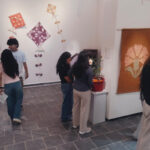
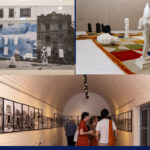
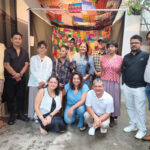

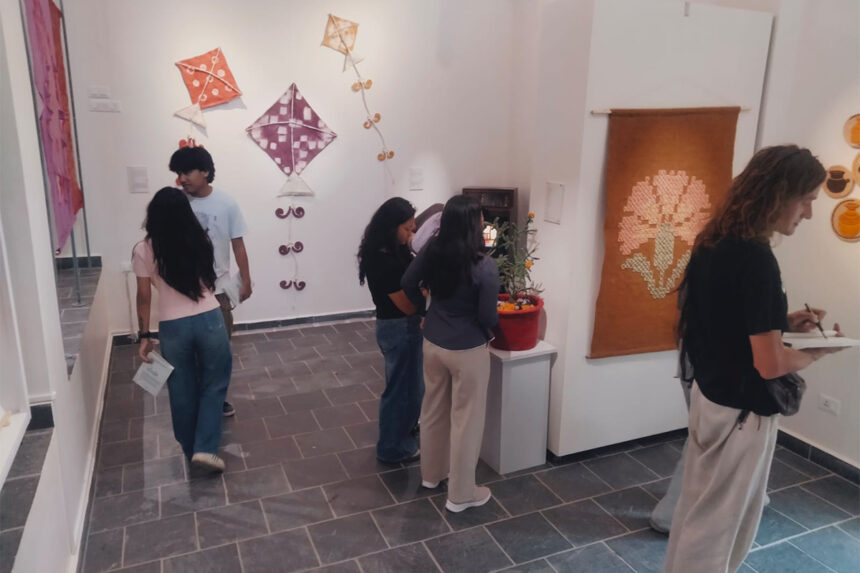
Within the ever-changing landscape of the Kathmandu Valley, a young art space has recently found its place in Dallu. “Sarbashrestha Gallery” is hosting an exhibition of works by eight artists, from emerging talents to established practitioners, running from 21 August to 20 September. Working primarily with felt, the artists revisit fragments of Nepal’s cultural heritage—from Mithila motifs and traditional vessels to kites, bamboo weaving, Newar folklore, and Himalayan traditions. Familiar forms acquire new character through texture and contemporary interpretation, offering a graceful reflection on how the past may be given fresh meaning in the present.
This approach connects closely with FELT this way, a women-led felt goods company in Nepal that combines craft heritage with contemporary design while supporting skill development, communities, and sustainable, plastic-free alternatives. It also reflects the Bachelor of Craft and Design at KU, which connects indigenous craft traditions with modern technology and design through hands-on practice.
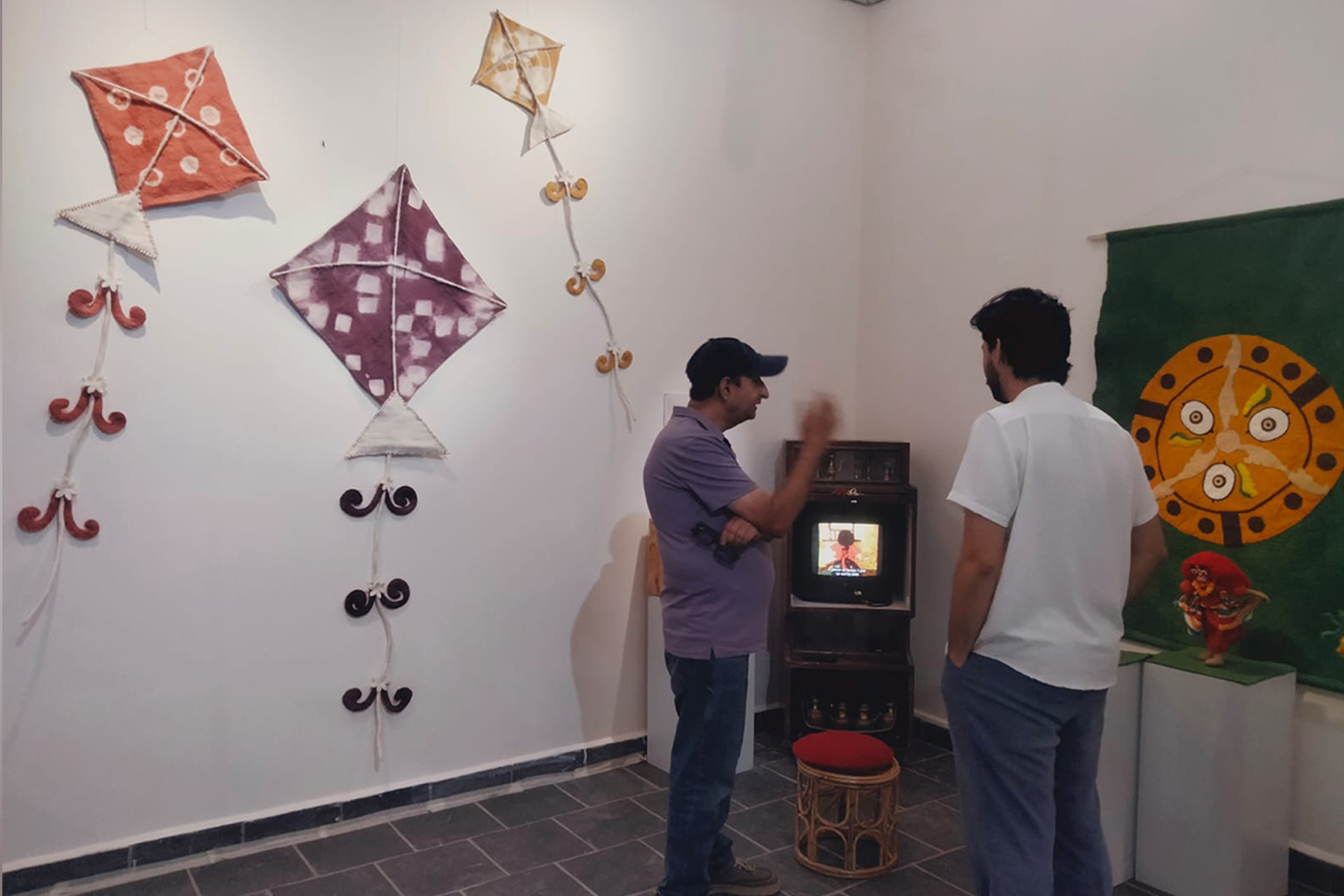
Shared Skies–Always a Dashain and Godna bring together personal memory and Mithila tradition. The first recalls the childhood experience of making kites with a brother, while the second transforms traditional protective tattoos into a felt tapestry. Through these works, Sapana Sanjeevani explores nostalgia, heritage, and cultural identity. The delicate treatment is meaningful, while experimenting with different thread weights or relief heights could give the line work greater impact from a distance.
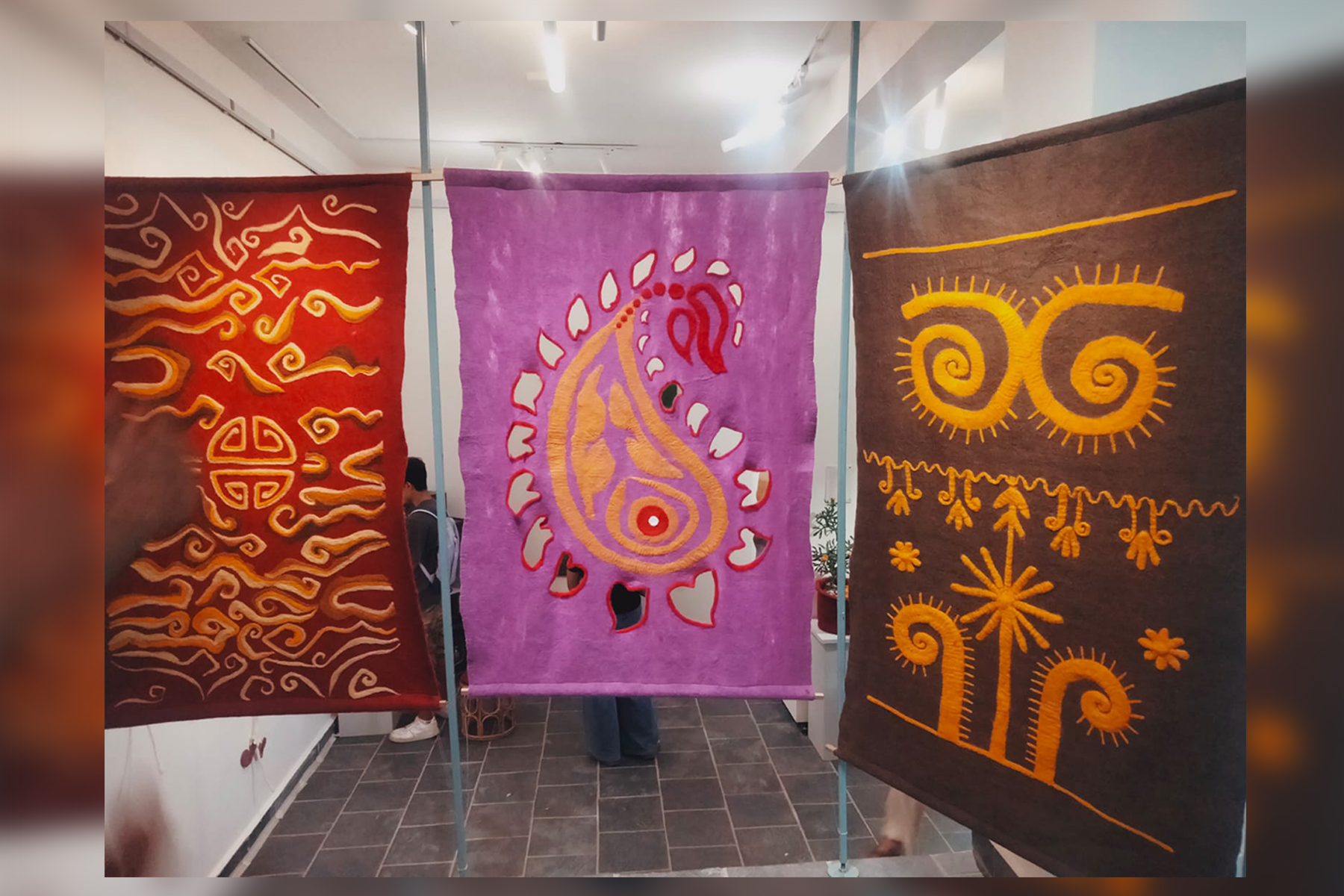
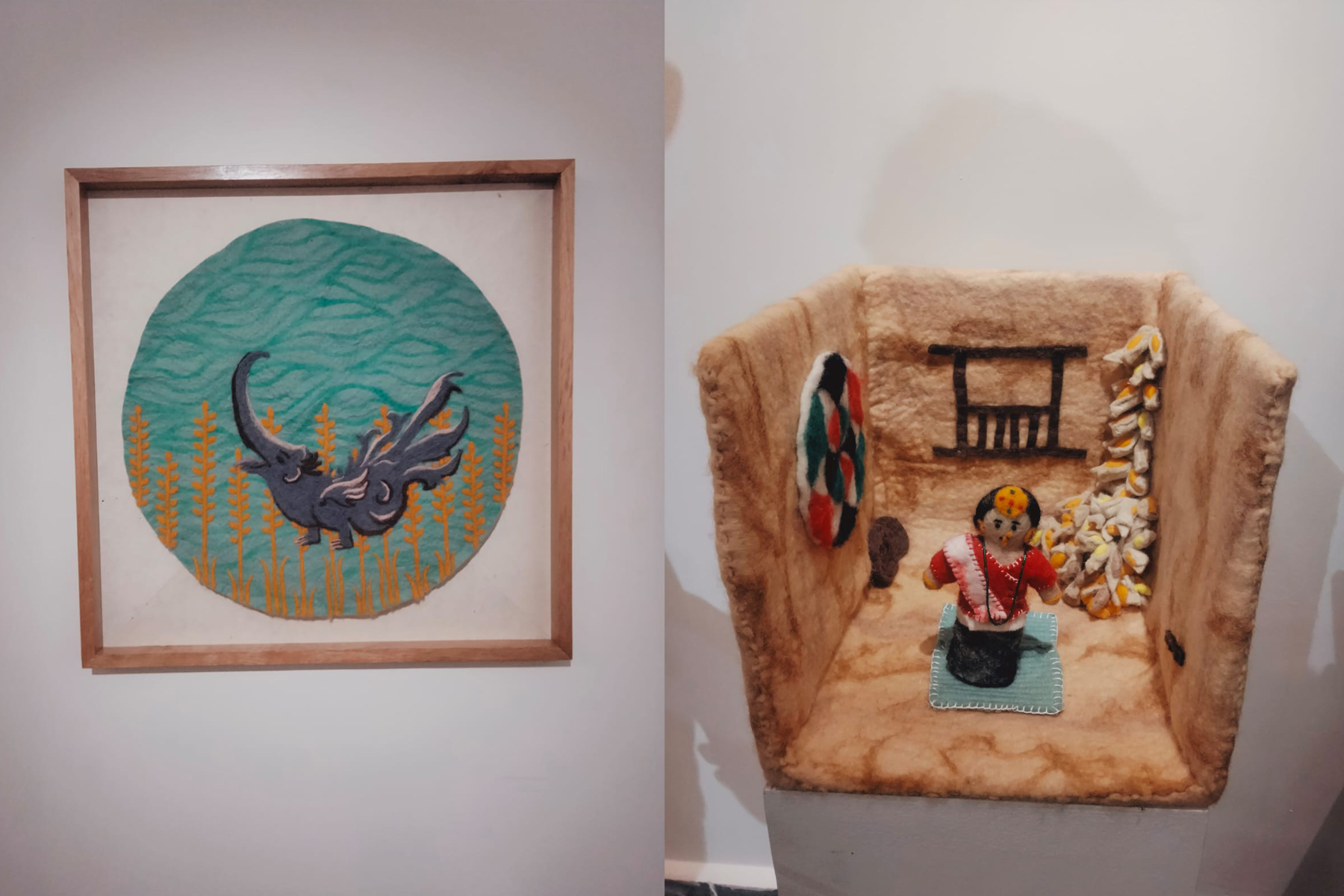
Harsha ko Barsha and Buta reinterpret elements of Nepal’s cultural heritage through the mythical Makara and the Paisley motif. Connecting heritage, nature, and everyday life, Saphal Shrestha uses vibrant colour and cultural imagery with creativity. Cleaner edges around the negative cut-out shapes in Buta could further strengthen its graphic clarity.
Vessels of Identity and Karuwa Motif transform traditional water pots and the ceremonial Karuwa into contemporary felt works. Through these familiar cultural objects, Prabha Napit creates a thoughtful exploration of identity and heritage. Subtle tonal variations or shadow effects could enhance the vessels’ three-dimensional quality.
The Lhachang’s First Braid and Mantra of the Winds draw on Himalayan traditions, personal memory, and spirituality. Inspired by the snow leopard, Chuba robes, prayers, and motherhood, the works explore protection, memory, and cultural connection. Sonam Lhamu Tamang creates expressive fibre forms, while stronger background contrast could help the central figures stand out more clearly.
Before I Was Born and In Between transform family memories and overlooked everyday objects into personal visual narratives. Drawing on household memories, porcupine spikes, and traditional adornment, Persis Rai creates works that feel intimate and thoughtful. Greater variation in the repeating yellow motifs could make their texture more visually engaging.
The Embrace and Pixel Bloom explore comfort, nostalgia, and the idea of home through playful textile forms. Falling marigolds and a pixelated interpretation of the flower create a lively dialogue between organic and digital imagery. Rajshree Shrestha brings an imaginative and distinctive approach, while stronger contrast between neighbouring pixels could enhance the digital effect.
Khambuni and Buneko samjhana ( Woven Nostalgia) connect ancestral memory with contemporary felt practice. Referencing the cholo and fariya alongside traditional bamboo-weaving patterns, Neelam Rai creates a creative dialogue between clothing, craft, and memory. Refining the smaller figurative details could bring greater polish to the works.
Giving Chase and The Watching Wheel draw from the vibrant traditions of Indra Jatra and Rato Machhindranath Jatra. Through childhood memories, spirituality, and living Newar traditions, Sumanita Bajracharya creates lively and expressive felt narratives. More dynamic poses in Giving Chase could further strengthen its sense of movement.
In the international sector regarding felt art Claudy Jongstra is an acclaimed Dutch textile artist known for her large-scale, hand-felted wool installations and deep commitment to nature and sustainability. Through her use of wool and natural dyes cultivated from traditional botanical plants, her practice brings an international perspective to the exhibition’s exploration of felt, nature, and sustainability, while offering inspiration for Nepali artists to engage with local materials, ecological knowledge, and sustainable practices.
The exhibition shows that felt is more than a material—it can carry memories, traditions, and cultural stories into the present. By bringing ancestral craftsmanship together with contemporary design, the artists show that tradition can continue to change while remaining connected to its roots.

Leave A Comment