


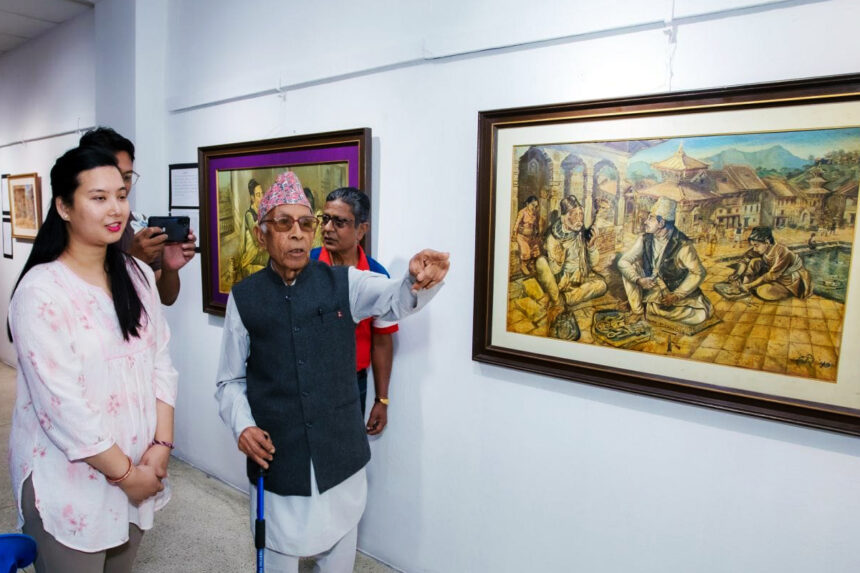
Have you ever closed your eyes and tried to drift back in time – to the age when Nepal was a tapestry of kingdoms and dreams, when the grandeur of Kantipur (The ancient soul of Kathmandu, Bhaktapur, and Patan) flourished beneath the golden sun? Can you imagine the regal lives of the Malla kings, wrapped in silks and secrets, or the sacred elegance of King Prithvi Narayan Shah’s wedding, echoing with chants, jewels, and history’s breath?
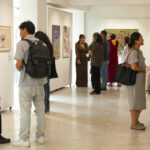
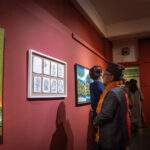
To feel this forgotten era pulse once more, step in to the Nepal Art Council, Babarmahal, from the 23rd to the 31st of May. There, the timeless vision of veteran artist Hari Prasad Sharma unfolds in a soul-stirring solo exhibition.
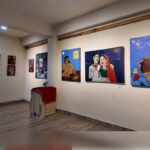
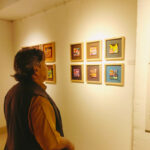
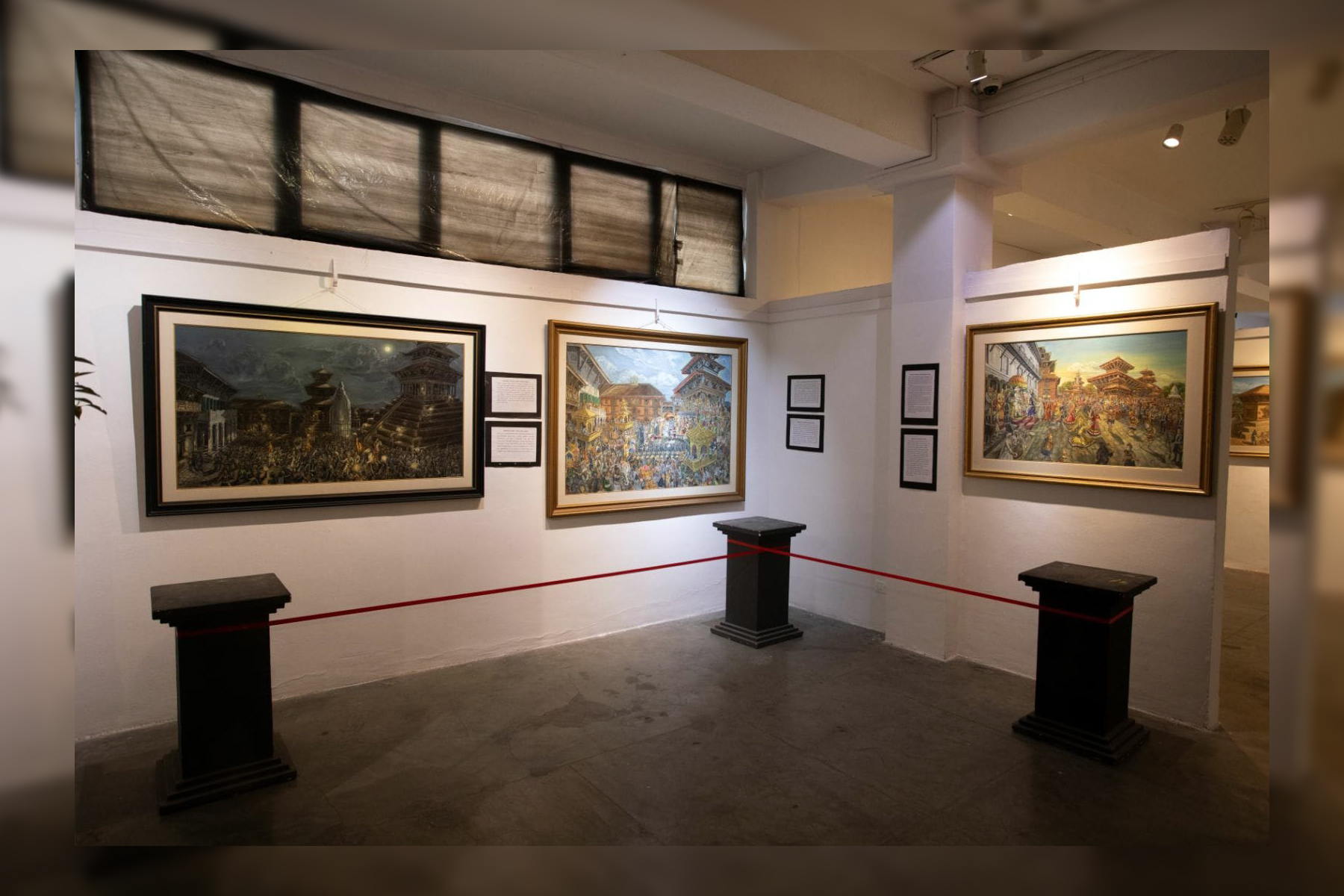
Each painting is not just a scene-it is a whisper from the past. Hung with reverence, each canvas is accompanied by eloquent descriptions in both Nepali and English, drawing you into the story as though you were walking those cobbled paths yourself. The hues are not just colors—they are the memories. The light and shadow are not mere technique-they are emotion captured with the delicate, deliberate mastery of an artist who paints not just with his brush, but with his heart.
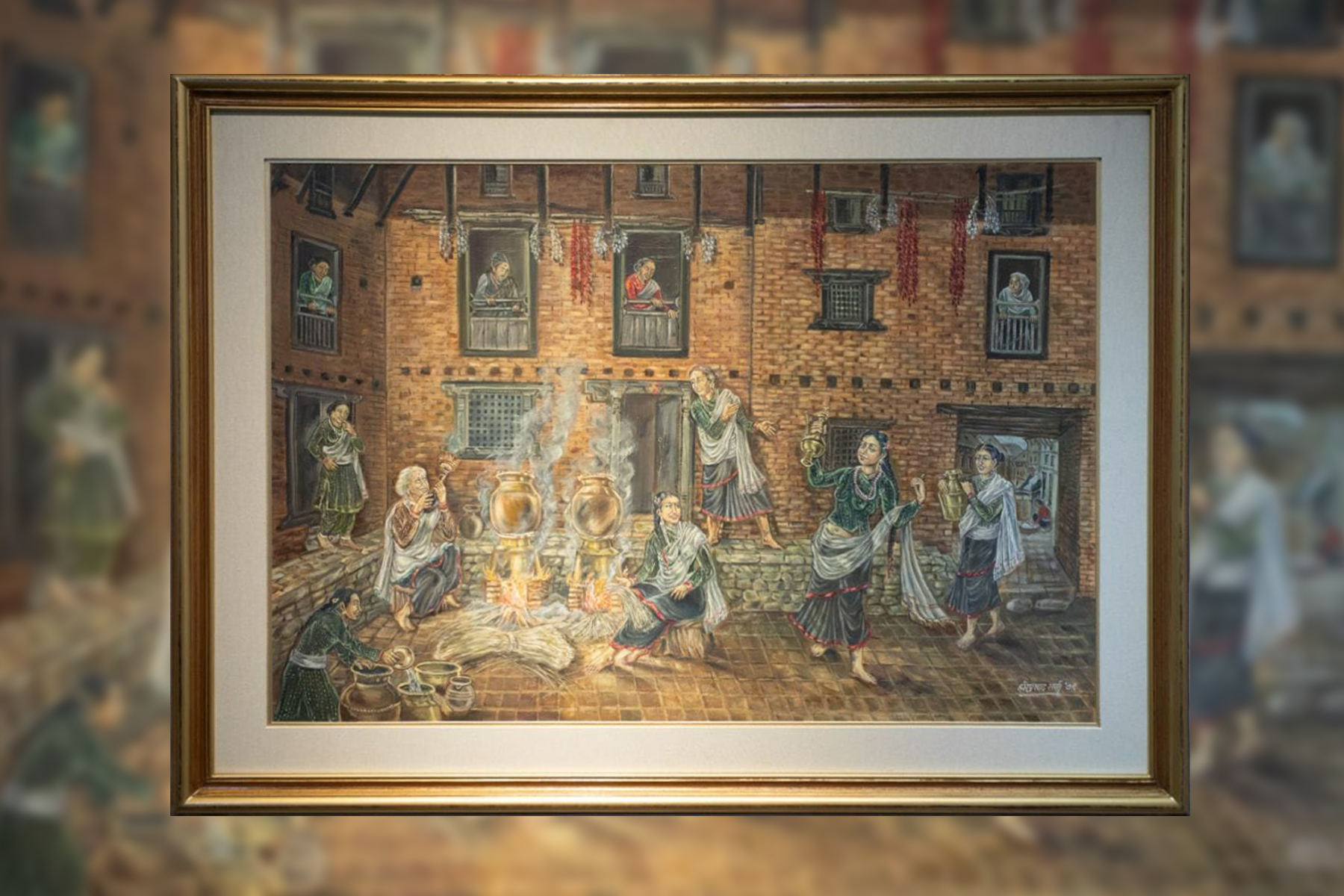
This is not just an exhibition-it is a portal. Come. Let your spirit wander where history breathes.
A few years ago, when the team from Khojpatra stepped into the quiet, paint-scented sanctuary of the artist’s home, he shared a truth that lingered in the air like a prayer: “I try to touch the canvas every day. And on the days I cannot, I feel weaker.”
These were the words of Hari Prasad Sharma, now 88-a living testament to devotion, still weaving history and soul into every stroke, every pigment, every silence between the brush and the canvas.
Each painting he creates is more than just a work of art-it is a breathing fragment of time, a tender resurrection of Nepal’s golden past. Viewers don’t just observe these paintings; they are gently drawn into them, as if stepping through a delicate veil into another century. Every stroke is a doorway, every shadow a memory, every color a song from the past-and in this exhibition, time surrenders to beauty.
Beside him on this remarkable journey stands his son, Professor Bishnu Prasad Sharma, not just a supporter, but a quiet force of love and inspiration. Despite the demands of his own academic life, he walks beside his father through sacred historical grounds, capturing forgotten monuments through the lens, reading aloud the voices of long-gone historians, bringing fuel to the fire of his father’s vision.
The result? A gallery filled with living poetry on canvas-fragments of forgotten Nepal, revived through the hands of an elder artist and the heart of his devoted son. This exhibition is not just a display-it is a legacy, pulsing with life, memory, and a love that defies time. Most of his masterpieces are timeless treasures-not meant for sale. Yet, for those who wish to carry a piece of his soul home, delicate paper prints are available during the exhibition.
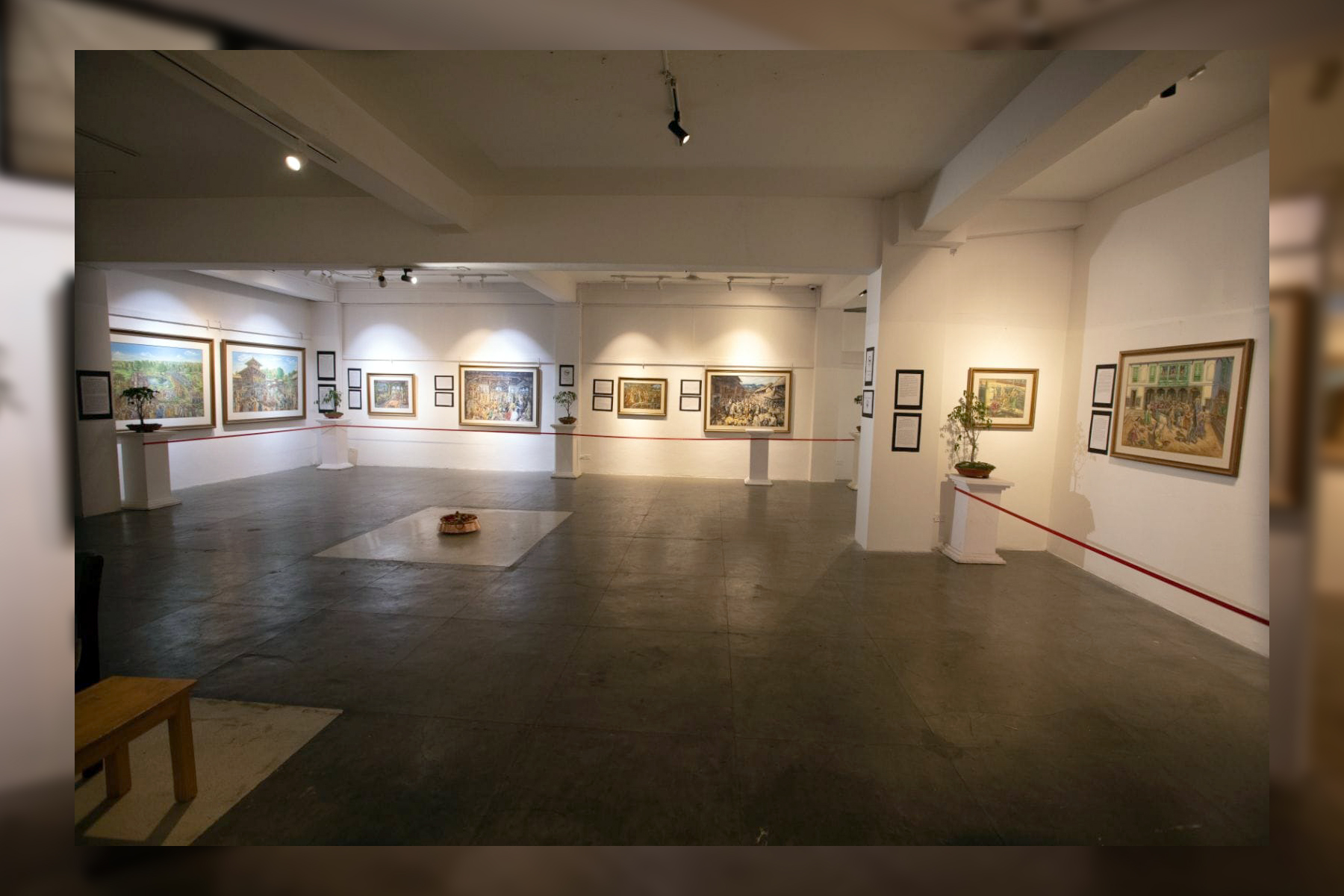
His color palette stands apart-rich, moody, and haunting. One can feel echoes of Rembrandt in the way he dances with light and shadow, evoking emotion in every corner of the canvas.
The artist’s son, though a professor of Economics, carries a historian’s heart. His deep curiosity breathes life into works like the re-imagined ancient Ranipokhari, depicted in a way that makes today’s version seem like a faded echo. Equally striking is the moonlit siege of Kantipur by Prithvi Narayan Shah-so vivid, one can almost feel the torch flames flicker and the full moon shimmer in the painted night.
Each painting is not just art-it is a portal. A moment frozen in time, brought to life with such grace, you feel as though you’re standing within the history itself. It is the mood – those unspoken emotions, the silent whispers of time-that breathe through each of his paintings. They do not just portray-they feel. They carry the weight of sorrow, pride, wonder, and nostalgia in every brushstroke.
One of the visitors, Raj Shrestha, stood quietly before a canvas and shared with awe, “I am truly flabbergasted by his work. Each painting, along with its description, teaches something profound. These masterpieces deserve to be seen more often-especially by the younger generation, so they can truly understand where we come from.”
The exhibition continues until 31st May, a brief window into eternity. And if fortune favors, you may even meet the maestro himself-Hari Prasad Sharma-between 3 to 5 PM, gently seated among his creations, his eyes still burning with the same fire that lights up every piece of his timeless world.

Leave A Comment