
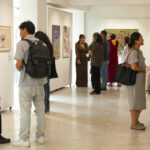
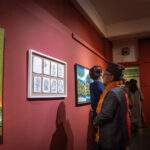
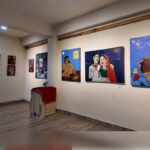
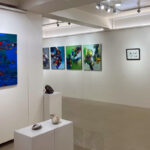
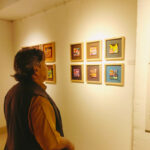

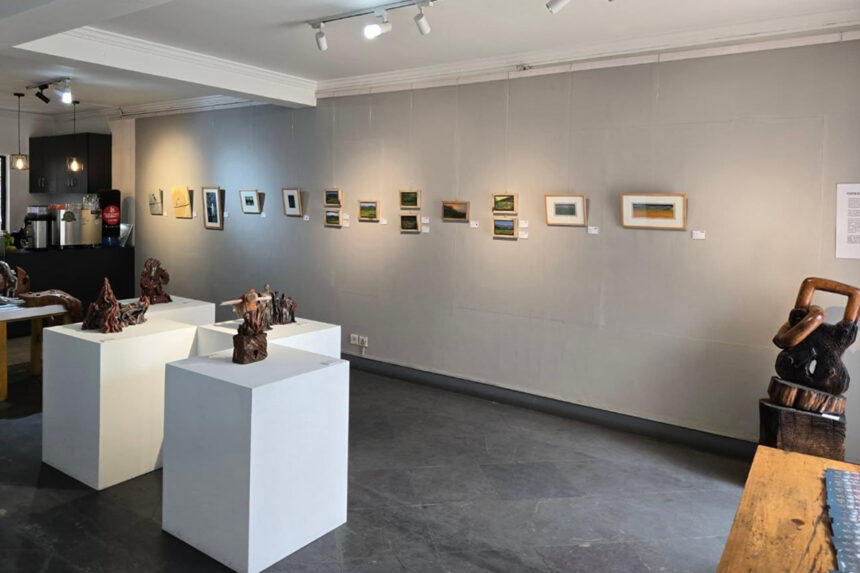
This exhibition at Music Art Gallery beautifully presents a rich diversity of artistic expression, showcasing the creativity, perspectives, and individuality of 13 talented artists from different backgrounds. Through painting, sculpture, and printmaking, each artist brings forward unique interpretations of nature, culture, memory, identity, emotions, and social realities. Their works capture everything from peaceful landscapes, traditional heritage, and the beauty of everyday life to surreal visions, urban struggles, and personal journeys of self-discovery. Each artwork carries a deeper meaning, inviting viewers to reflect on human emotions, cultural roots, and the changing world around them. Together, this group exhibition becomes a captivating celebration of imagination, diversity, and the endless power of artistic expression.
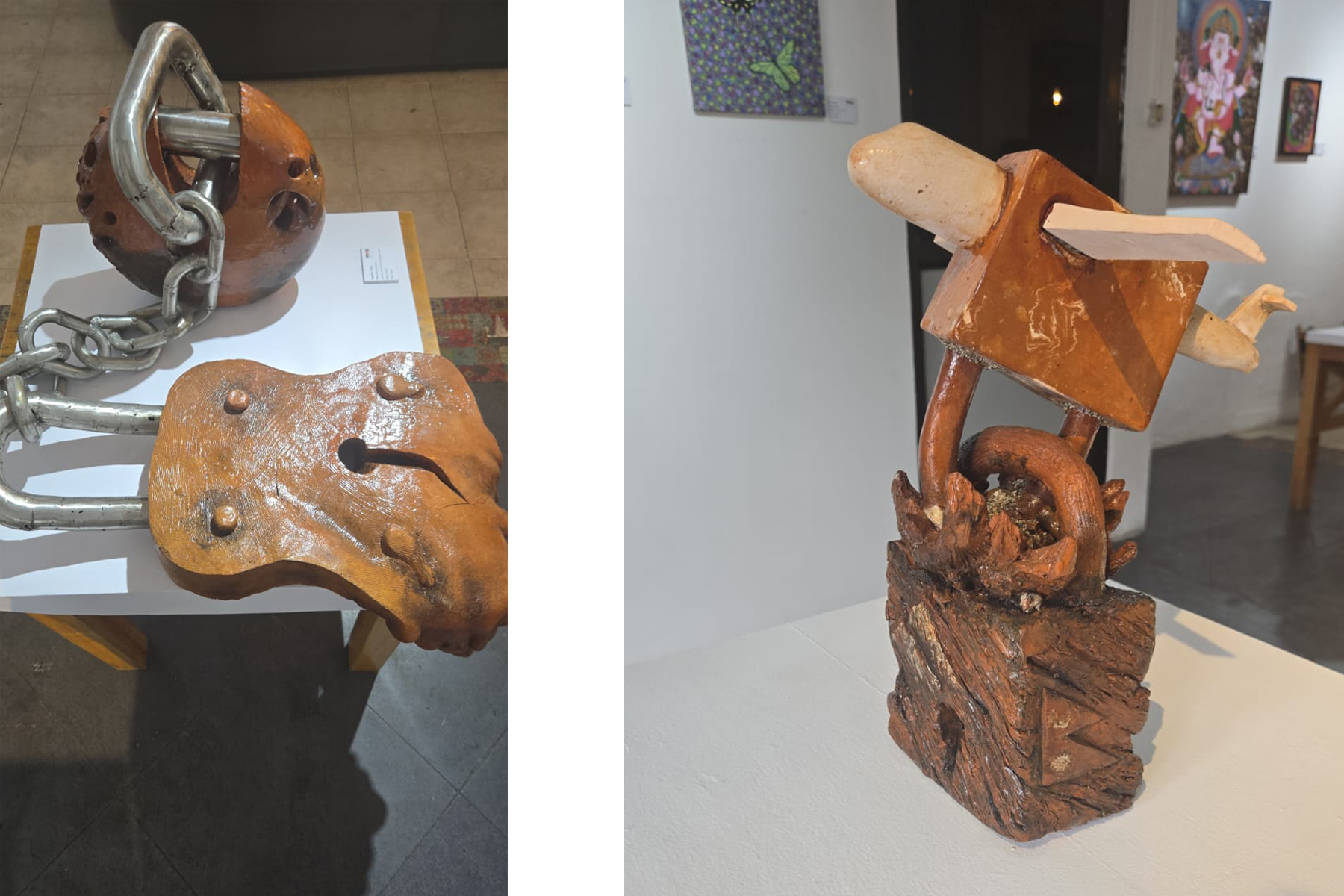
Before exploring the individual artists and their works, it is important to understand that each piece in this exhibition reflects personal stories, emotions, and perspectives. Through painting, printmaking, sculpture, and abstraction, the artists express memories, identity, social issues, and inner emotions. Their diverse styles and backgrounds make the exhibition a powerful representation of creativity, reflection, and human connection.
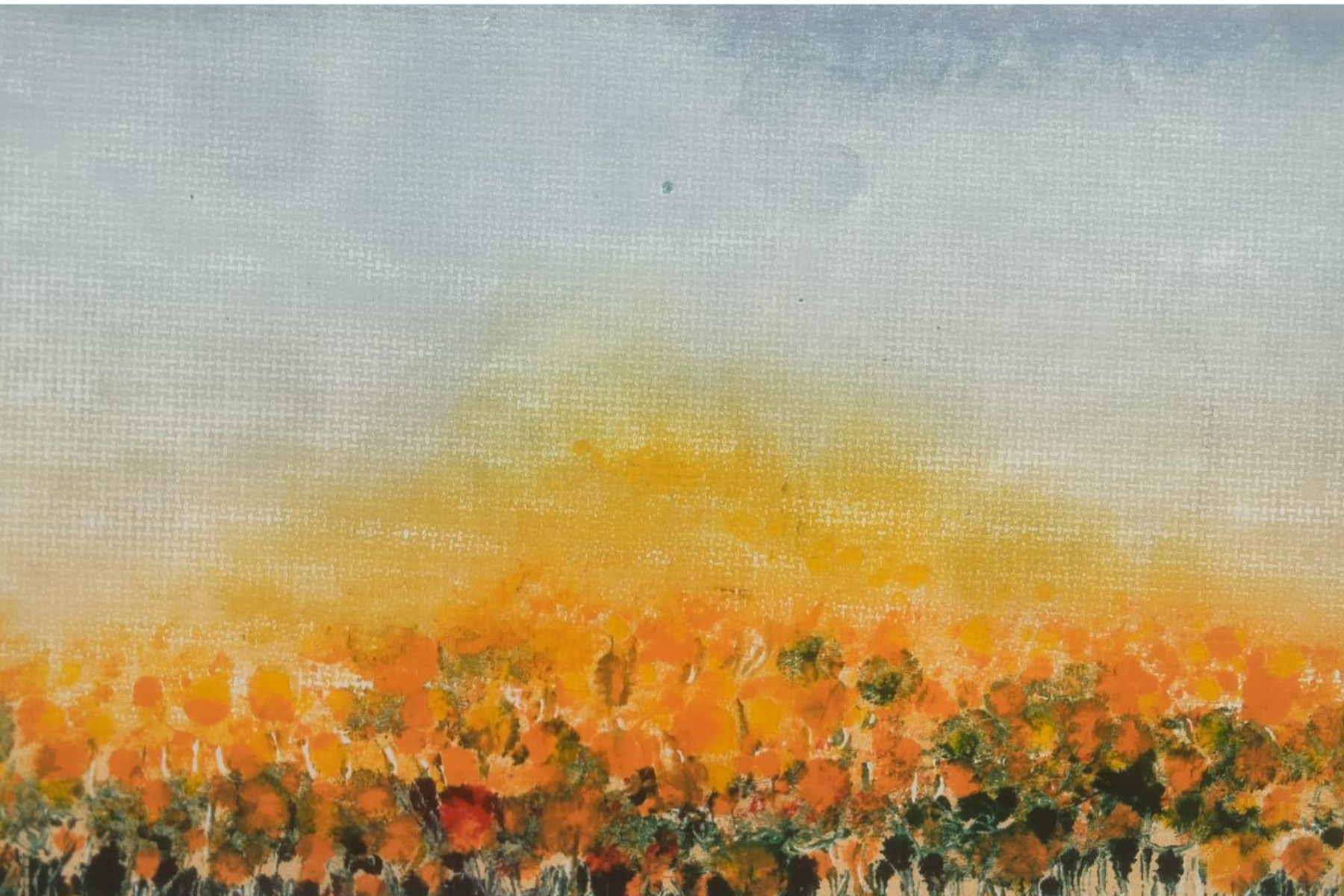
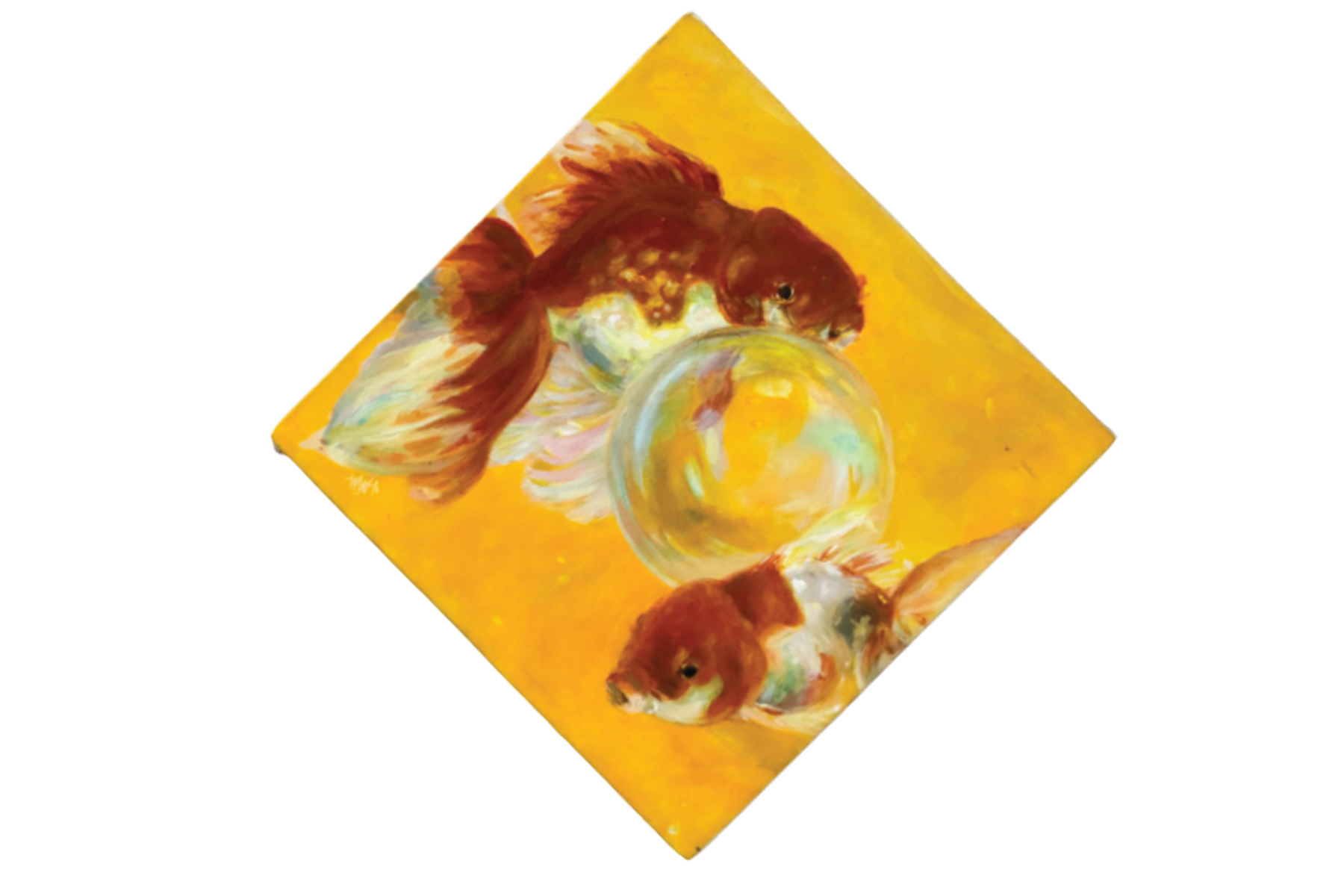
Aman Tuladhar’s painting explores the idea of “taking every thought captive,” presenting the mind as a spiritual battlefield where unguarded thoughts can lead to inner conflict. He uses bubbles as symbols of joy, peace, and emotional protection, emphasizing the importance of safeguarding the heart both emotionally and spiritually. Inspired by an empty aquarium at home where mosquitoes bred, he reflects on prevention, perspective, and the need for emotional awareness. Deepa Khanal’s printmaking is shaped by homesickness and nostalgia after moving to Kathmandu for higher studies. Missing the vibrant greenery and warmth of her hometown, she transforms childhood memories of flourishing fields and farming seasons into visual expressions. Her work preserves personal history and reflects her deep emotional attachment to memory, nature, and the comfort of home.
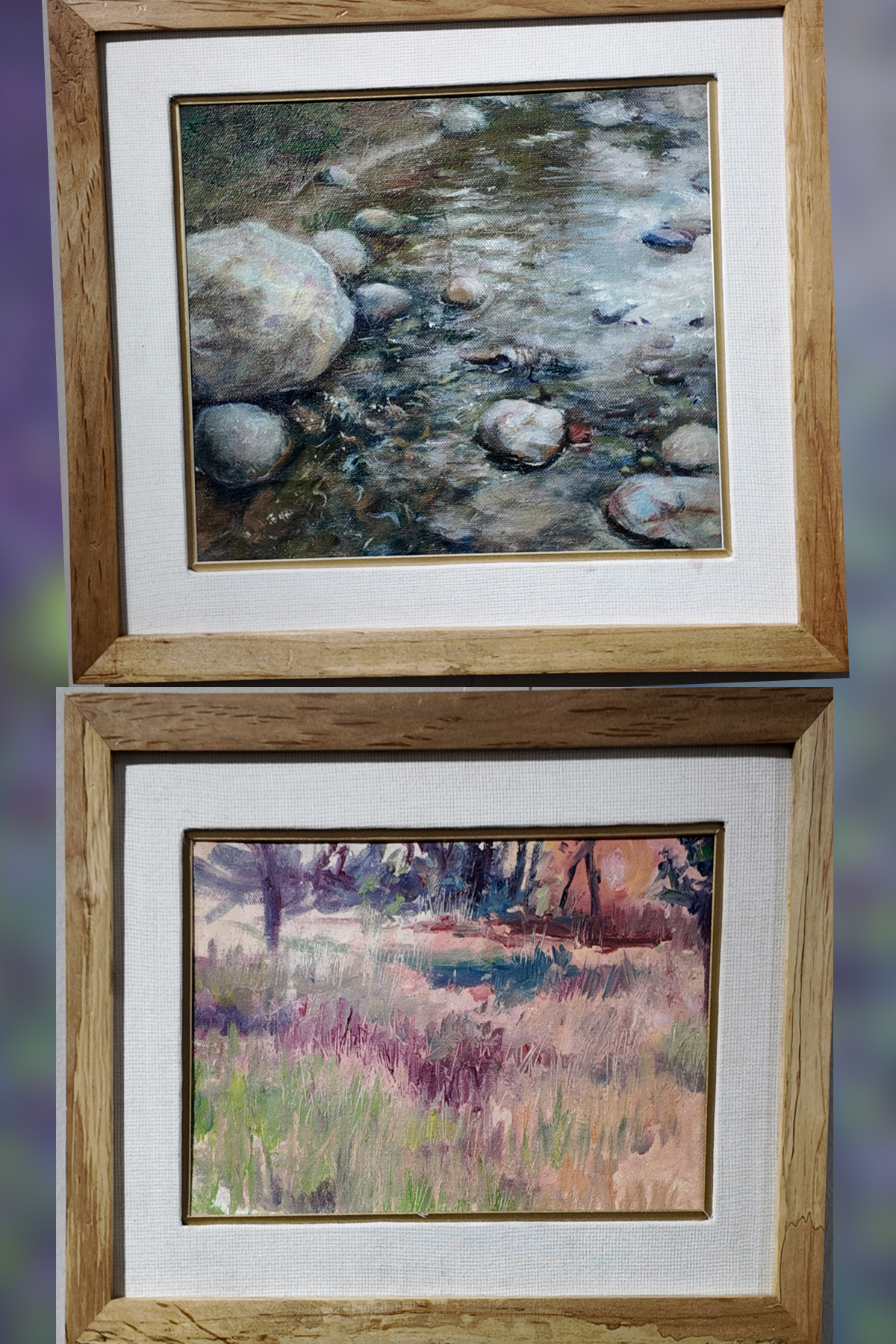
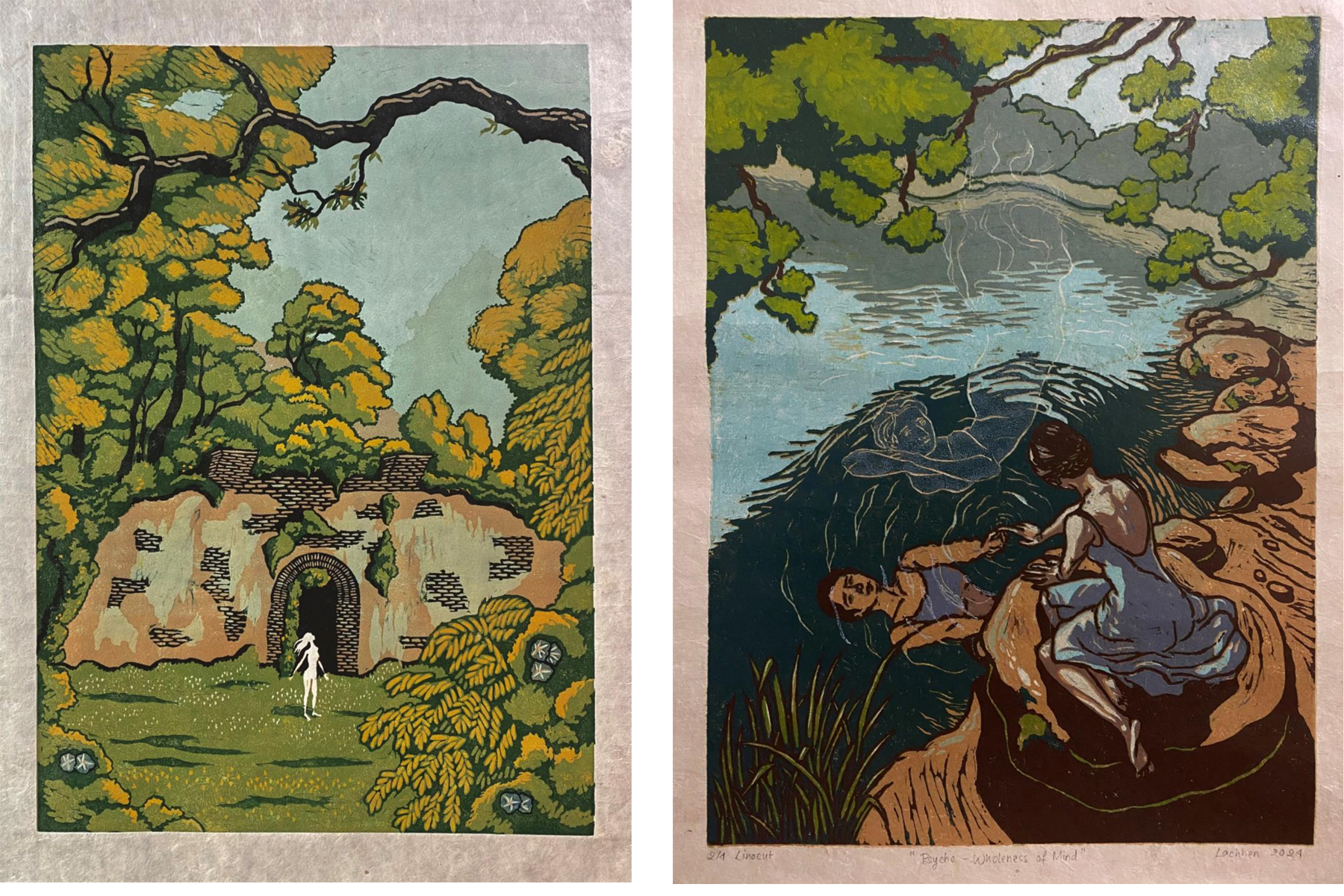
Dikshya Chamling Rai combines abstraction and realism to explore nature, memory, and emotion. Her work captures subtle moments in nature, where light, water, and stone symbolize the silent passage of time. Through these quiet observations, she encourages viewers to pause, reflect, and appreciate the overlooked beauty of stillness in an increasingly fast-moving world. Lachhen Nyarten Tamang uses printmaking as a journey of self-discovery and emotional expression. Her art functions as a bridge between her inner world and the audience, transforming personal experiences into relatable visual narratives. Her work reflects vulnerability, growth, and the ongoing search for identity and meaning within oneself.
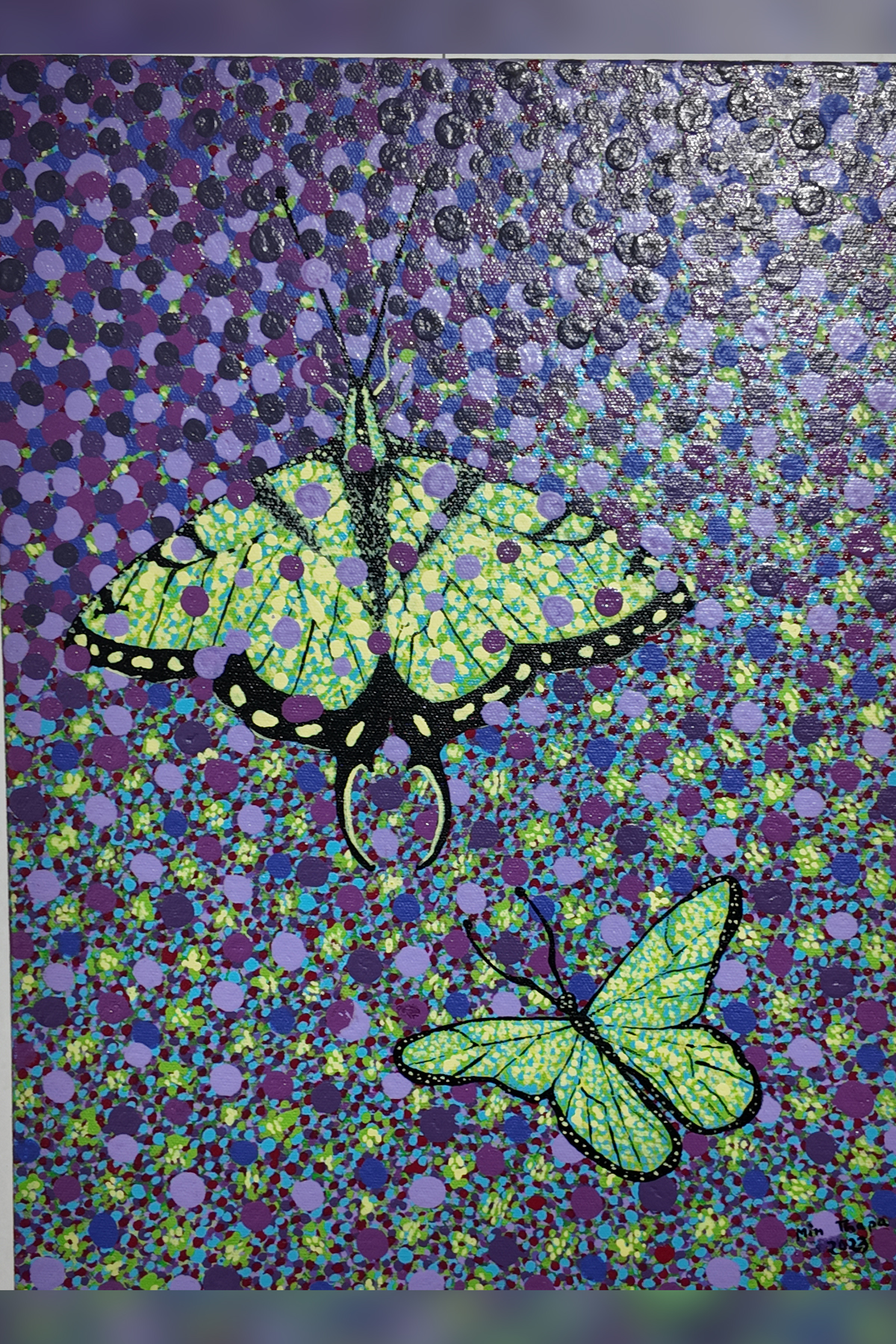
Min Thapa’s work examines the fading of rural culture, barren landscapes, and the emotional emptiness caused by migration. Through vibrant layered dots, he contrasts the richness of tradition with the harsh reality of abandonment and environmental decline. His art addresses displacement, cultural erosion, and the loss of belonging in modern society.
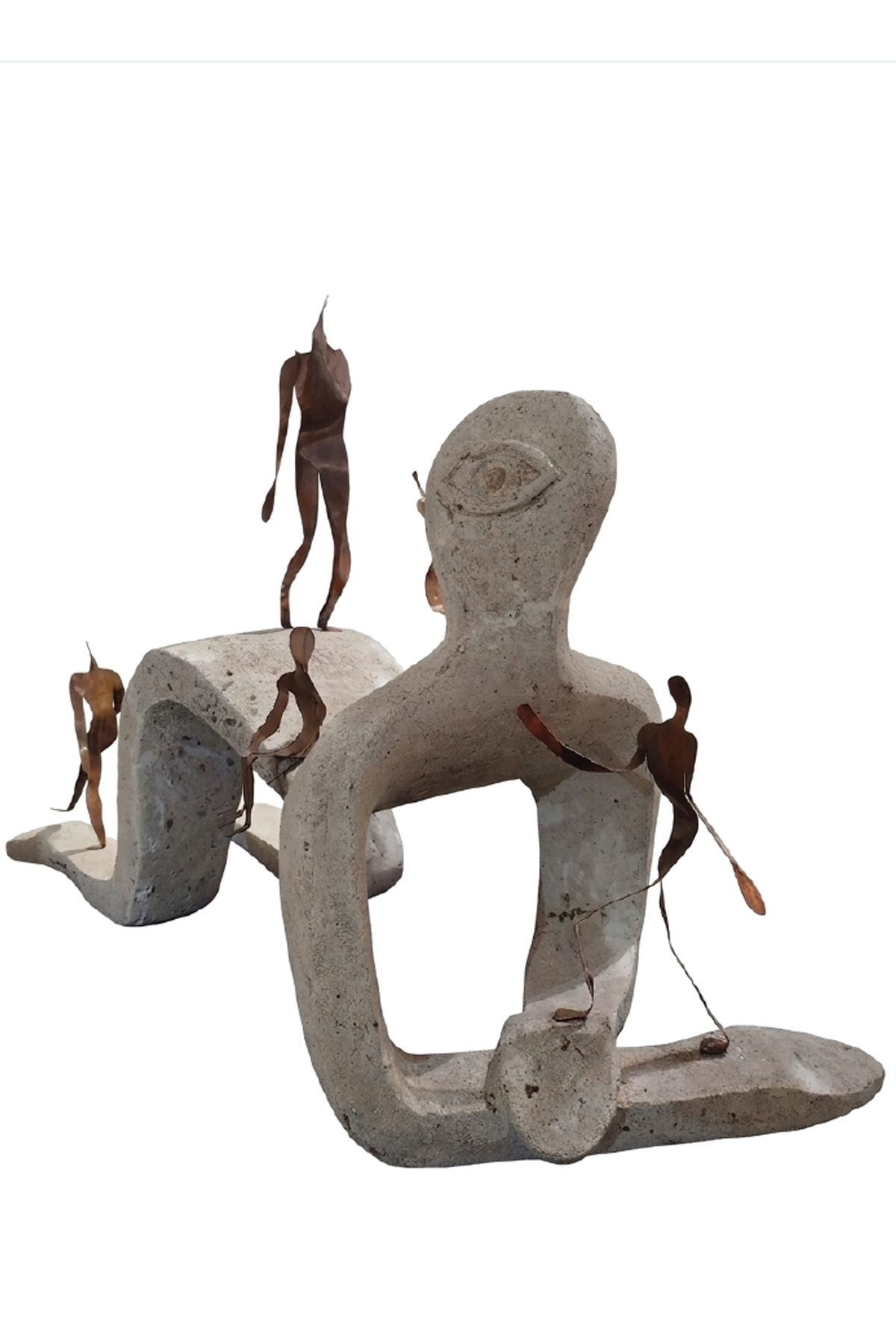
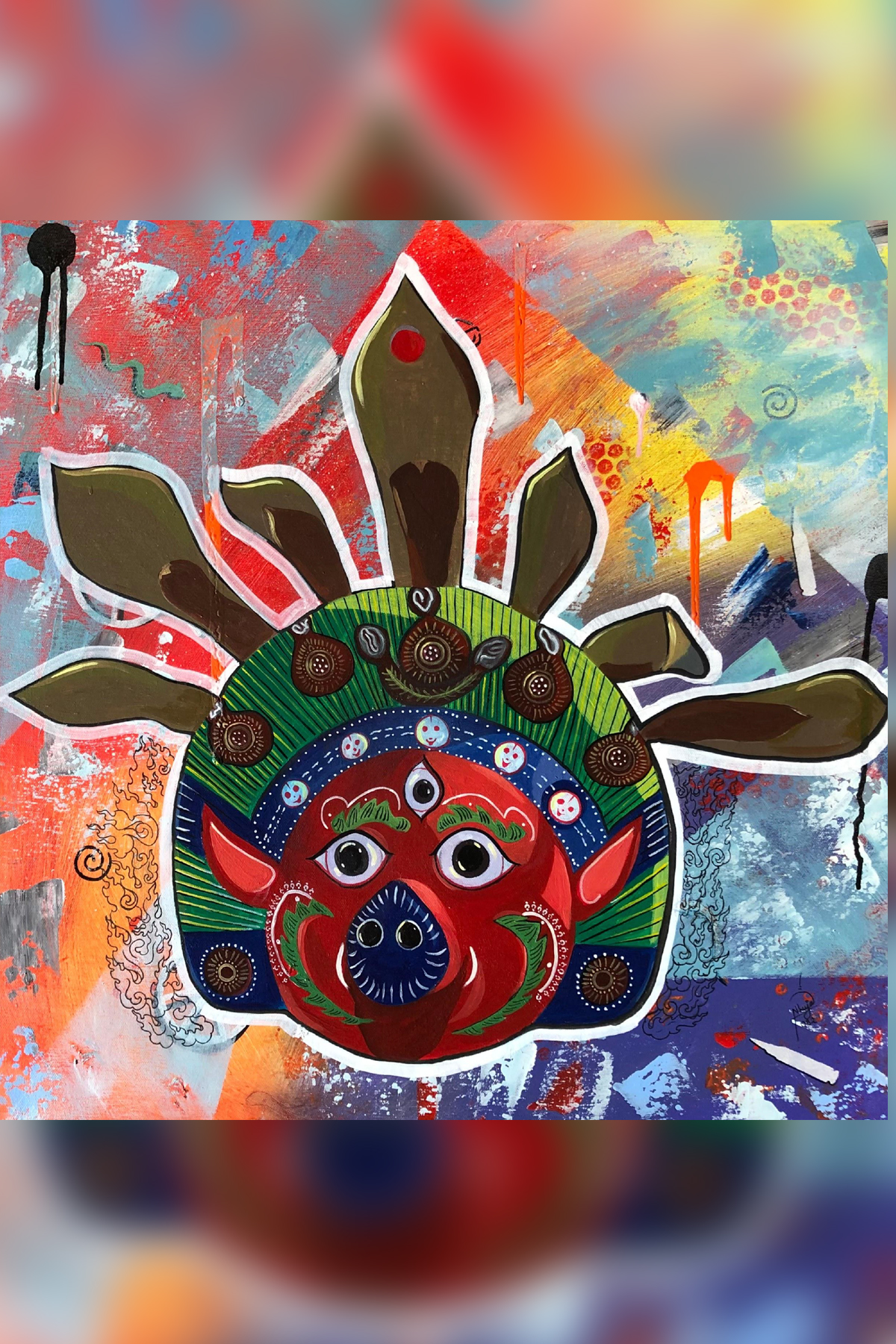
Pujan Khatiwada focuses primarily on sculpture, experimenting with diverse materials to understand how form and texture influence meaning. His work is also inspired by political experiences witnessed during his student life. Rather than offering direct answers, his sculptures provoke reflection and critical thinking about politics, society, and personal discovery. Dipendra Thapa’s surrealist sculptures explore hidden emotions, subconscious thought, and dreamlike realities beyond ordinary life. By transforming simple materials into imaginative forms, he creates symbolic and thought-provoking works. His sculptures invite viewers to reflect on psychology, fantasy, and deeper human experiences. Nhuja Shrestha blends traditional religious painting with contemporary cultural exploration. From portraits of forgotten historical figures to goddess dance masks of the Kathmandu Valley, his work preserves memory and cultural identity. He reinterprets heritage through modern artistic expression, connecting spirituality, tradition, and self-exploration.
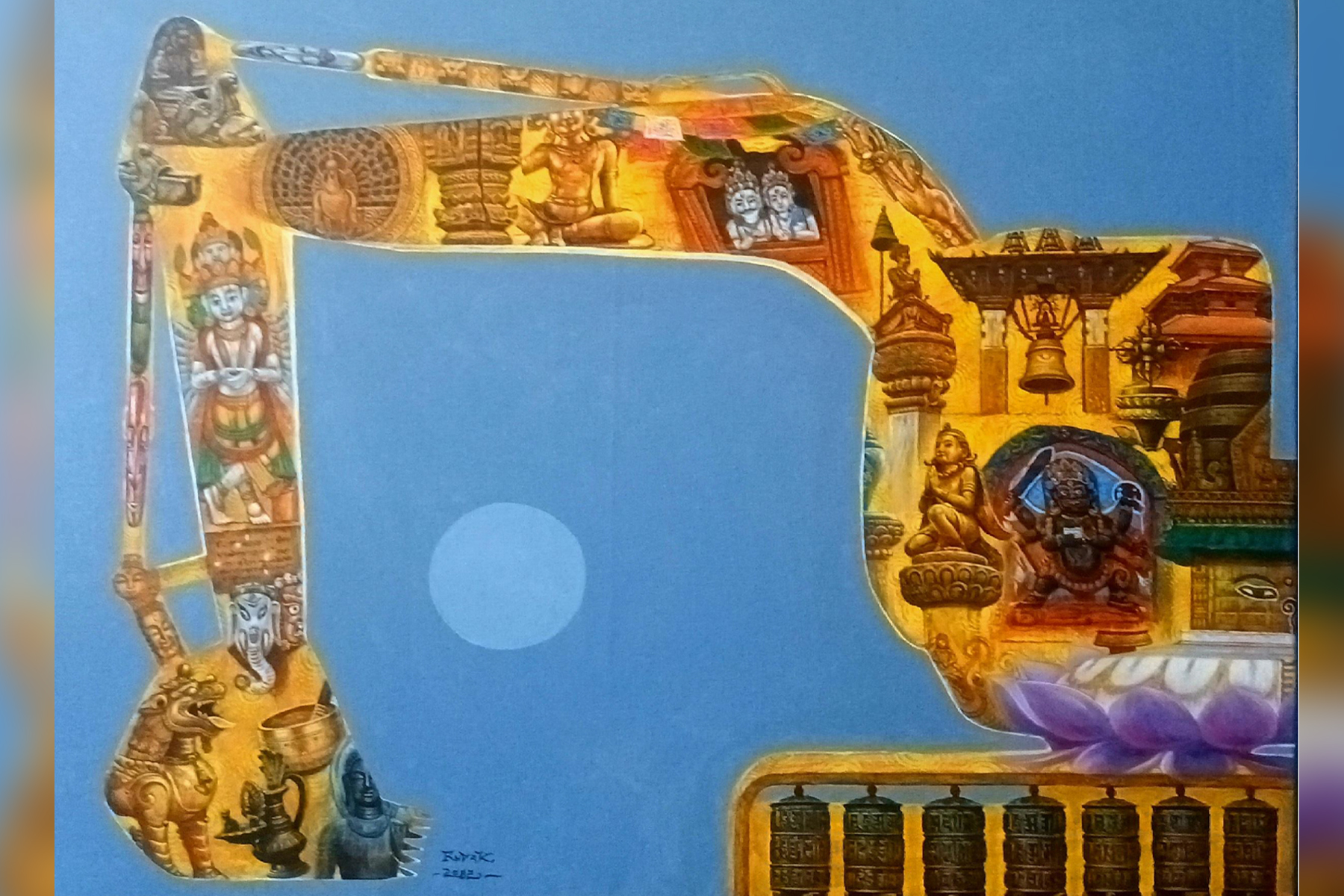
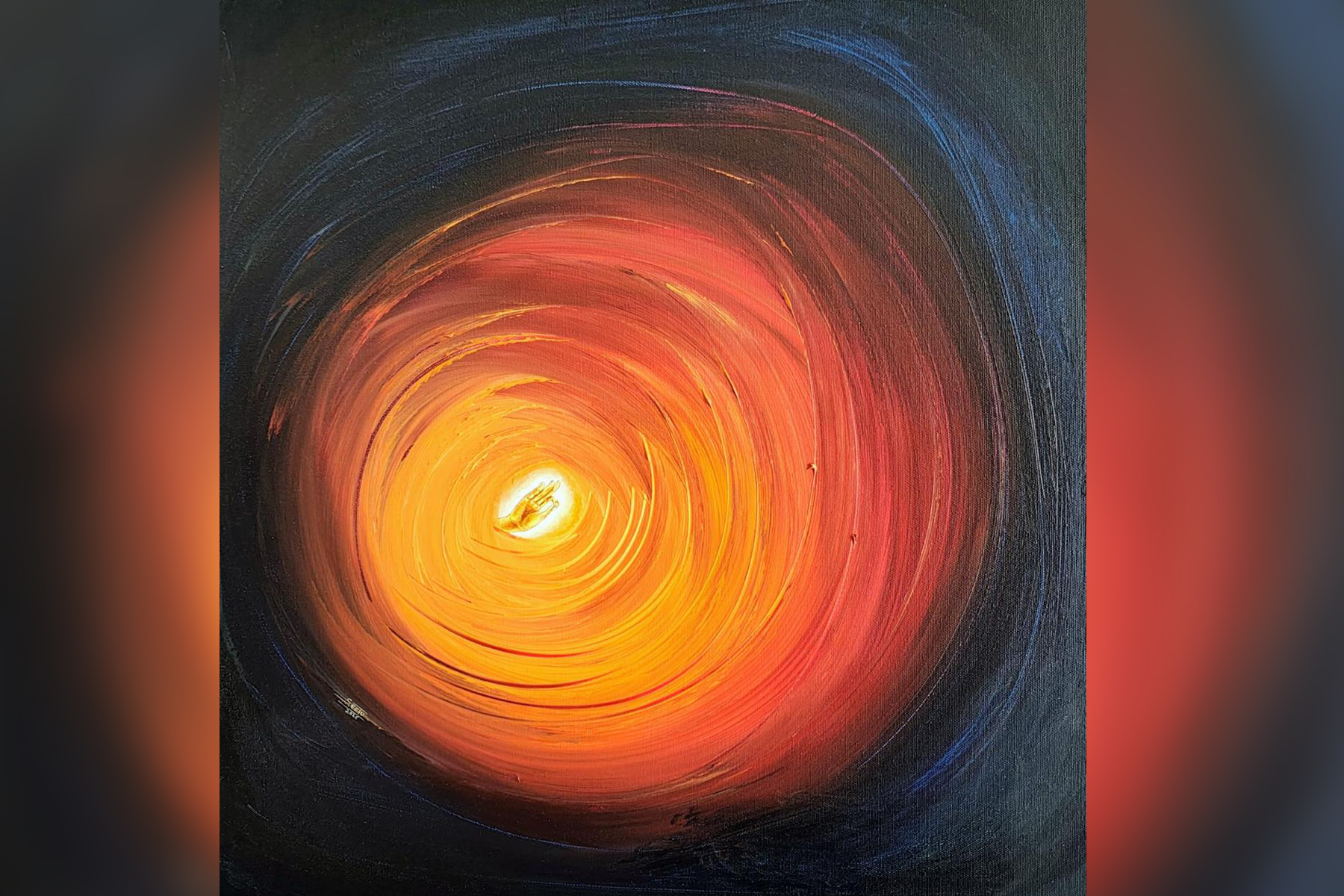
Rupak Rai’s art critiques modernization and its destruction of culture and tradition. In Excavation I, a crane symbolizes the removal of heritage by changing societal values. Inspired by Mustang’s preserved Tibetan culture and natural beauty, his work emphasizes authenticity, cultural preservation, and the relationship between nature and identity. Seetu Maskey’s paintings merge spirituality with contemporary art, expressing divine visions, inner emotions, and reflection. Her work seeks to connect the visible world with deeper spiritual meaning, creating visual experiences that balance personal introspection with sacred symbolism.
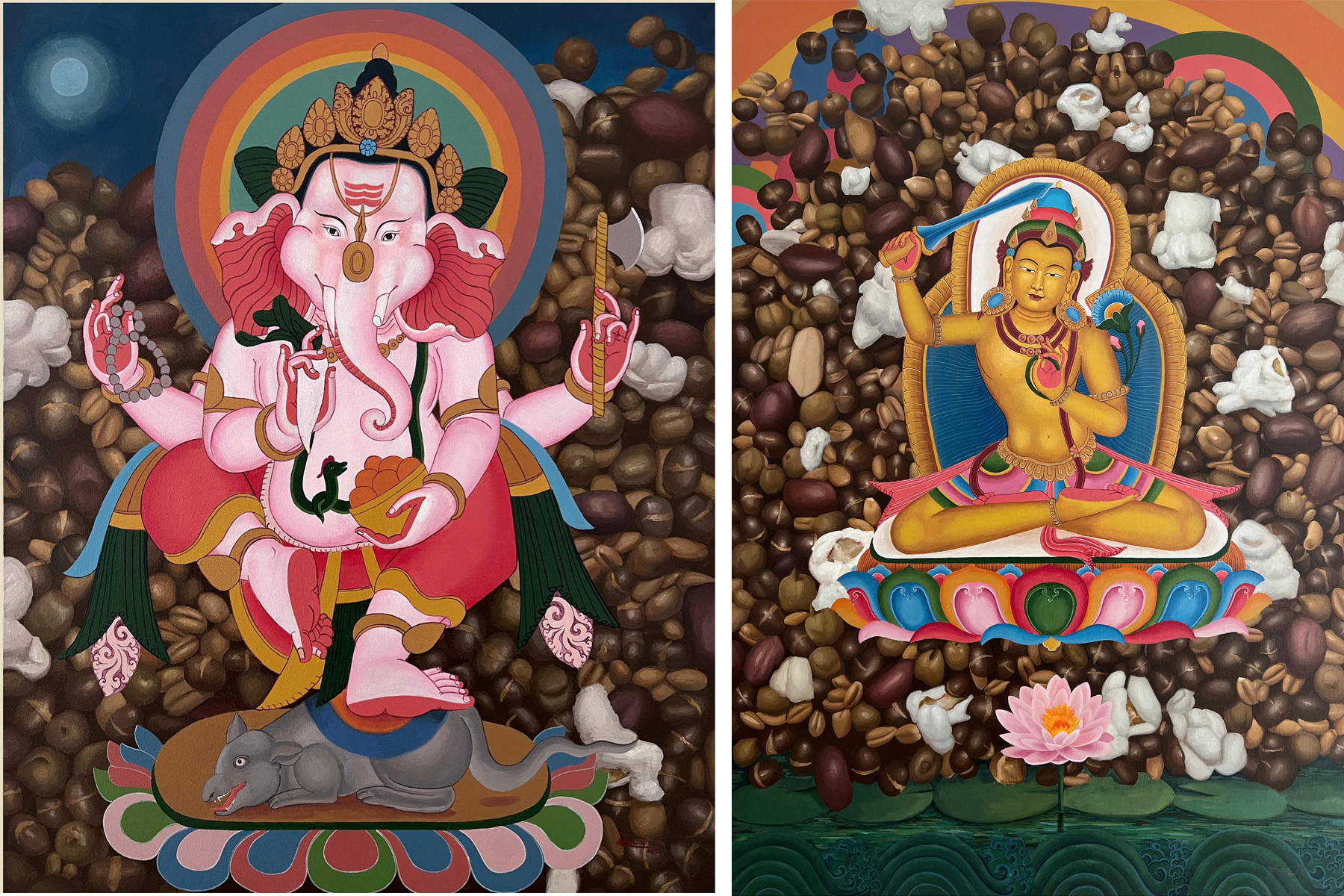
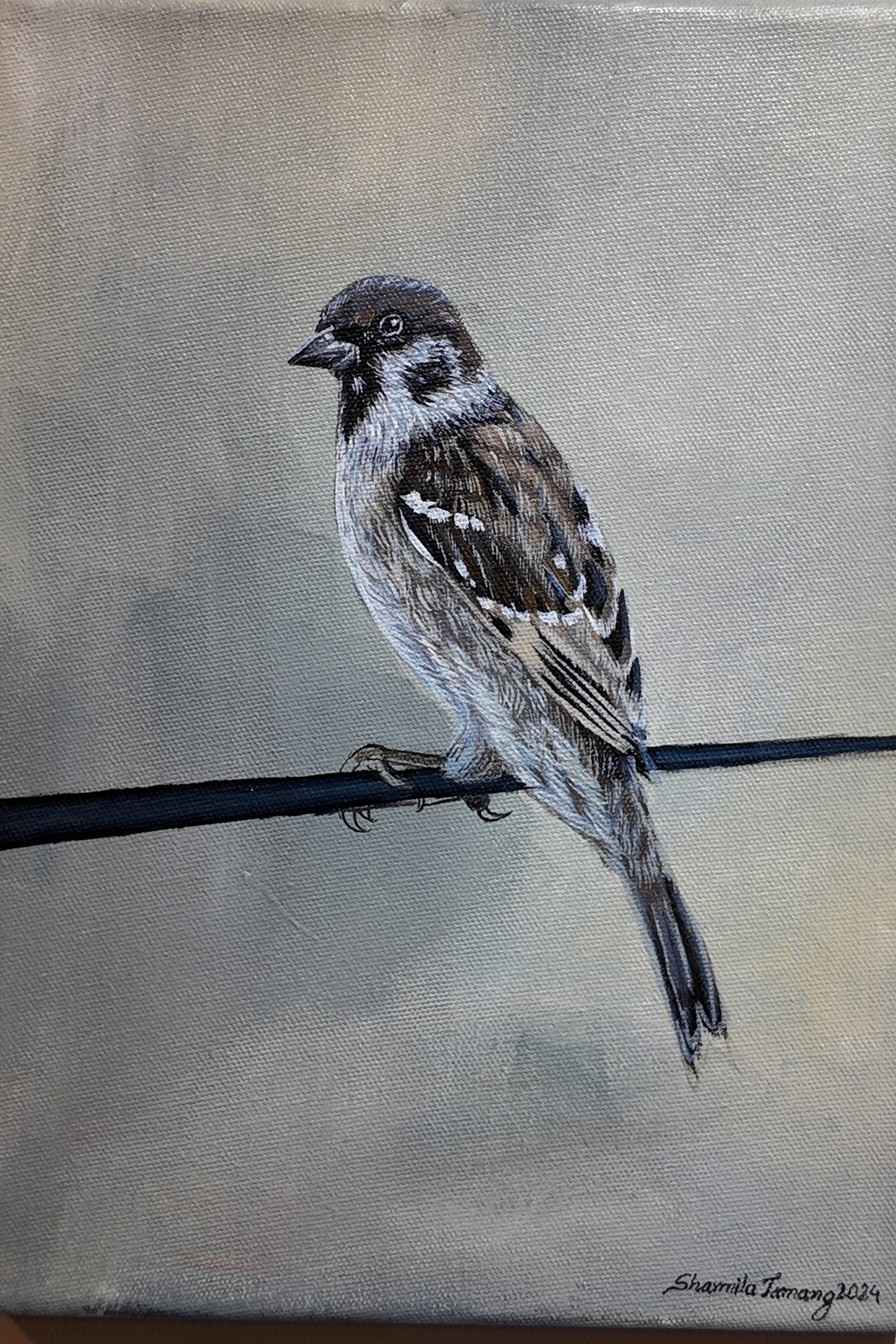
Sharmila Devi Tamang’s work focuses on birds in urban spaces, portraying their resilience and emotional presence among wires, poles, and walls. Through these images, she highlights coexistence between nature and urban development, emphasizing adaptability and the fragile balance between human-made environments and living creatures. Sujan Bir Bajracharya explores the relationship between food and culture, particularly within the Kathmandu Valley. Inspired by the story of Manjushree and traditional Newari cuisine, his work reflects how gastronomy preserves identity, history, and the coexistence of traditional and modern values.
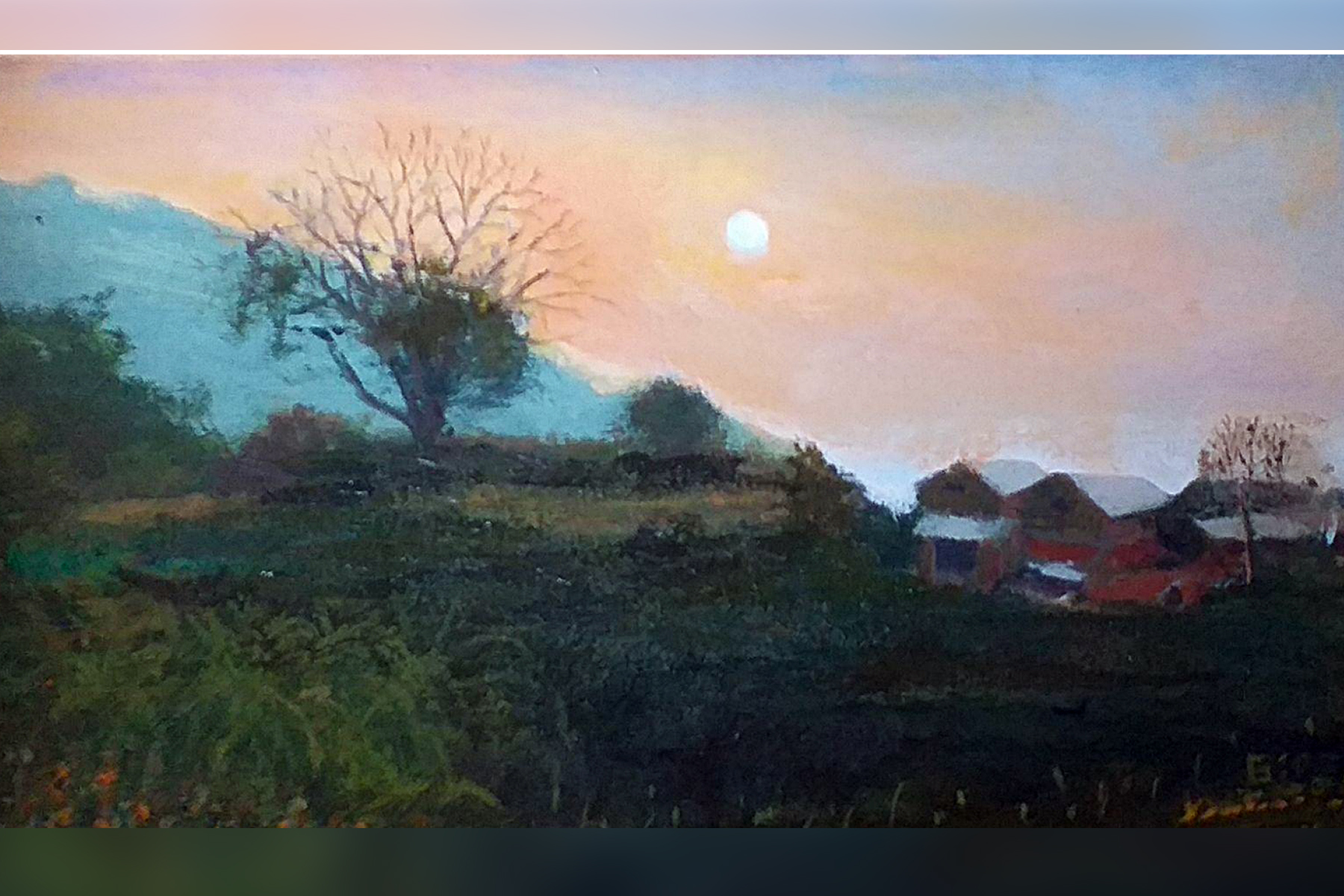
Yambang Thapa Magar’s Nostalgia series reflects his emotional connection to mountains, villages, and traditional landscapes. Inspired by places like Kirtipur and Chobhar, his paintings portray harmony between nature and human architecture, showing temples, rivers, and bridges as peaceful extensions of the environment rather than disruptions.
Curator Nhuja Shrestha describes nature as a “living force” that flows through the exhibition, where nature, culture, and memory intertwine to reflect identity and cultural memory. Music Art Gallery director Sagar KC adds that the show brings together thirteen contemporary artists, forming a space of dialogue that connects memory, identity, politics, spirituality, ecology, and cultural heritage.
Viewers have also noted that, as a showcase of young artists, the exhibition is significant for the growth of the country’s art scene. The collaboration of artists from diverse backgrounds highlights shared learning, skill development, and creative exchange. Overall, the exhibition explores memory, identity, culture, and change through varied styles and mediums. It contrasts preservation and transformation, with some works expressing nostalgia for fading traditions and rural life, while others respond to modernization, migration, and urban life. Nature represents emotional stability, while urban spaces reflect struggle and adaptation.
Artists also explore self-identity and emotion, blending personal and collective experience. The diversity of styles enriches the exhibition’s depth. In conclusion, it thoughtfully reflects how people navigate change while preserving meaning, capturing the complexity of contemporary life.

Leave A Comment