


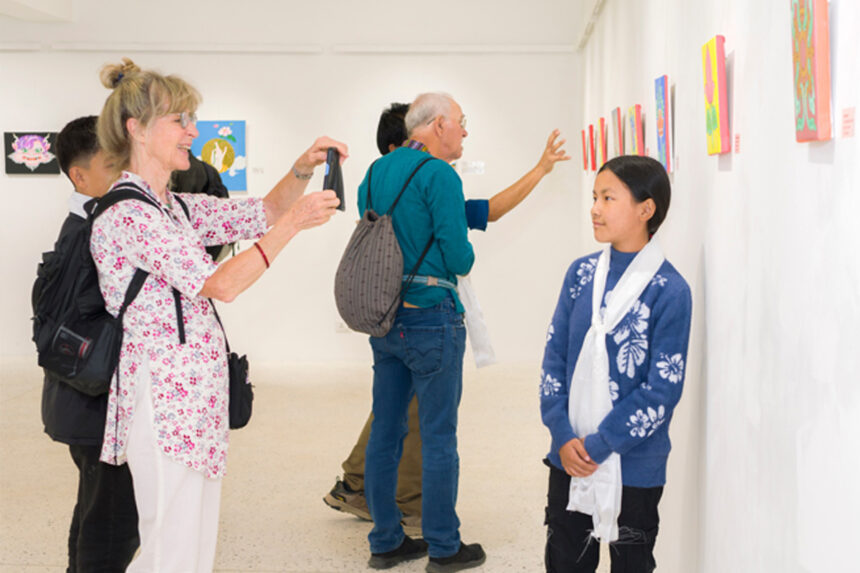
Have you ever wondered how the skilled hands that create intricate Thangka art would approach contemporary styles? These artists, masters of traditional techniques, bring a profound and unique form of expression to their work. Each piece reflects not only their exceptional skill but also a timeless artistry, making every creation a distinctive blend of tradition and personal touch.
Through a project by the Swiss Embassy, Takpa Gallery in Lazimpat took a unique approach to art initiatives. The project also taught Thanka to other artists who are interested in art. In the project the young students from age 10 above also participated for more than a year to learn the basic traits of Thanka. Such paintings done by young students are also being displayed in the exhibition. Artists participating in the project engaged in various creative activities, including a Residency and an exchange program. Contemporary young artists were encouraged to experiment with new themes and styles, sharing their techniques and insights with local students. During these exchanges, they also created a series of contemporary artworks, blending traditional influences with fresh perspectives.
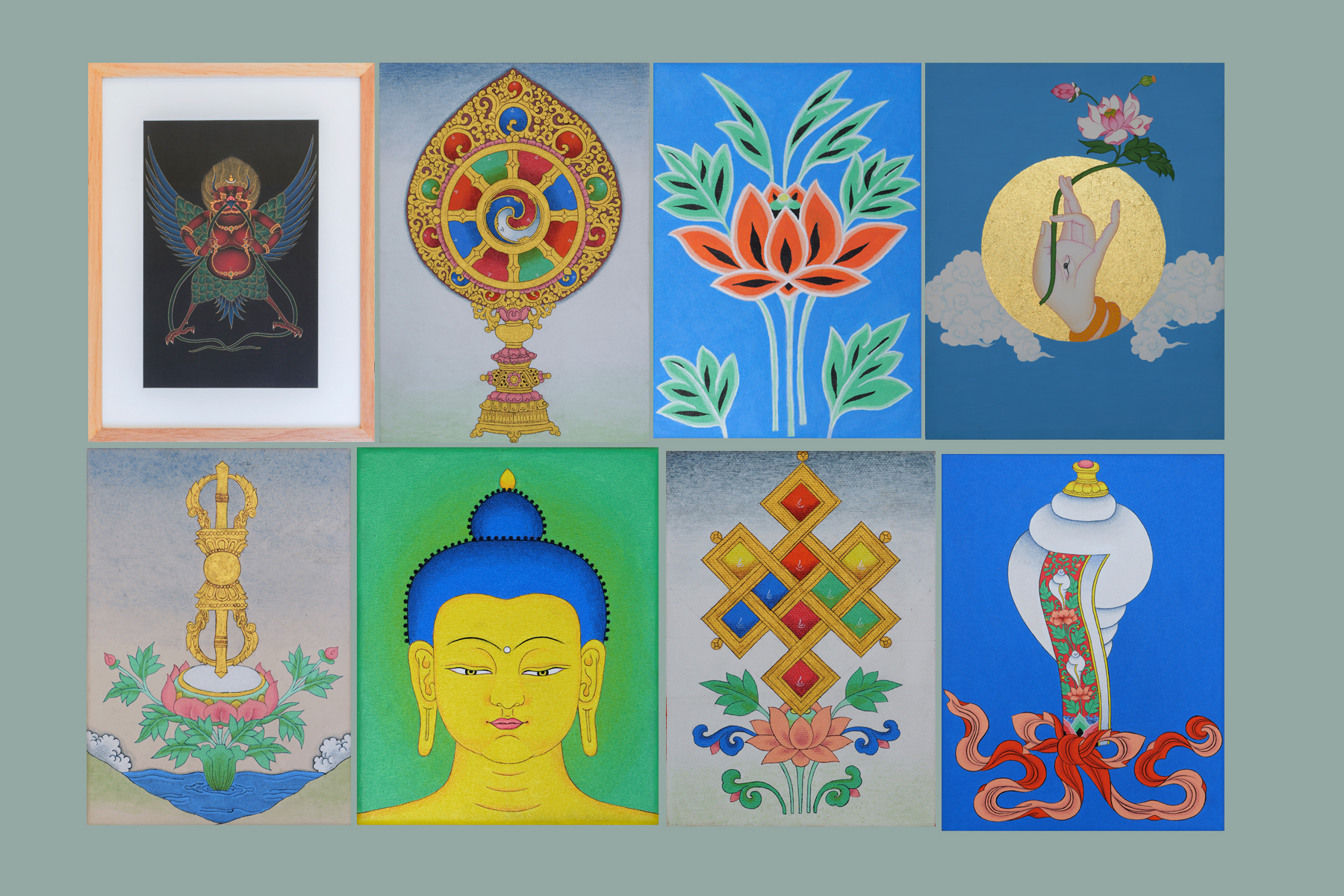
Similarly, artists specializing in traditional Thangka art also took part in the project. They had the opportunity to explore contemporary techniques and styles while also learning English. This experience broadened their skills and opened new avenues for creative expression and communication.
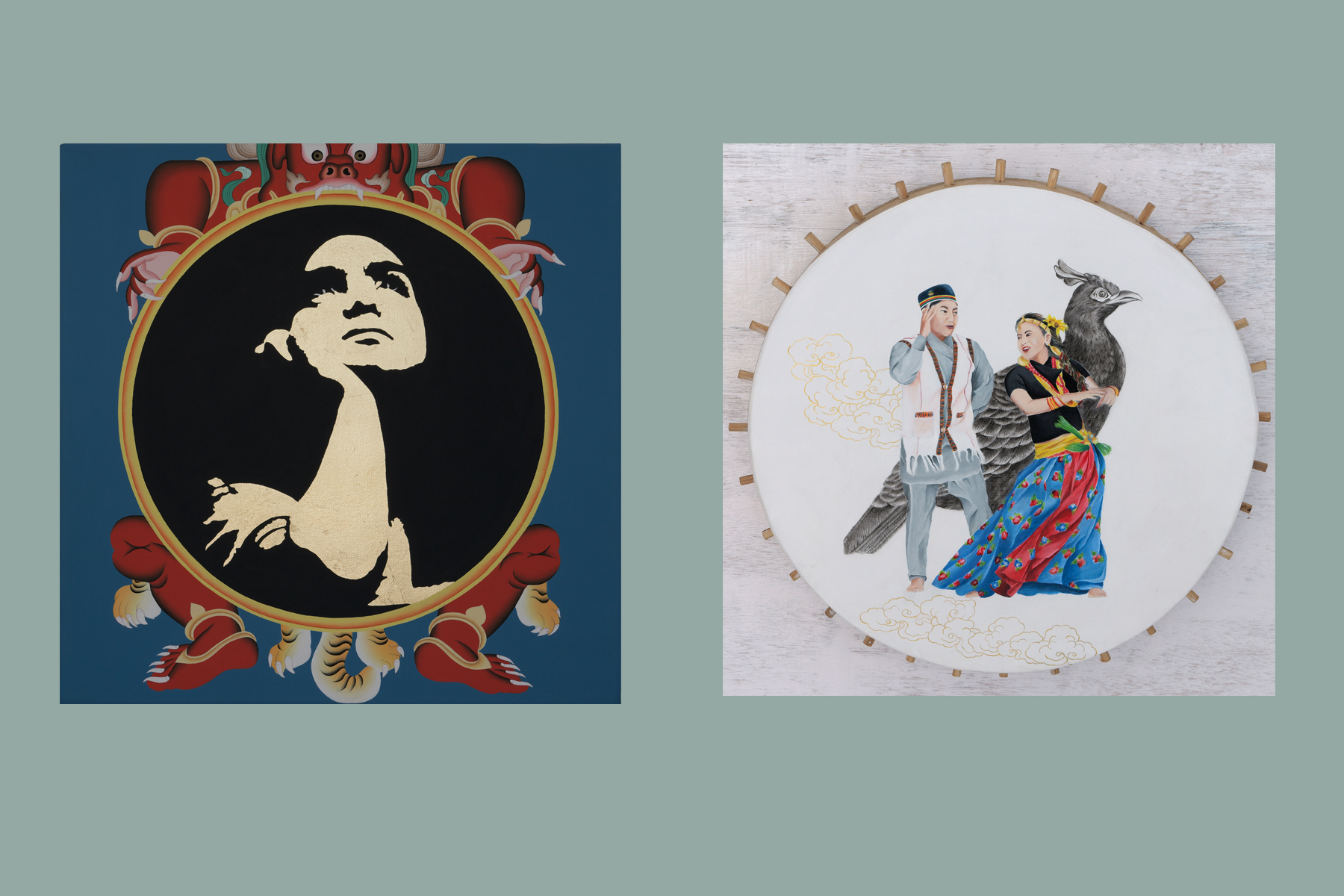
Among the traditional artists, Roshan Tamang, a master of the Thangka style, created a captivating painting featuring the Damphu, a revered traditional musical instrument. In his artwork, he portrays the Damphu alongside Nepal’s national bird, the Daanfe (Himalayan Monal), symbolizing the deep cultural connection between them. According to Tamang, the Damphu holds prolific cultural significance, serving as a central element in musical and ritual expressions within his heritage. His painting not only celebrates the Damphu as a symbol of tradition but also highlights its bond with the Daanfe, capturing a meaningful blend of nature and culture that resonates deeply within his community.
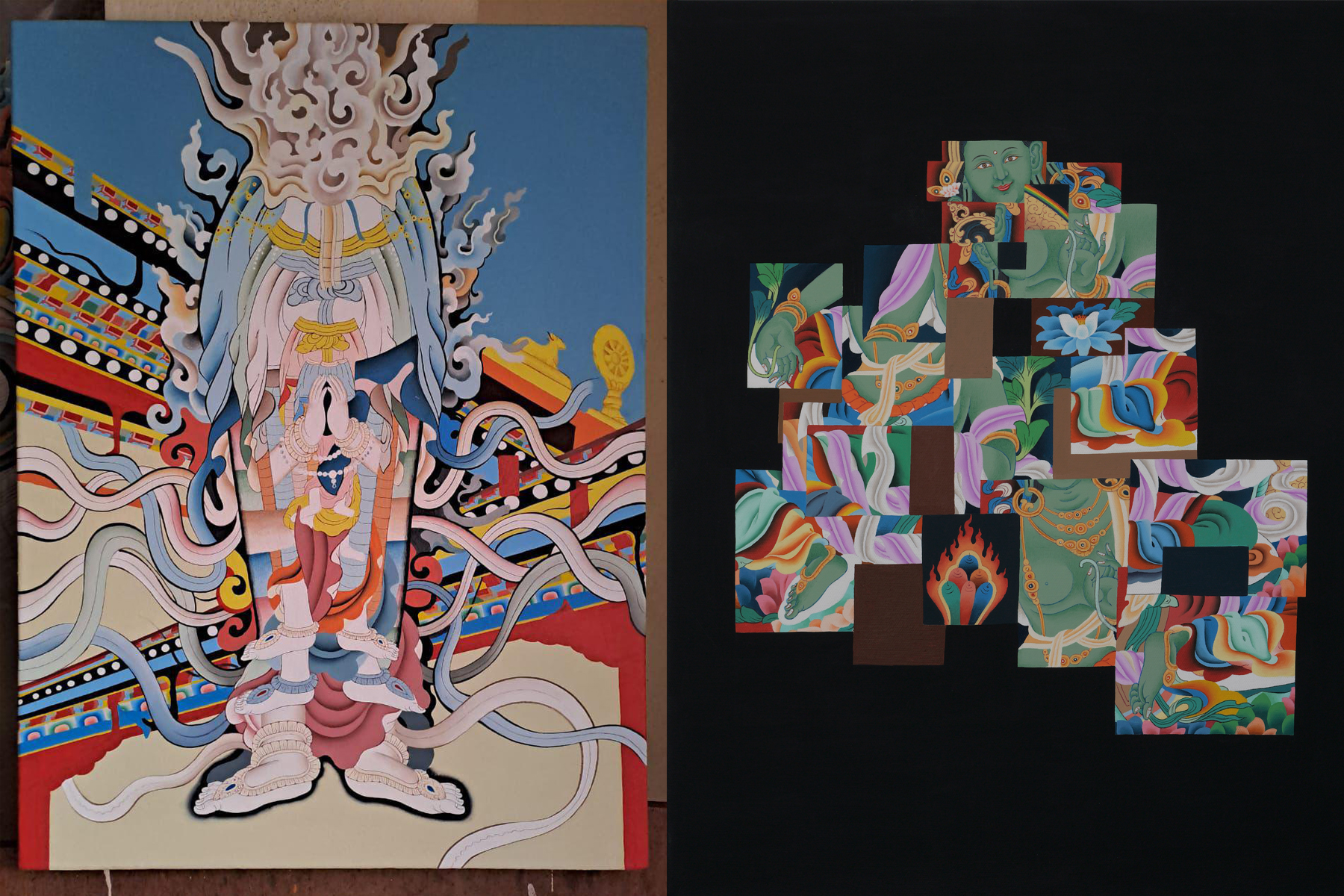
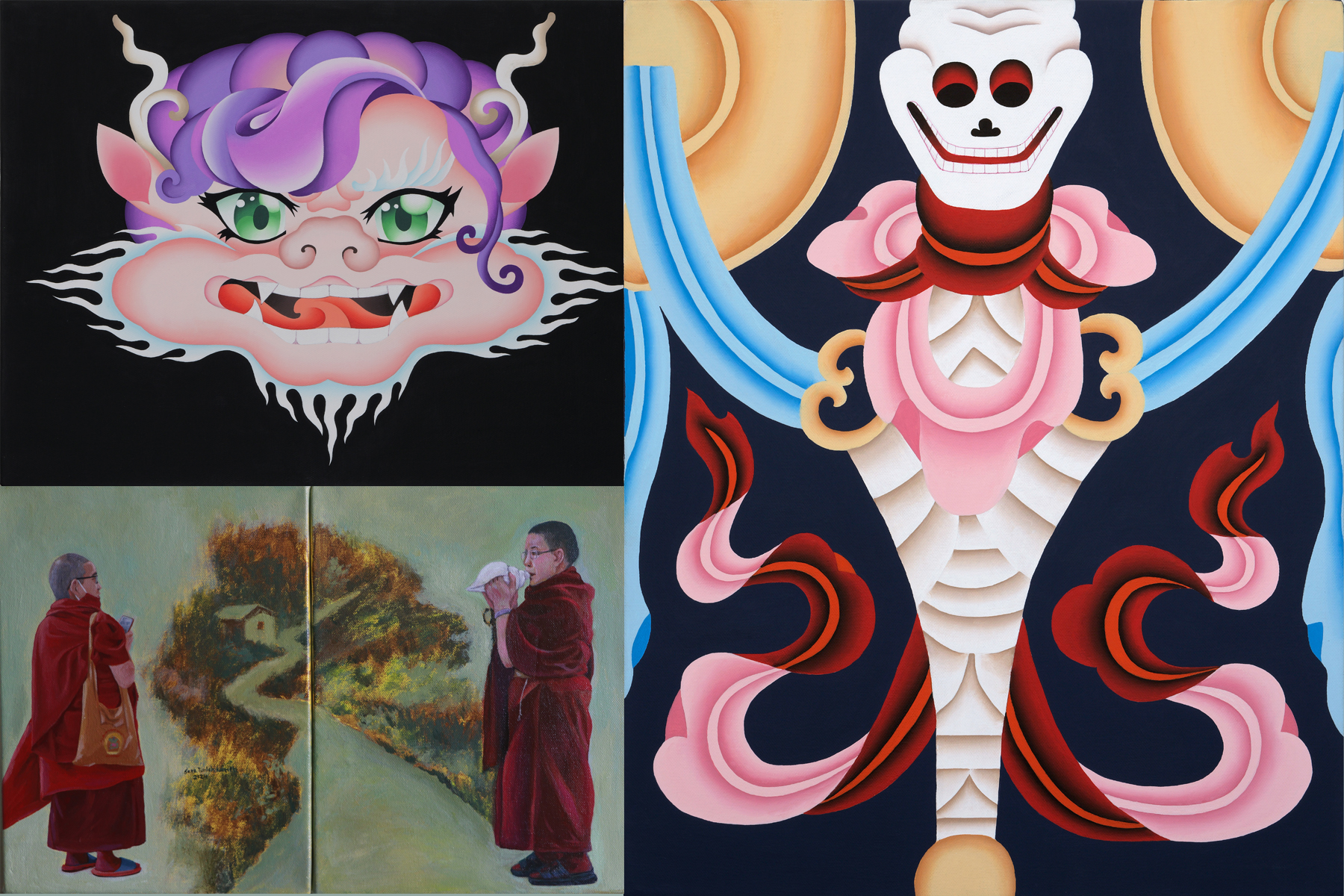
Pasang Lama, another talented artist in the exhibition, created a self-portrait during the project’s year-long journey, capturing himself immersed in the meticulous craft of Thangka-making. In his painting, he appears in a state of awe, reflecting his amazement at the possibilities within contemporary art—a realm he had never imagined could be so inspiring. In another striking piece, he reinterprets the legs of Green Tara, presenting them in a unique style and pose that blends tradition with a fresh, expressive approach.
Sapana Tamang, another artist featured in the show, skillfully bridges traditional and contemporary styles in her work. This time, she presents a striking monochrome self-portrait, a deeply personal piece rendered in shades of gray and black. Surrounding her image, she has painted the fierce, open mouth of a dragon—a motif reminiscent of the Wheel of Life, symbolizing the cycle of existence and karmic energy. Meanwhile, Mingma Lama contributes to the exhibition with an intriguing depiction of Green Tara, reimagined in a puzzle-like composition. Each fragmented piece of Tara invites viewers to contemplate her form in new and unexpected ways, blending spiritual symbolism with a modern, abstract twist.
Rojina Sunuwar, another artist in the exhibition, blends traditional and contemporary art to create a unique depiction of Chhepu in her painting. Her Chhepu appears strikingly modern, adorned with dynamic hair and flame-like elements that bring a fresh, bold energy to the traditional figure.
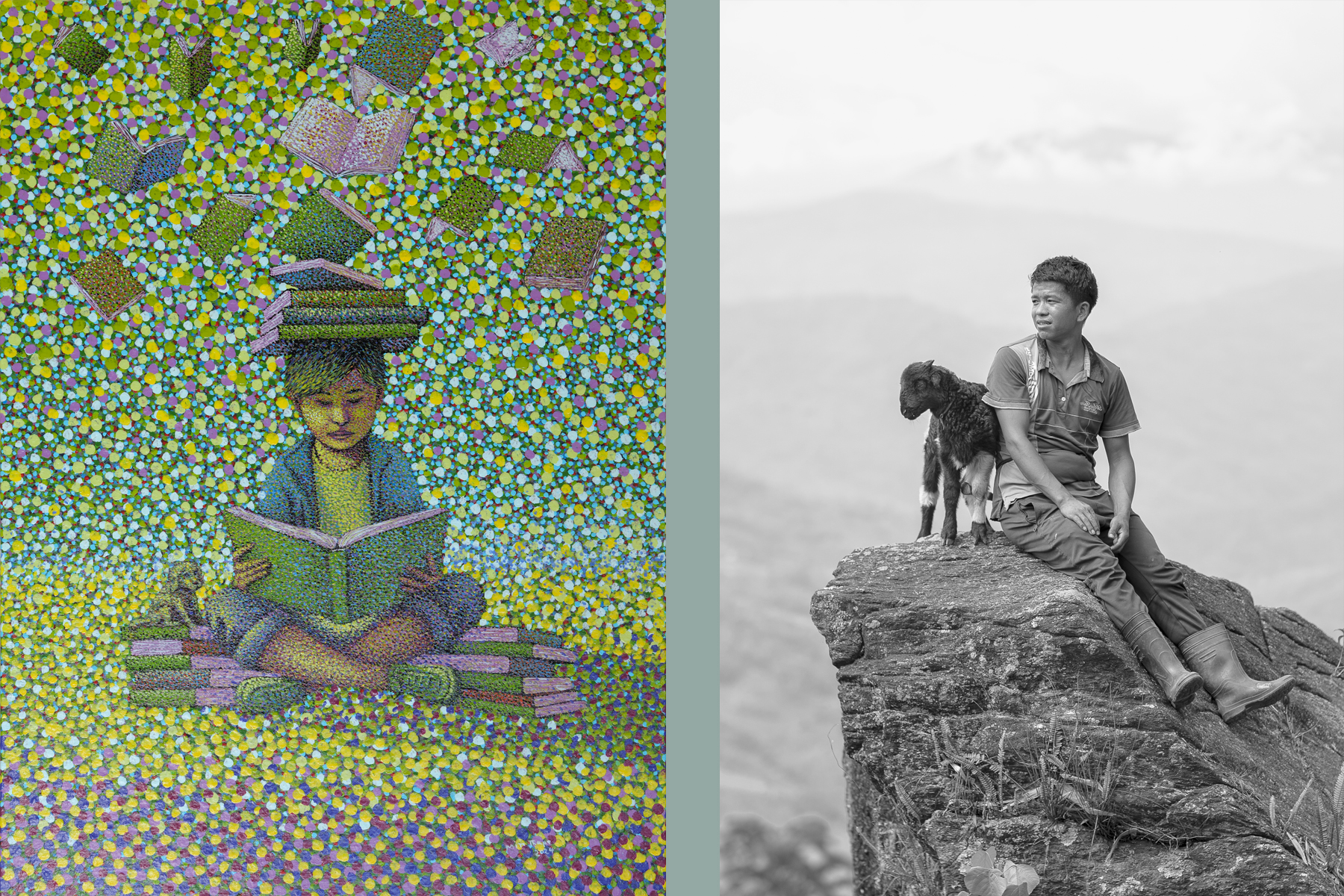
Min Thapa, a contemporary artist and participant in the Himalayan Art Initiative, traveled to Sankhuwasabha to share his passion for art with local children, teaching them creative techniques while immersing himself in their rich cultural heritage. Joining him was photographer Niranjan Maharjan, who introduced students to the art of photography. The photographs that he took during his journey are also being displayed in the exhibition.
Min Thapa’s works displayed in the exhibition capture evocative images of local teenagers, sparking his own reflections on the contrasts between their lives and his own teenage years. His art, inspired by pointillism—a technique pioneered by French artists before the era of digital photography—brings a timeless, textured depth to his portrayal of youth.
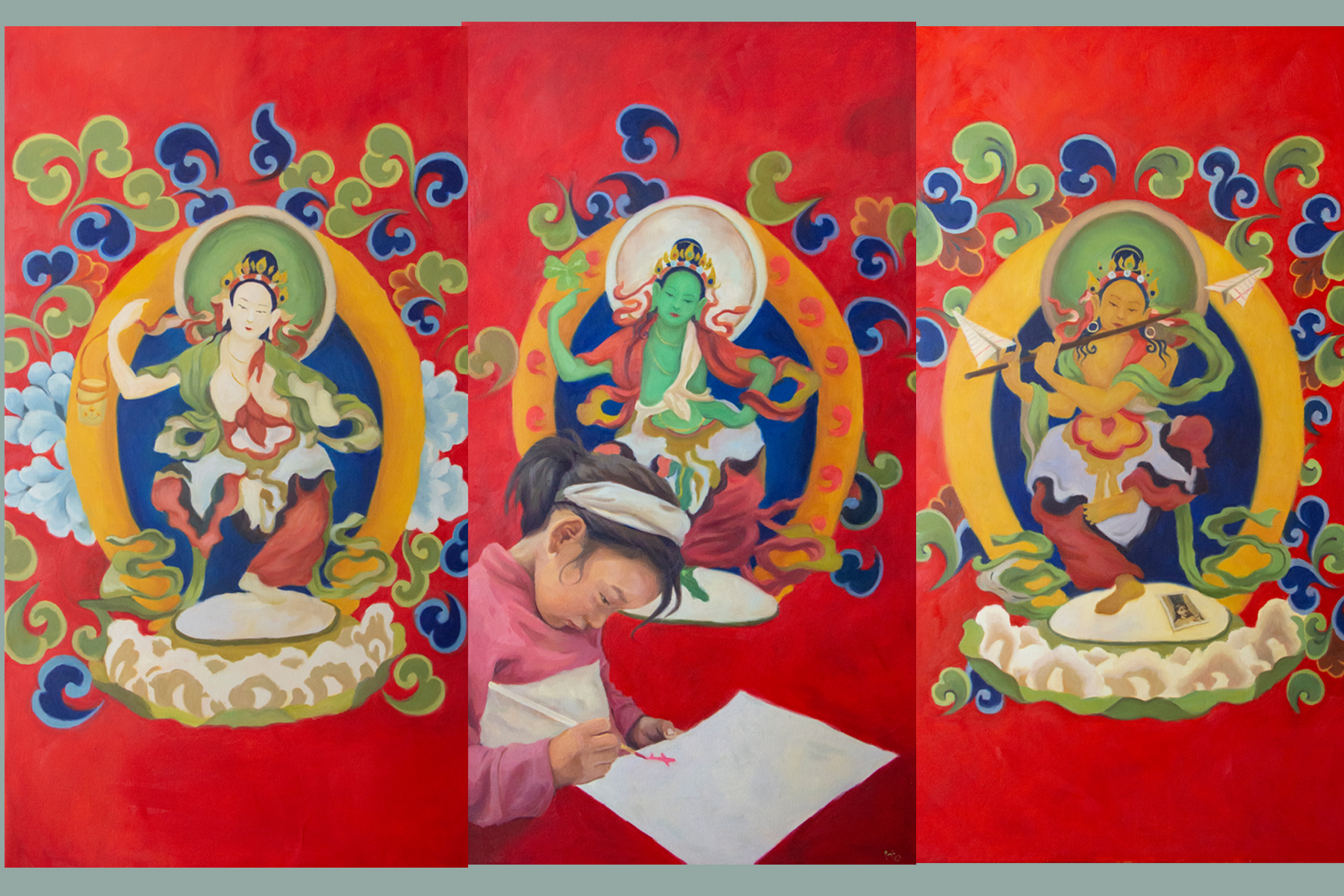
Pooja Duwal created a triptych for the exhibition, inspired by her time as an artist-in-residence in Phaplu, Salleri. She spent two weeks there with fellow artist Sara Tunich Kwinch, immersing herself in the local landscape and culture. Her triptych explores the theme of migration, questioning whether, as people move from one place to another, the gods and spiritual presences migrate with them or remain tied to their original lands. Through her artwork, she brings a reflective depth to the experience of migration, merging cultural and spiritual dimensions in a unique visual narrative.
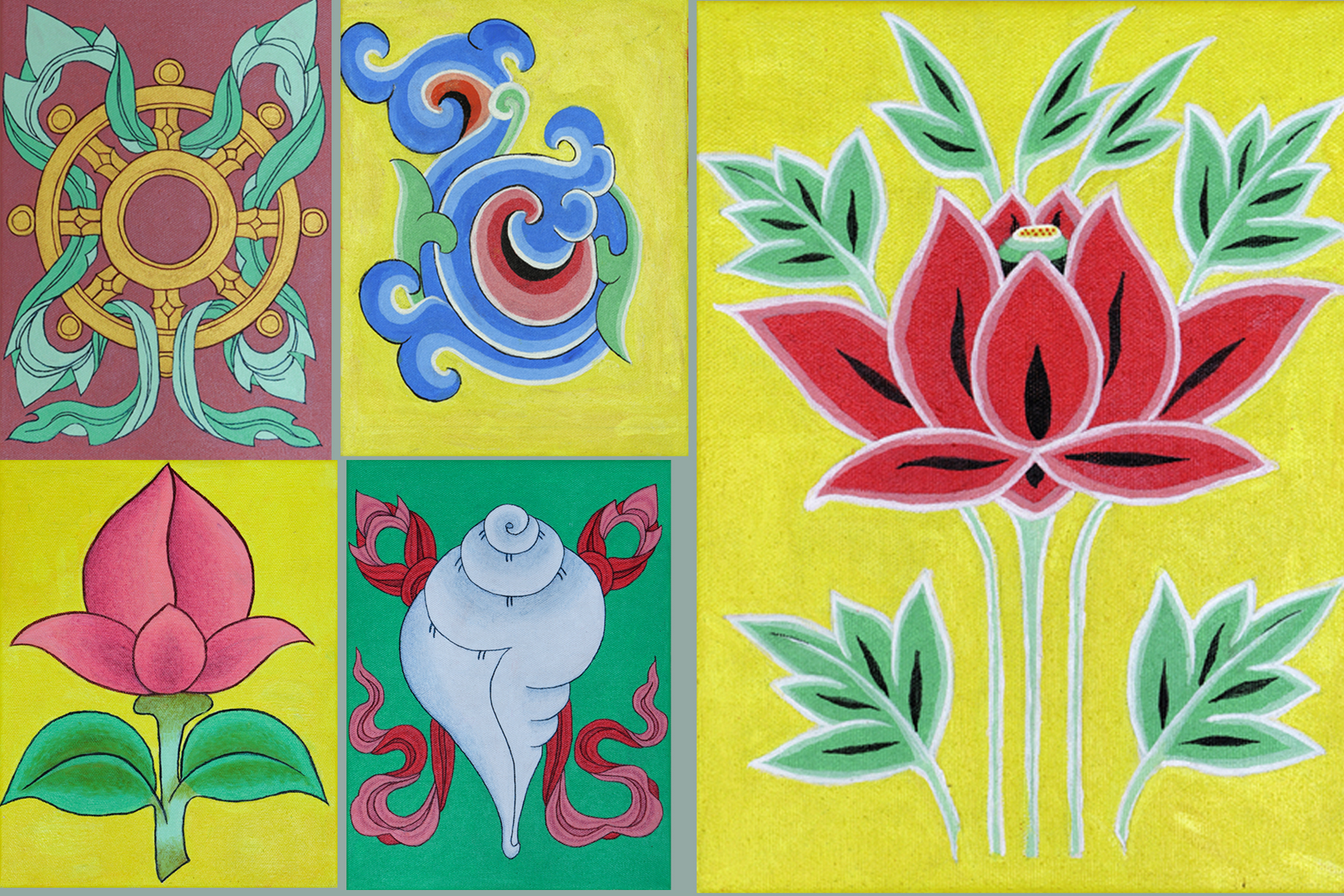
Bharat Rai, one of the participating artist also gave art-classes to different schools located at the periphery of Kathmandu under this project.
Where: Takpa Gallery, Lazimpat
Date: 09 to 23rd November
Gallery time: Tuesday- Thursday- 11am-6pm
Friday-Sunday- 11am-7pm
Gallery Remains closed on Monday.

Leave A Comment