
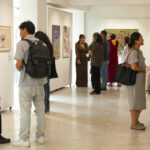
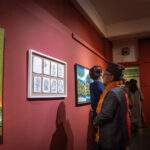
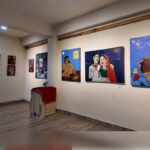
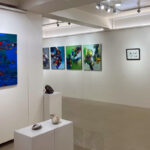
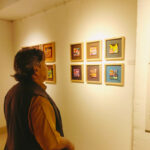

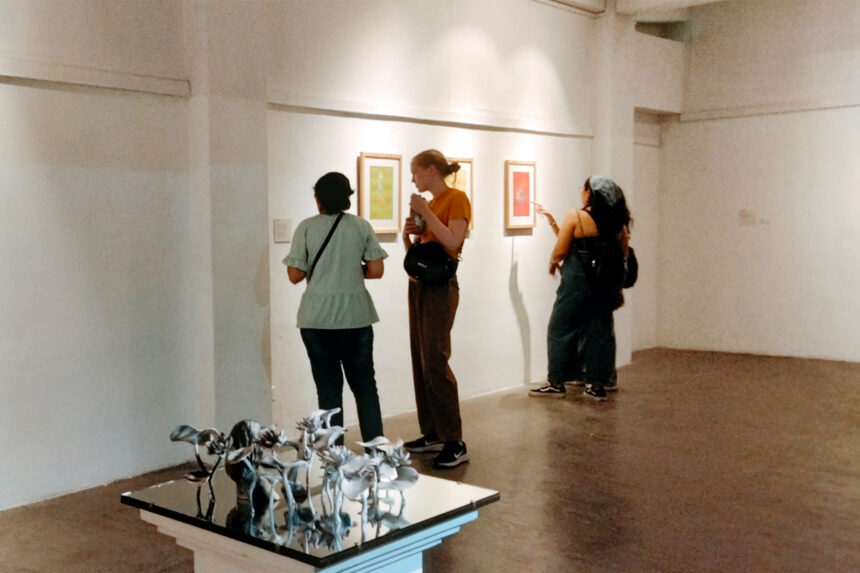
Kathmandu University has been quietly yet powerfully weaving its magic into the evolving tapestry of Nepal’s contemporary art scene. Revered for its fearless explorations in style, form, and medium, the university has long been a cradle for bold experimentation. Here, emerging artists are nurtured with care and precision-guided to embrace their individuality so that their unique strengths blossom into distinct artistic signatures from the very outset of their journeys.
Now, this spirit of mentorship and collaboration takes center stage once more. The university’s seasoned mentors, alongside a dynamic group of recent graduates, are preparing to unveil ‘Sangam’—an evocative exhibition where fifteen gifted artists converge, their diverse voices merging into a singular, vibrant chorus of creativity.
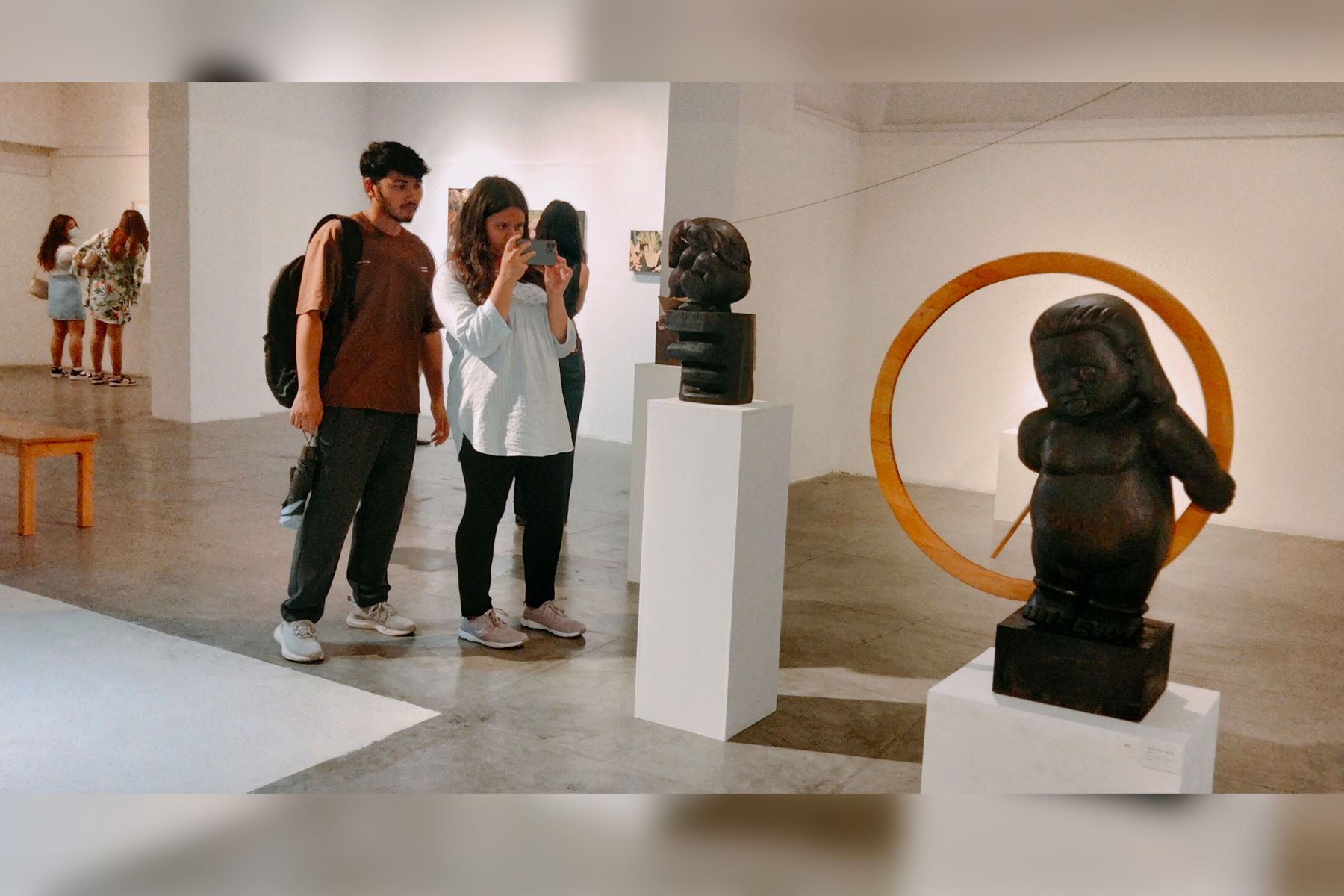
Set against the elegant backdrop of the Nepal Art Council in Babarmahal, ‘Sangam’ will run from July 12th to 18th—a weeklong celebration of vision, innovation, and the boundless possibilities of artistic synergy.
This beautiful dance between mentors and their students-sharing space, ideas, and creative energy-is hardly a new tradition. Yet, every time it unfolds, it brings its own set of challenges and revelations for both the emerging artists and their guides. It’s a delicate balancing act: learning, unlearning, and growing together under the same roof.
“We hope to make this an annual ritual,” shares Sagar Manandhar, one of the mentors and a participating artist in the exhibition. His eyes light up as he speaks of the future. “Every year, the lineup of artists will change, bringing fresh perspectives and new works for audiences to experience.”
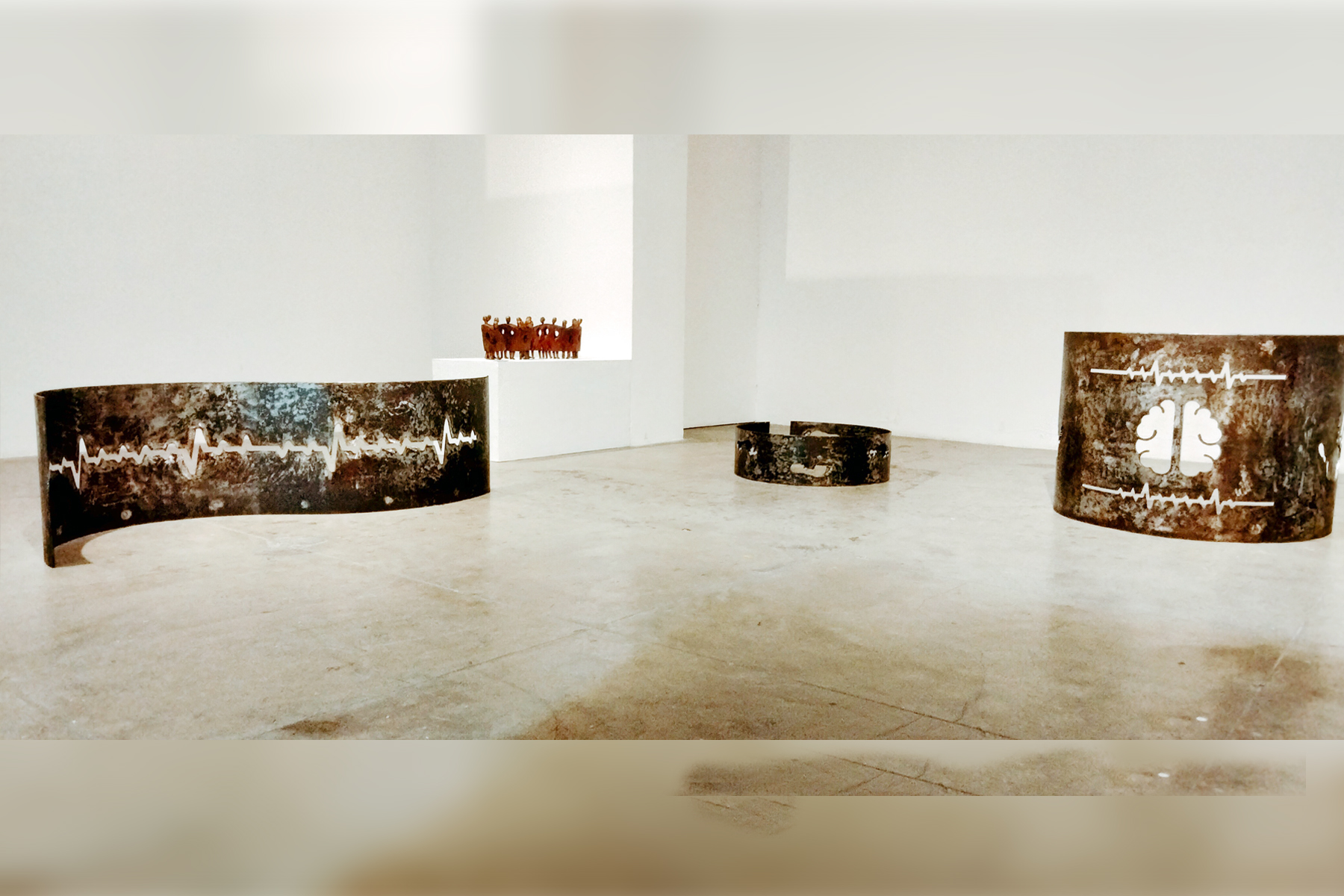
Among the mentors, sculptor Bhuvan Thapa has contributed a striking set of three iron plates-quietly powerful pieces, each carrying its own symbolic weight. One plate holds the imprint of footsteps, another pulses with the rhythm of a heartbeat, and the third reveals the intricate pathways of the human brain. Together, they form a poetic meditation on existence itself-how we move, how we feel, and how we think. A mapping of life’s quiet currents through body, heart, and mind.
The exhibition itself begins with a visual whisper-Bipin Shrestha has masterfully crafted its branding, designing a wood-mark logo where every letter seems to carry its own quiet personality. The careful arrangement isn’t just aesthetic; it’s intentional, a tribute to the distinct voices of each artist taking part in ‘Sangam’. His design becomes the first invitation-subtle, yet striking-to step into a world where individuality reigns.
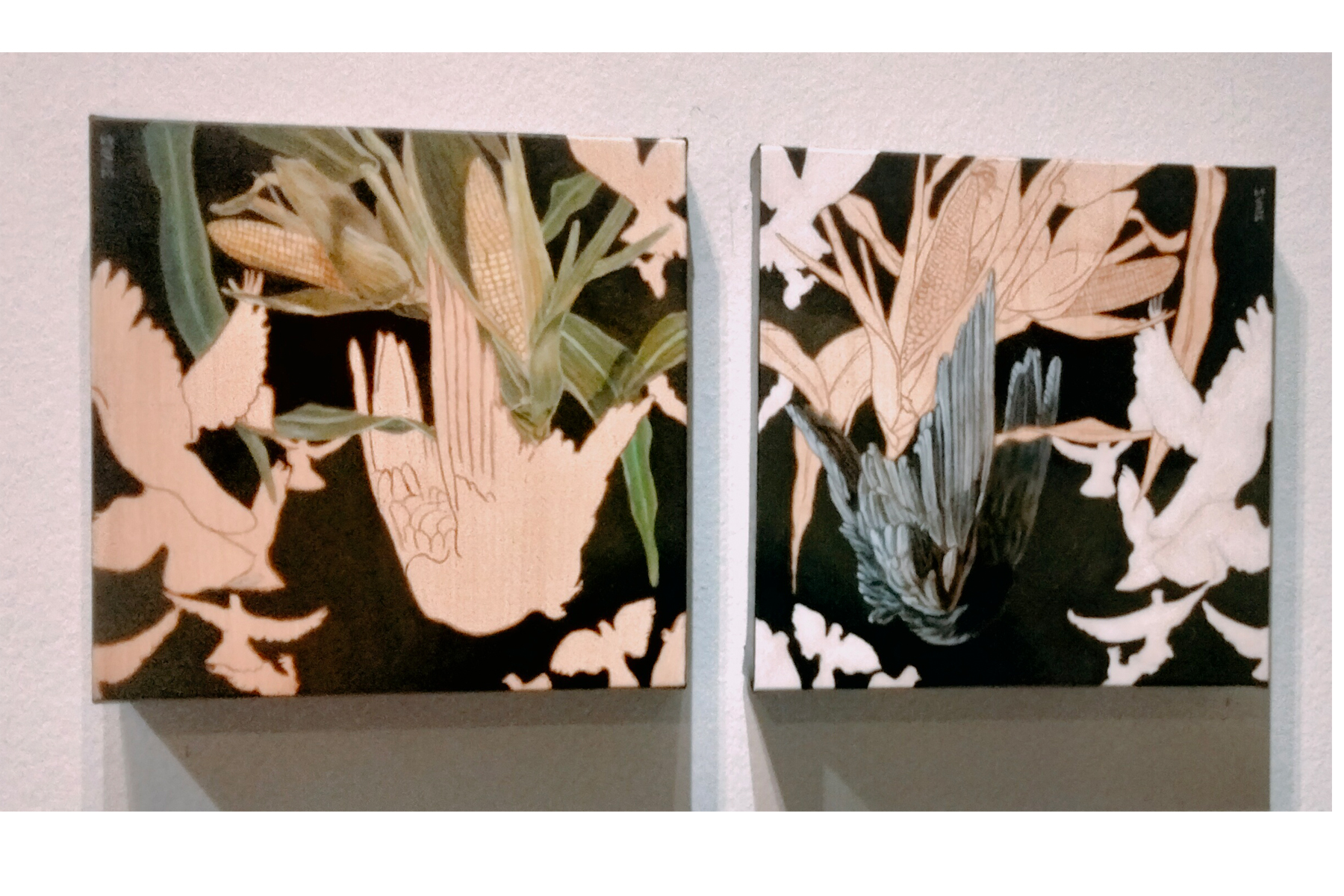
Among these unique voices is Bibhas Rai, who turns to the rich tapestry of Kirati folklore for inspiration. His canvases, painted in oil on linen, breathe new life into ancestral tales-stories once told by the flicker of firelight, now fading in a world obsessed with digital screens and virtual adventures. Through his work, Bibhas seeks to bridge this growing divide, pulling the viewer back toward the earthiness of oral tradition. His paintings pulse with quiet power-realistic depictions of animals woven seamlessly into the rhythm of the natural world, inviting a return to a forgotten, yet glorified past.
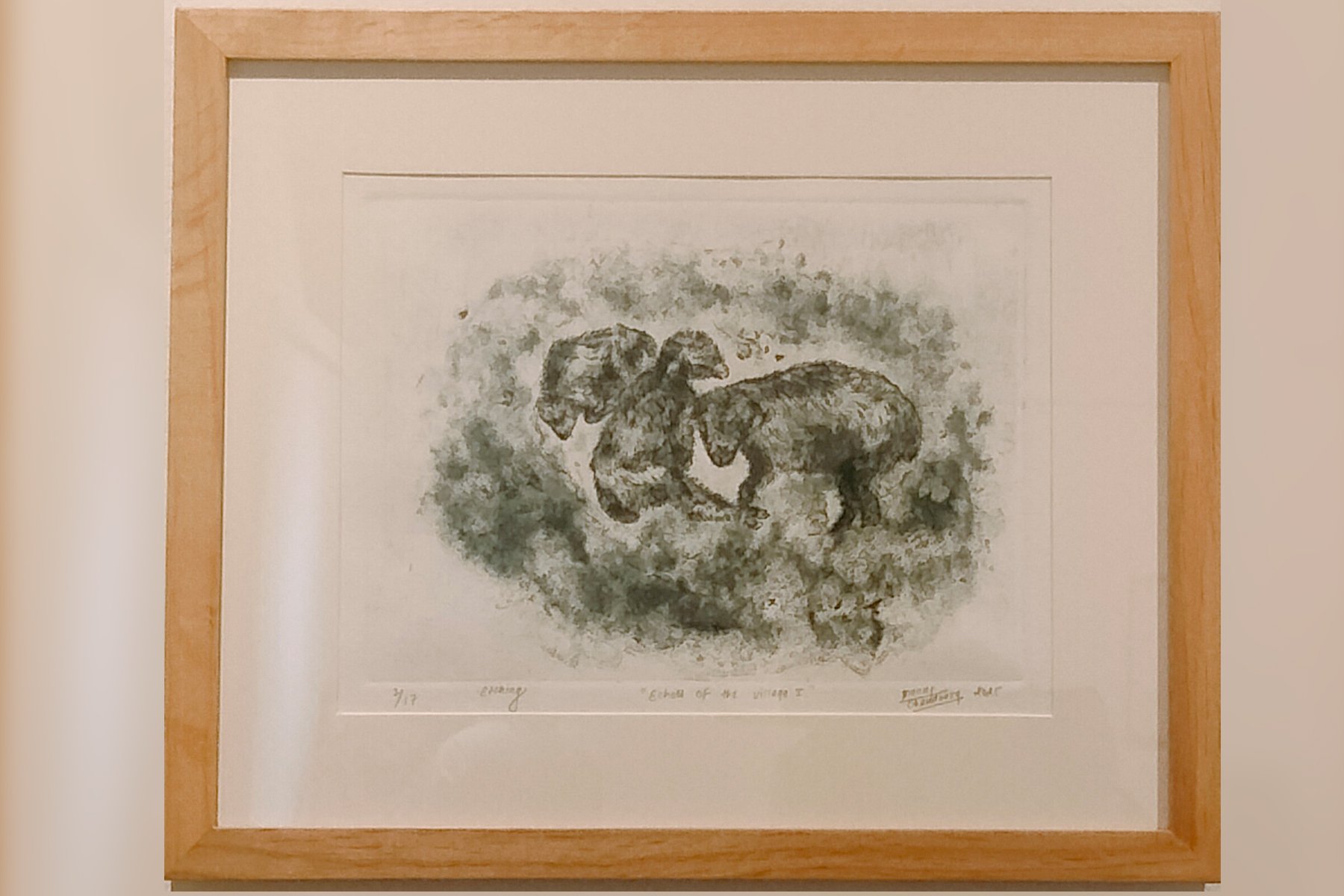
Then there is Manu Kumar Chaudhary, whose series ‘Echoes of the Village’ transports viewers into the tender, unadorned beauty of rural life. Through the simple imageries of mice, lanterns, and grains, Manu stitches together the soft-spoken narratives of his village-a place where every object carries memory, and every corner hums with untold stories. His art doesn’t just depict; it ‘feels’-an honest, intimate glance at the rawness and resilience of a way of life slowly slipping through time’s fingers.
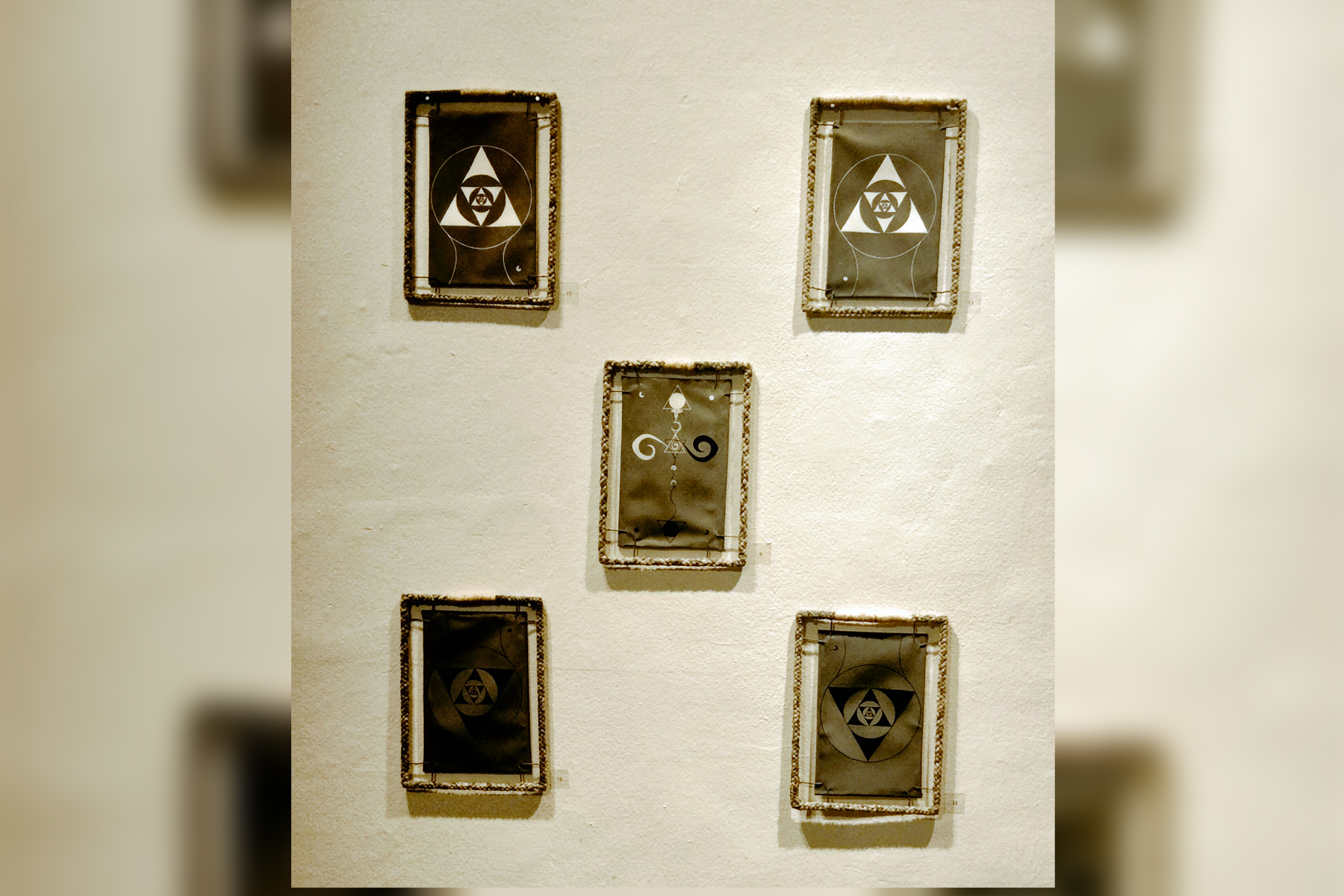
Om Prakash Shris, one of the participating artists, delves into the poetic dance of opposites-light and shadow, fullness and emptiness, presence and absence. His works unfold on muted grey backgrounds, where carefully chosen symbols emerge, quietly hinting at hidden meanings. Each form stands alone yet finds its purpose only in relation to its counterpart-like puzzle pieces yearning to be complete. His choice of framing adds another layer of intrigue; the borders themselves seem to echo the delicate balance within his compositions, making the entire piece feel both contained and expansive.
Sculptor Praful Shilpakar turns inward, drawing viewers into the profound, restless search for selfhood. His sculptures are raw meditations on the elusive nature of identity and impermanence. “The self,” he reflects, “is discovered only through our imperfections.” In one striking piece, the figure’s face is conspicuously absent, leaving a haunting void where identity is meant to reside. In another, hands desperately reach for a face, as if grasping at something just beyond reach. He titles this work ‘Anitya’—a quiet reminder that nothing in life remains unchanged. The vacant spaces in his sculptures speak louder than what is seen, inviting viewers to question their own reflections.
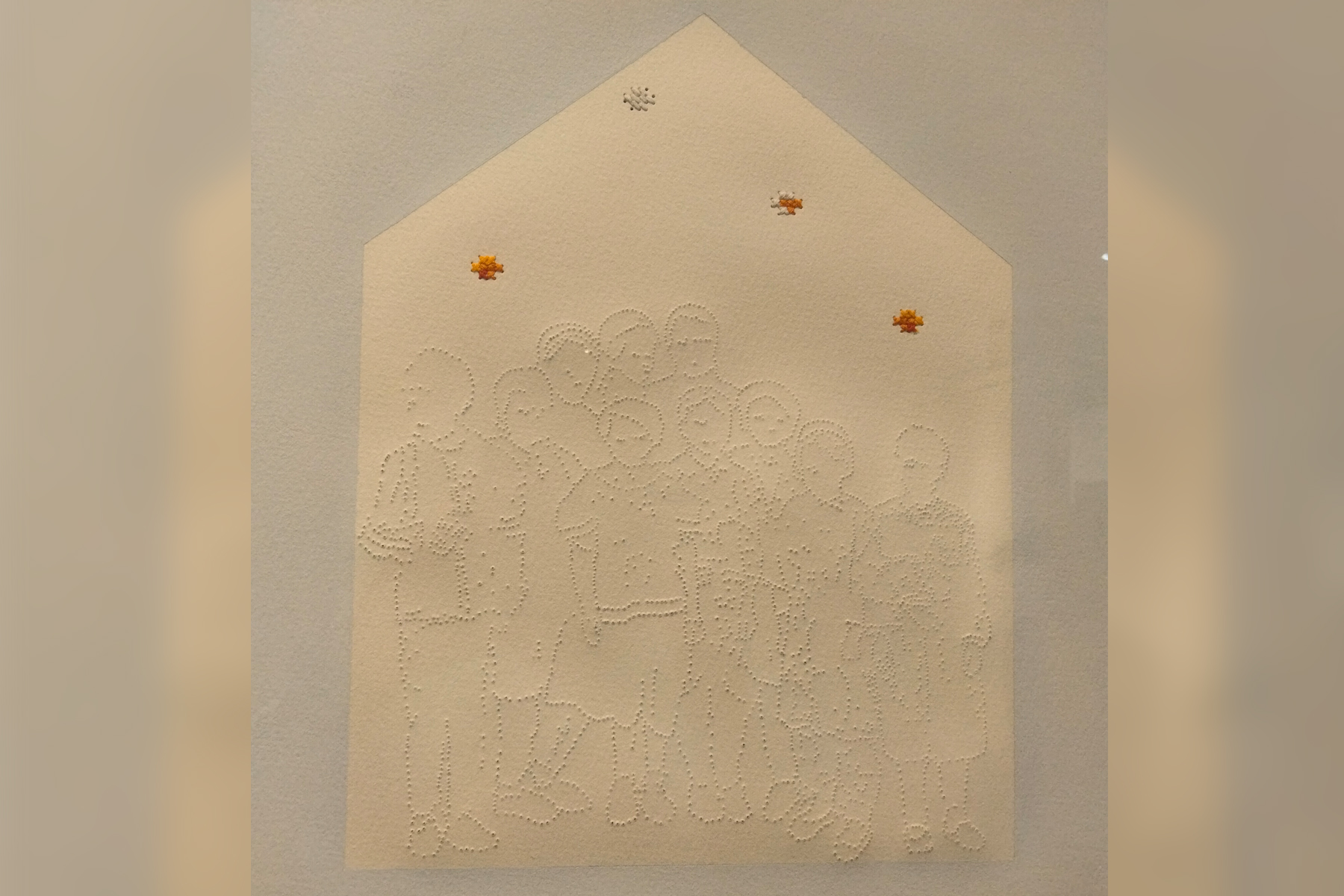
Pratima Thakali, an art educator and artist, brings a deeply personal lens to her work, returning again and again to the theme of ‘home’. For her, home is not merely a place, but a layered landscape of memory, belonging, and unseen emotions. In her canvases, she carefully weaves together textures and images-houses, doorways, everyday objects-alongside handwritten fragments of text, allowing words and visuals to merge into a quiet conversation. Some pieces feel like whispered secrets, others like open invitations to step inside her memories. The familiar becomes unfamiliar, and what’s hidden slowly rises to the surface.
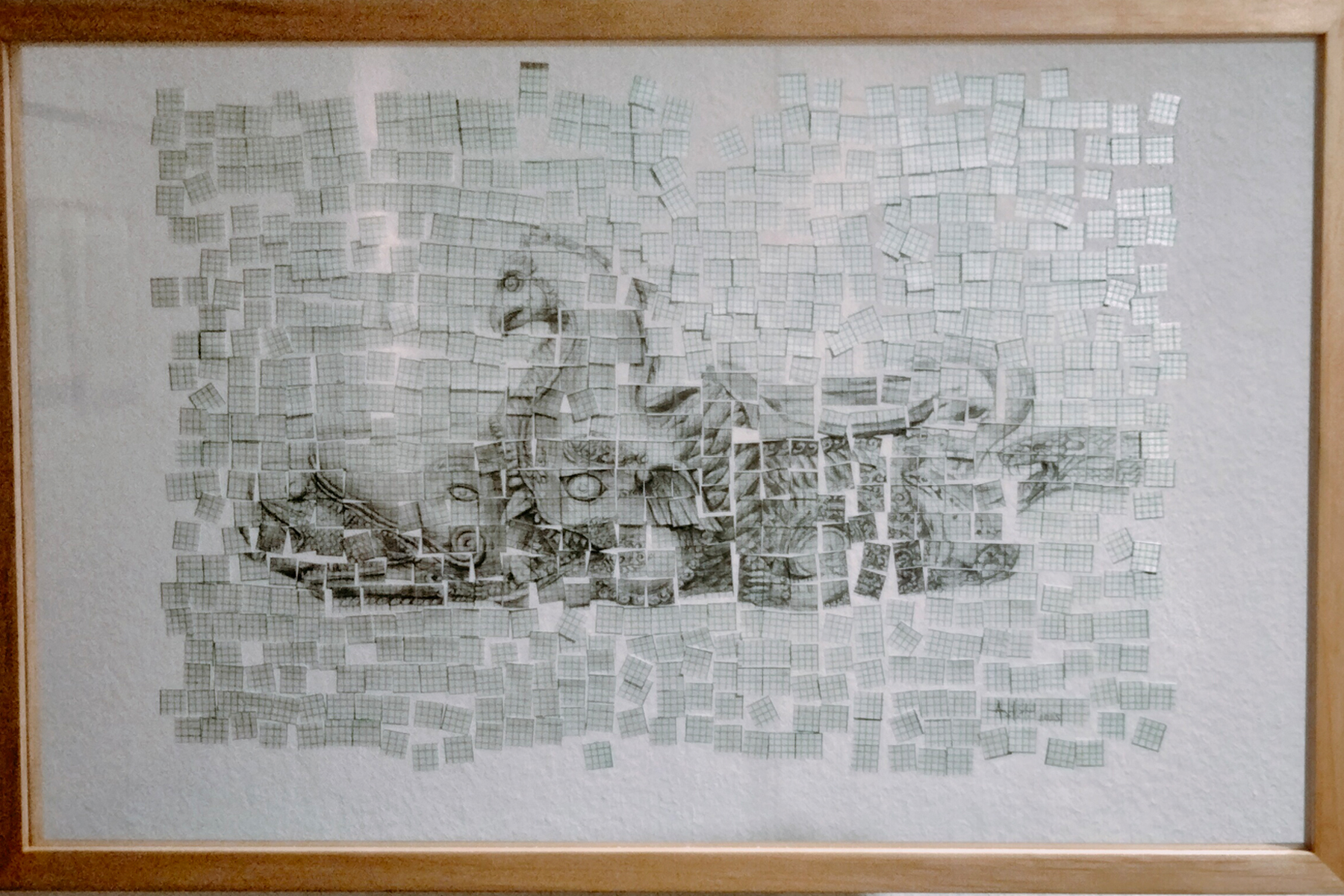
Meanwhile, Anil Shahi, another educator and artist, turns his gaze toward Kathmandu’s vanishing heritage-particularly the ‘Hiti’, the ancient stone water taps that once sustained entire neighborhoods. These communal lifelines, passed down from generation to generation, now stand as dry relics, their purpose eroded by time. In his work, Anil layers fragmented paper over transparent acrylic, creating ghostly, fragile impressions of these once-vital monuments. The stone taps remain in form, yet their spirit-like the flowing water-is absent. His art becomes a quiet lament, a visual elegy for what has been lost but still lingers in the city’s bones.
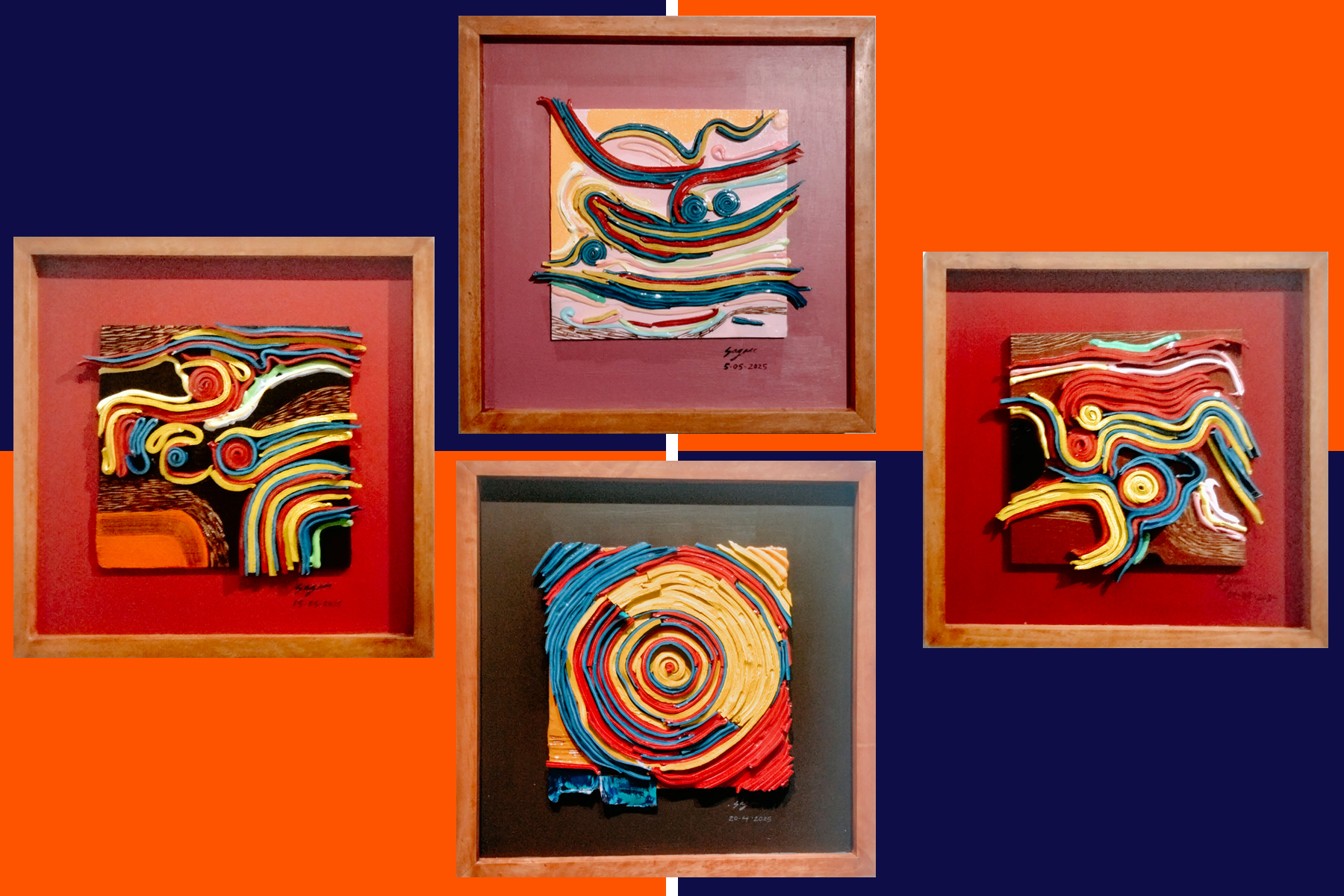
Sagar Manandhar, both an artist and art educator, approaches painting with a sensibility that feels almost musical. His work listens closely to the city-its murmurs, its chaos, its quiet pauses-and then translates those sounds into color and form. To him, the hum of everyday life isn’t just heard; it’s something that can be seen, felt, and even touched through art. His canvases bloom with vibrant, unexpected colors, giving his paintings a sense of movement, almost as if they’re vibrating with the pulse of urban soundscapes. There is a poetry in how he captures this invisible yet ever-present world, creating works that feel both deeply familiar and refreshingly new.
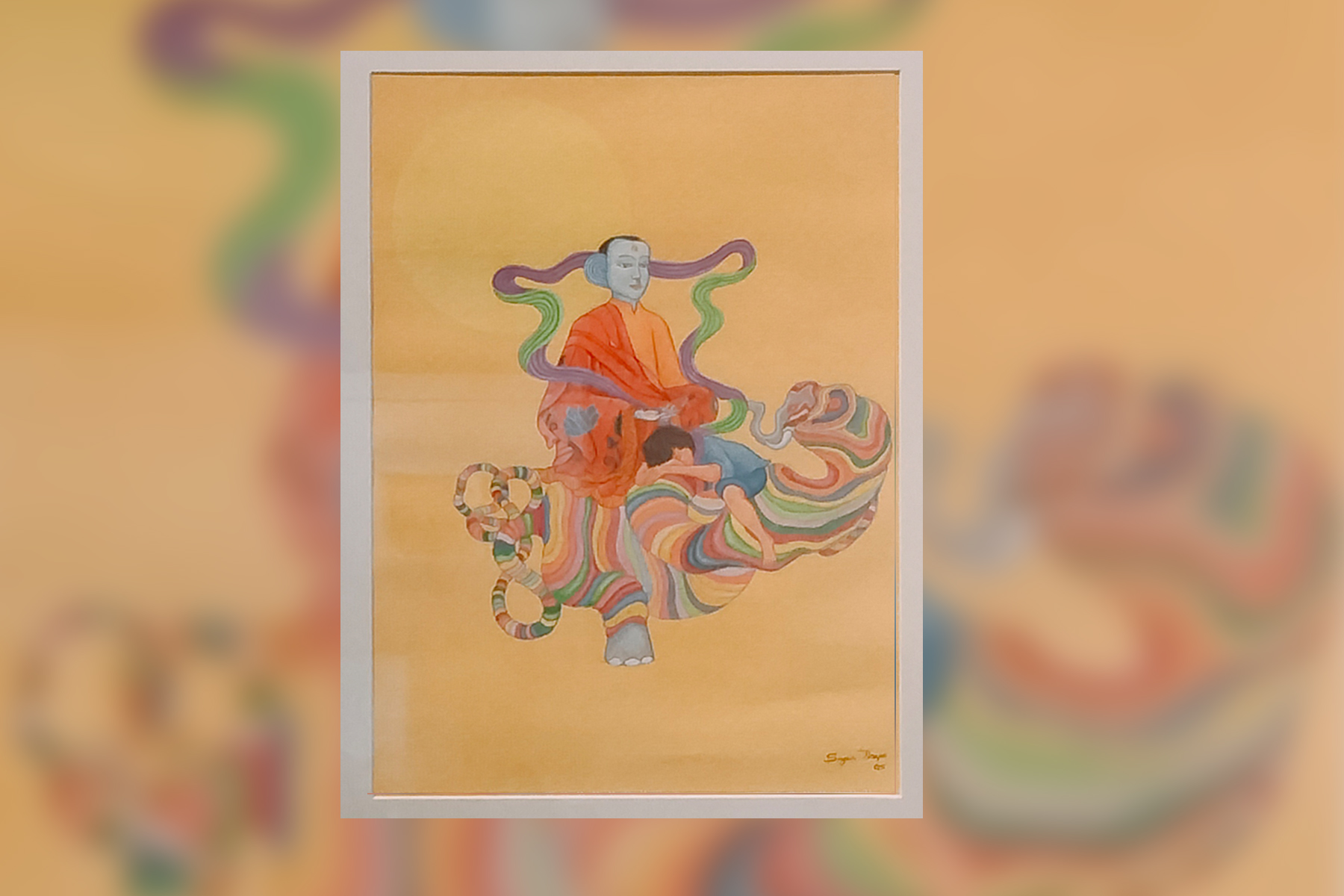
In a different but equally thoughtful exploration, Sagun Thapa turns toward the teachings of Buddhism, drawing on ancient allegories to reflect on the human condition. His painting, awash in a rich yellow background, depicts a serene, meditative figure surrounded by the symbolic fragmentation of the “three poisons”: greed, hatred, and delusion. These dark forces, central to Buddhist philosophy, are carefully broken apart within the painting, as if they are being slowly dissolved by awareness and contemplation. His work resonates with the delicate lines and intricate symbolism of traditional ‘Thangka’ paintings, yet carries a subtle contemporary touch, bridging the sacred past with the present moment.
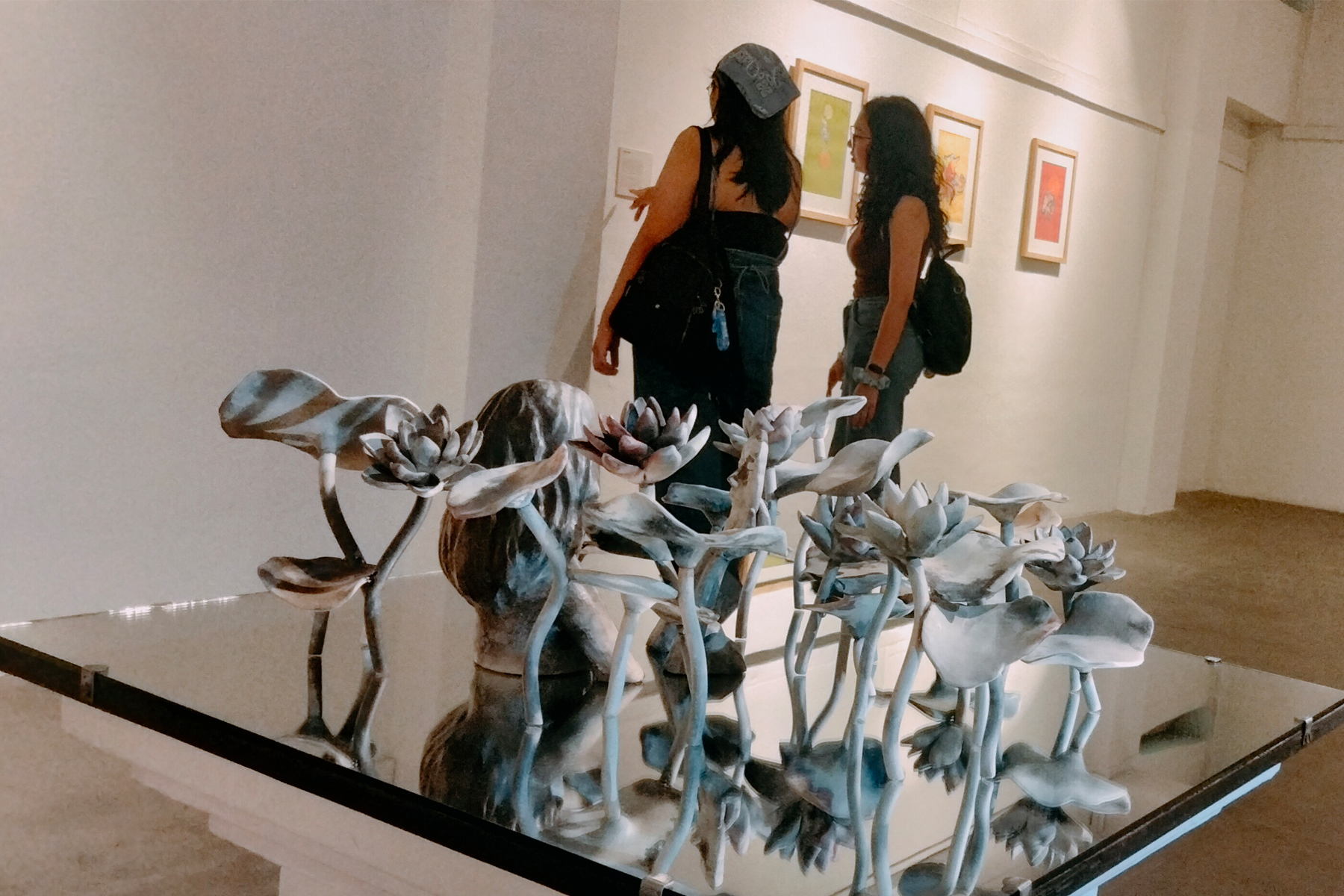
Sanjip Maharjan offers a quieter, more elemental dialogue through his work in ceramics. He shapes forms that evoke the essence of water and air-two forces that flow freely, vast and ungraspable, yet essential to life itself. In his hands, clay bends into gentle curves and fluid shapes, suggesting ripples, gusts, and currents. His sculptures invite viewers to pause, to breathe, and to contemplate the often unnoticed elements that surround and sustain us.
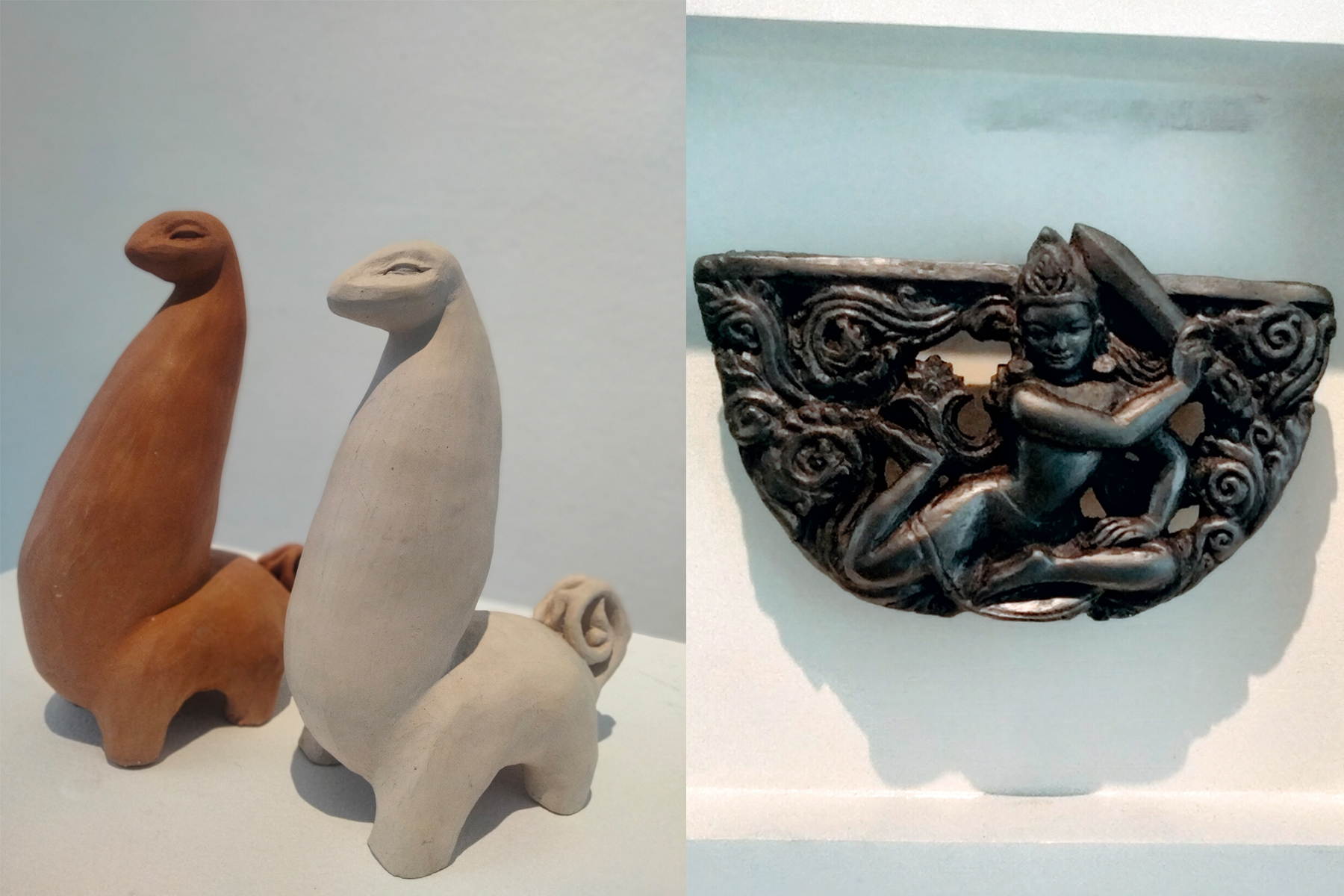
Sharana Shrestha, meanwhile, brings myth and reality face to face through her delicate creations in china clay. Her work is a conversation between generations-between the mythical creatures that have long inhabited the collective imagination and the truths hidden within those ancient stories. Her pieces feel like relics from a forgotten dream, inviting viewers to question what lies beneath the surface of the myths we inherit and to reflect on their enduring meanings in today’s world. She crafts a space where magic and memory intertwine.
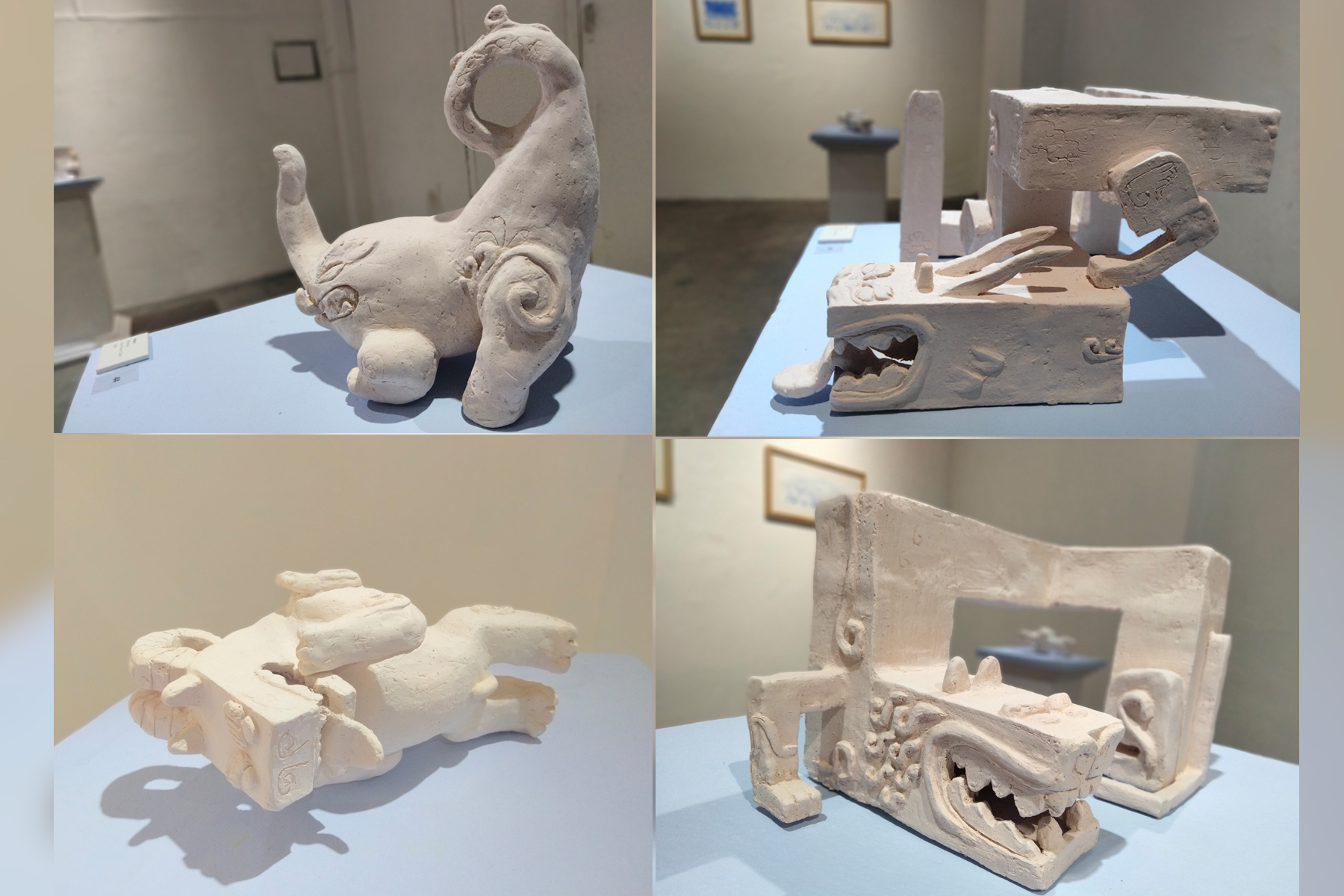
Siddhartha Shakya invites viewers into a space of introspection and playful skepticism. His paintings ask questions-not just about the artwork itself, but about the very act of questioning. In his view, thinking, learning, and perceiving are all bound by time, and any conclusion we reach is always open to revision. His mixed media works are layered with symbols, textures, and hidden meanings, almost as if they’re challenging the viewer to look deeper and then deeper still. His pieces don’t simply offer answers; they encourage a kind of quiet rebellion-an invitation to doubt, to wonder, and perhaps to ask whether the question itself was ever needed in the first place.
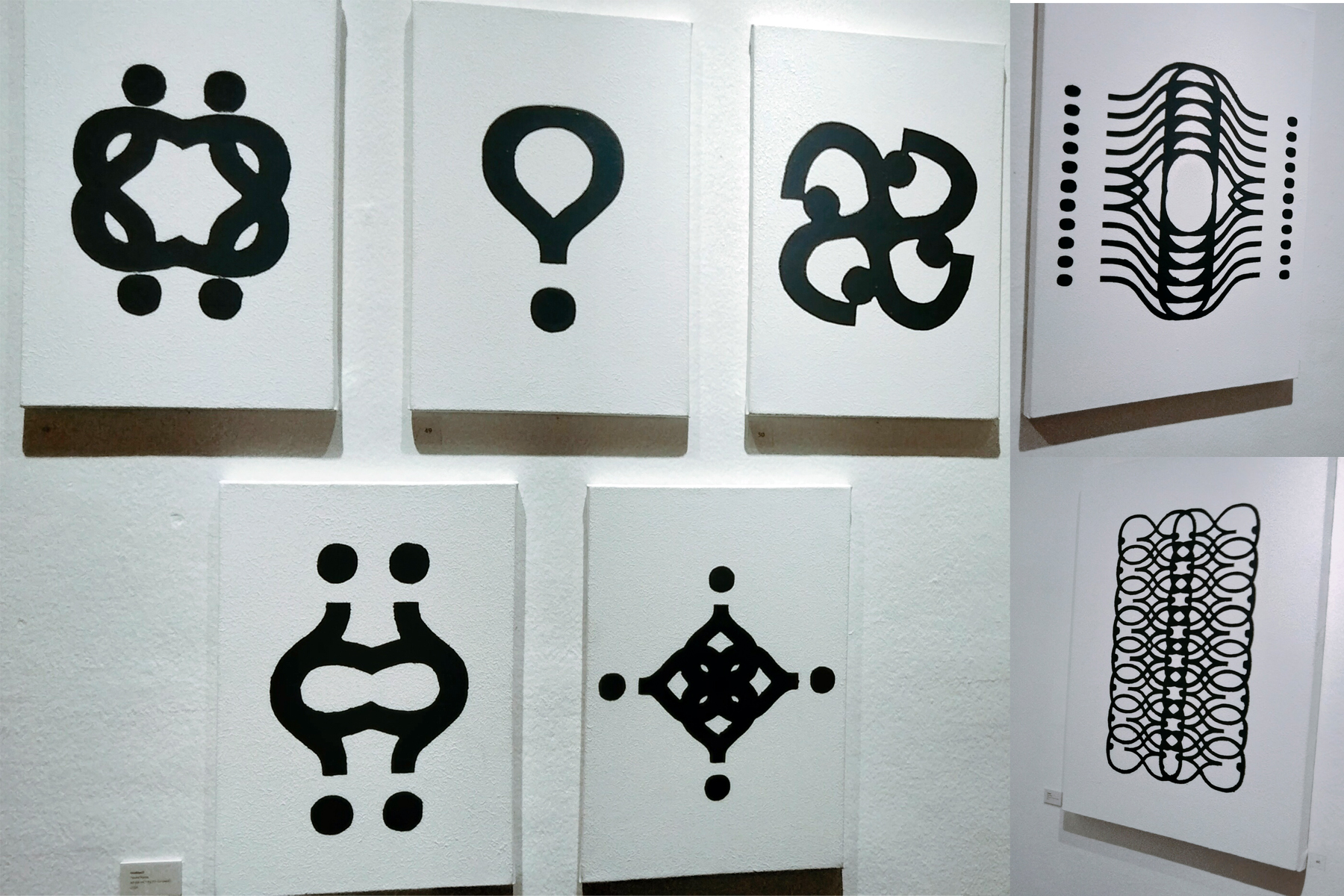
Sudikshya Dangol’s work is tender and intimate, like a whispered story carried through time. Using soft strokes of poster color and the delicate, almost meditative act of stitching, she traces the fragile threads of memory-memories of her grandmother, woven with love, longing, and quiet reverence. Her images are unassuming at first glance-simple scenes, familiar forms-but within them lies a gentle power. Each stitch becomes a heartbeat, each stitch is a fragment of her grandmother’s presence, binding together the past and present in a tapestry of affection that feels both deeply personal and universally resonant.
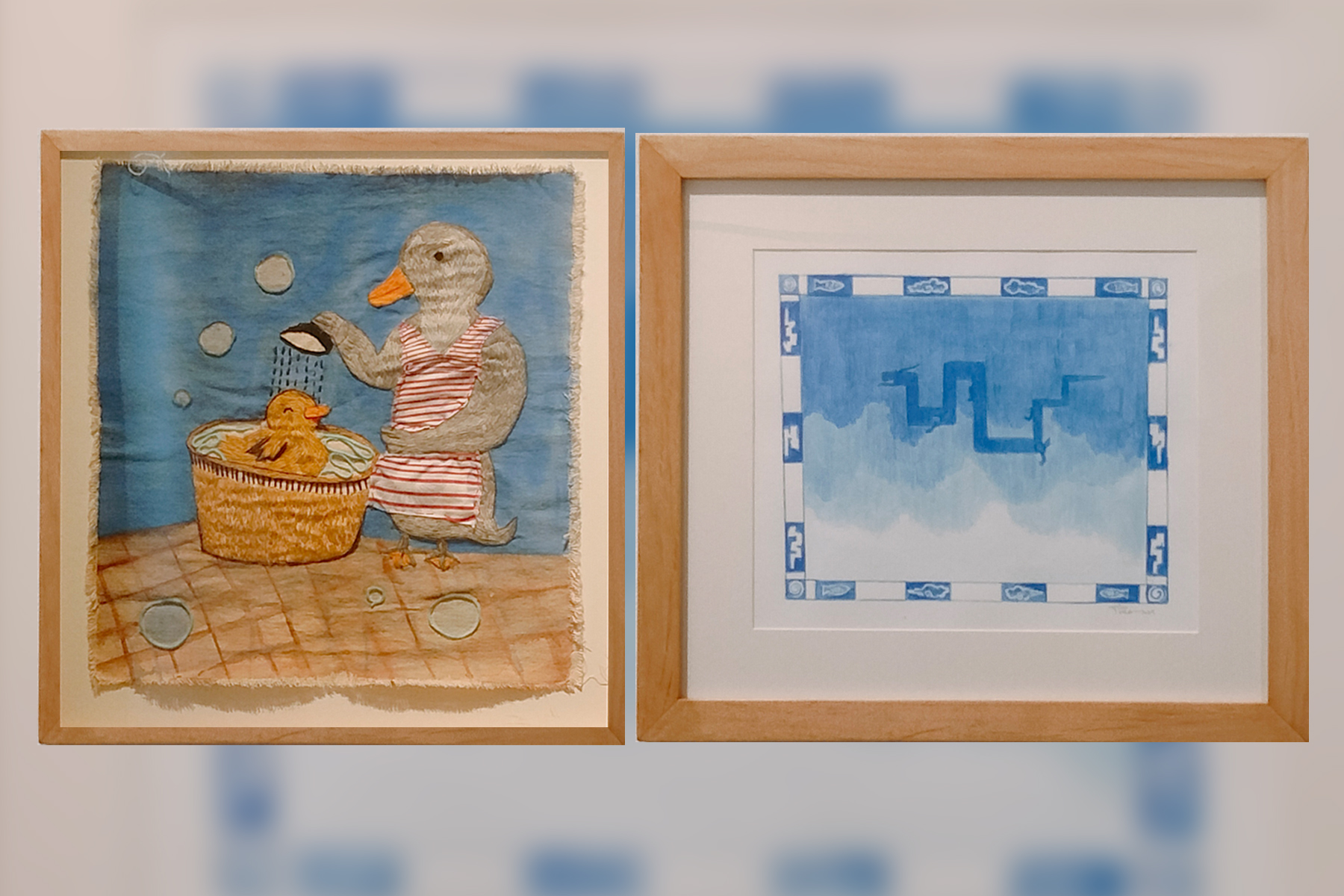
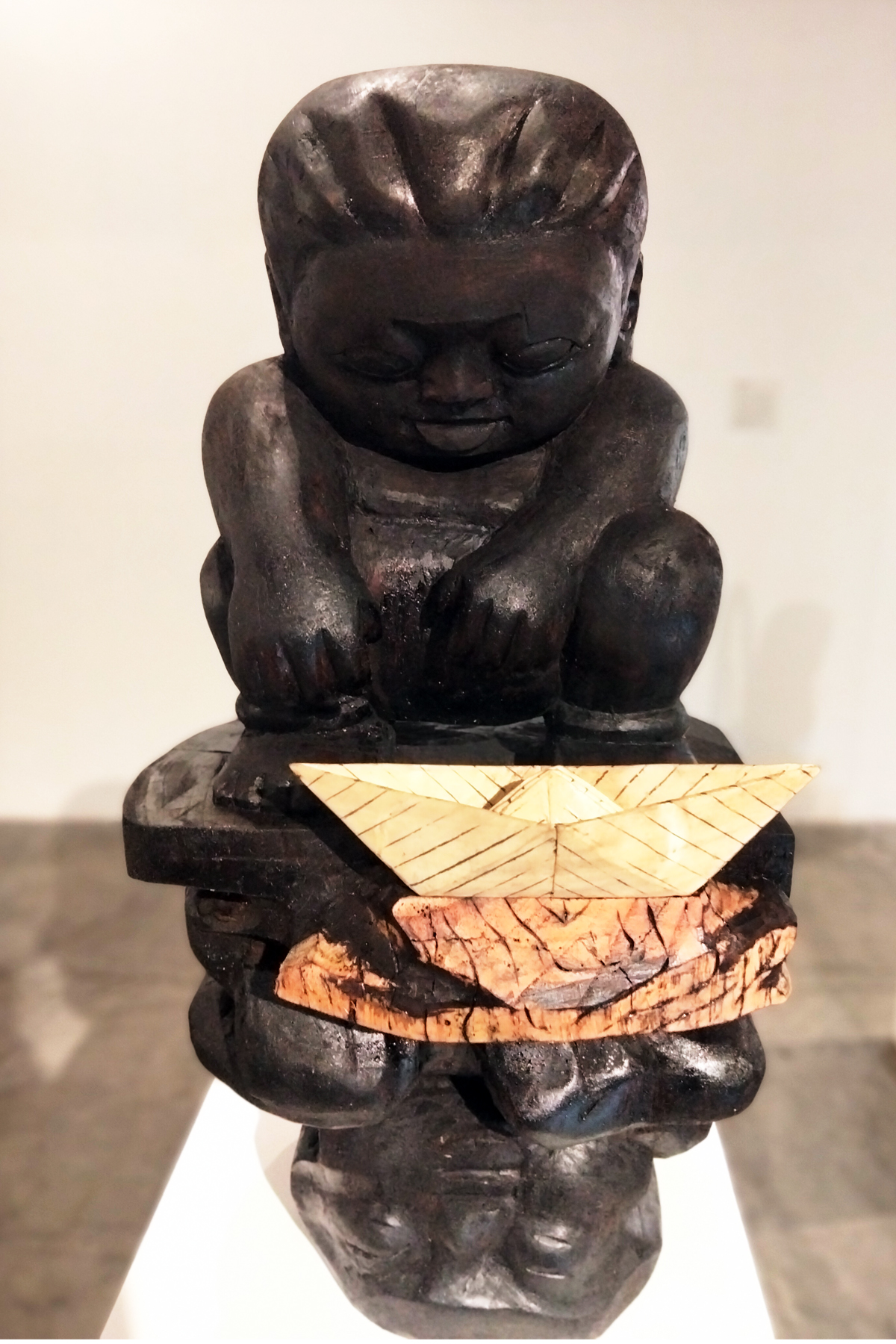
Suraj Shilpakar, long known for his mastery in woodcraft, returns to the forgotten corners of childhood, where shadows once danced and stories breathed life into the dark. His sculptures evoke ‘Khyaa’, the mischievous, playful spirit from Nepali folklore – once a frequent guest in childhood tales, now fading under the weight of modernity. Through his skillful hands, these wooden figures come alive once more, not just as sculptures, but as portals-beckoning viewers to step back into a world of wonder, where fear and playfulness blurred, and where innocence roamed freely. His work is a quiet invitation to remember, to reconnect, and to embrace the beauty of stories we were once told under flickering lamps and starlit skies.
Each of the catalogues are signed by the individual artist and they are for sale during the exhibition. If you are an art-lover, Nepal Art Counil is the place to be to witness this wonderful sets of works prepared by the students and the teachers.

Leave A Comment