
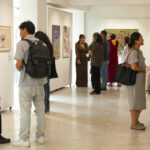
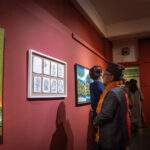
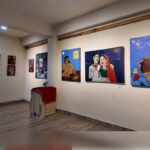
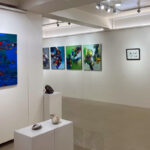
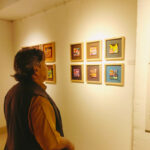

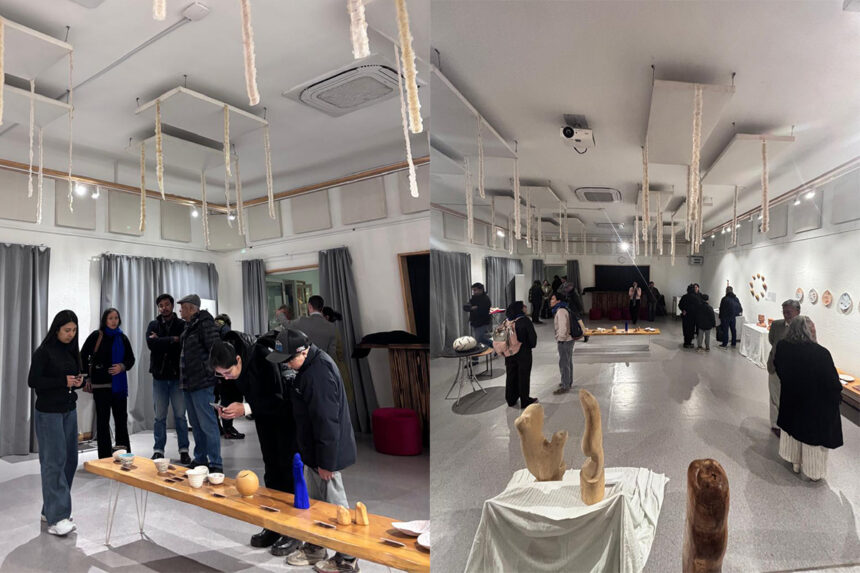
KATHMANDU — At Alliance Française Kathmandu, a quiet yet deeply resonant exhibition invites viewers to pause, look closely, and listen inward. Where the Lines Meet (December 12–19, 2025), a solo exhibition by Kathmandu-based artist Anmari Tamang, unfolds as a contemplative dialogue between tradition and the present moment, where cultural memory, Buddhist philosophy, and contemporary consciousness intersect with gentle clarity.
Trained in sculpture and holding a Master’s degree from Tribhuvan University, Tamang works across sculpture, ceramics, and illustration. Her practice is rooted in Tamang cultural heritage and personal experience, yet it reaches beyond the self, engaging collective identity, ethical inquiry, and the impermanent nature of life. Tradition, in her hands, is not a relic to be preserved behind glass but a living framework—one that adapts, questions, and breathes alongside modern uncertainty.
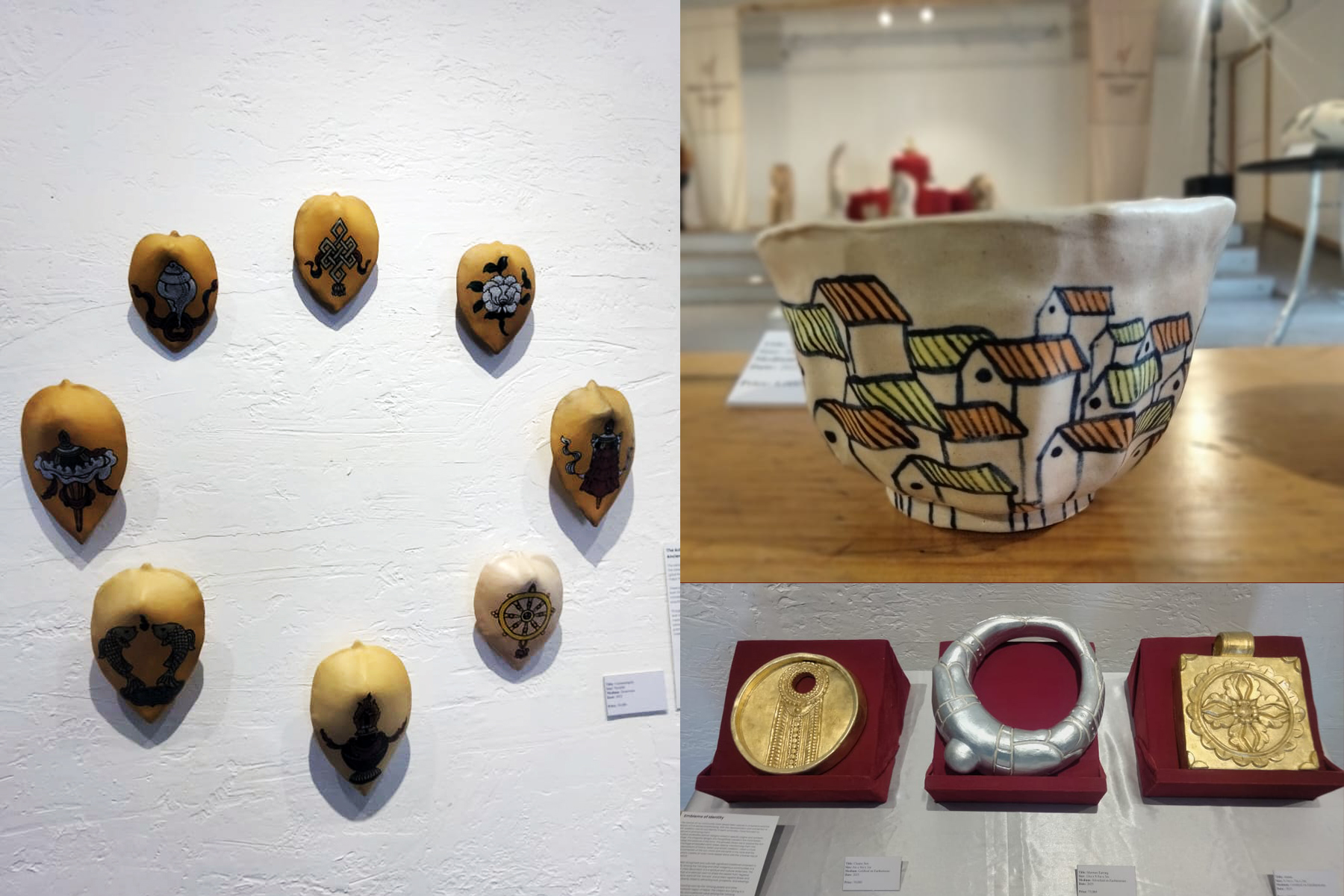
At the conceptual heart of the exhibition lies the Ashtamangala, the Eight Auspicious Symbols of Buddhist philosophy. Rather than presenting them as devotional icons, Tamang reimagines these symbols as subtle ethical guides for contemporary living. The Endless Knot gestures toward interdependence and moral responsibility; the Lotus emerges as clarity amid confusion; the Victory Banner speaks of triumph over inner conflict rather than external adversaries. Other symbols—the Wheel of Dharma, Treasure Vase, Golden Fish, Parasol, and Conch Shell—collectively suggest mindful speech, generosity, fearlessness, and value-based living in an age of distraction.
These ancient emblems, rendered with restraint and sensitivity, shed their didactic weight. They reappear as quietly persuasive forms, reminding viewers that inherited wisdom can still offer orientation in a rapidly accelerating world.
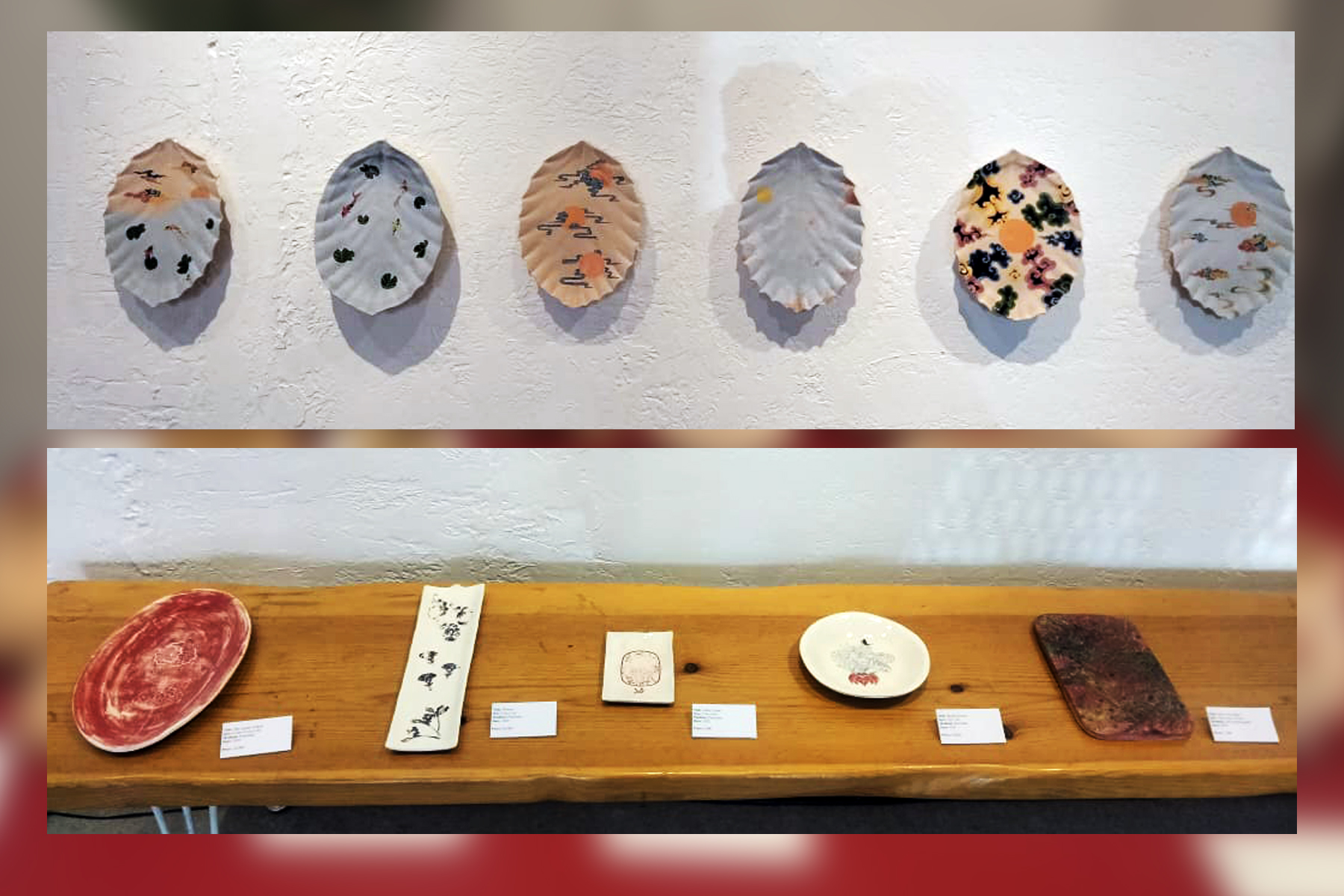
This interplay of continuity and change finds poignant expression in Just Another Fish Dreaming of the Sky. Drawing from the familiar metaphor of being “a fish in a pond,” the work transforms limitation into a space for reflection and growth. Clouds painted in the five sacred Buddhist colours drift across the composition, symbolising impermanence and the transient nature of thought. Above them, the sky represents the boundless, undisturbed mind.
Anchoring the piece is a bisque-fired ceramic leaf—pale, fragile, and intentionally unfinished. Its vulnerability mirrors the precarity of existence, reinforcing a Buddhist understanding of life as fleeting yet radiant. Together, the elements form a meditation on doubt, selfhood, and the possibility of clarity within uncertainty.
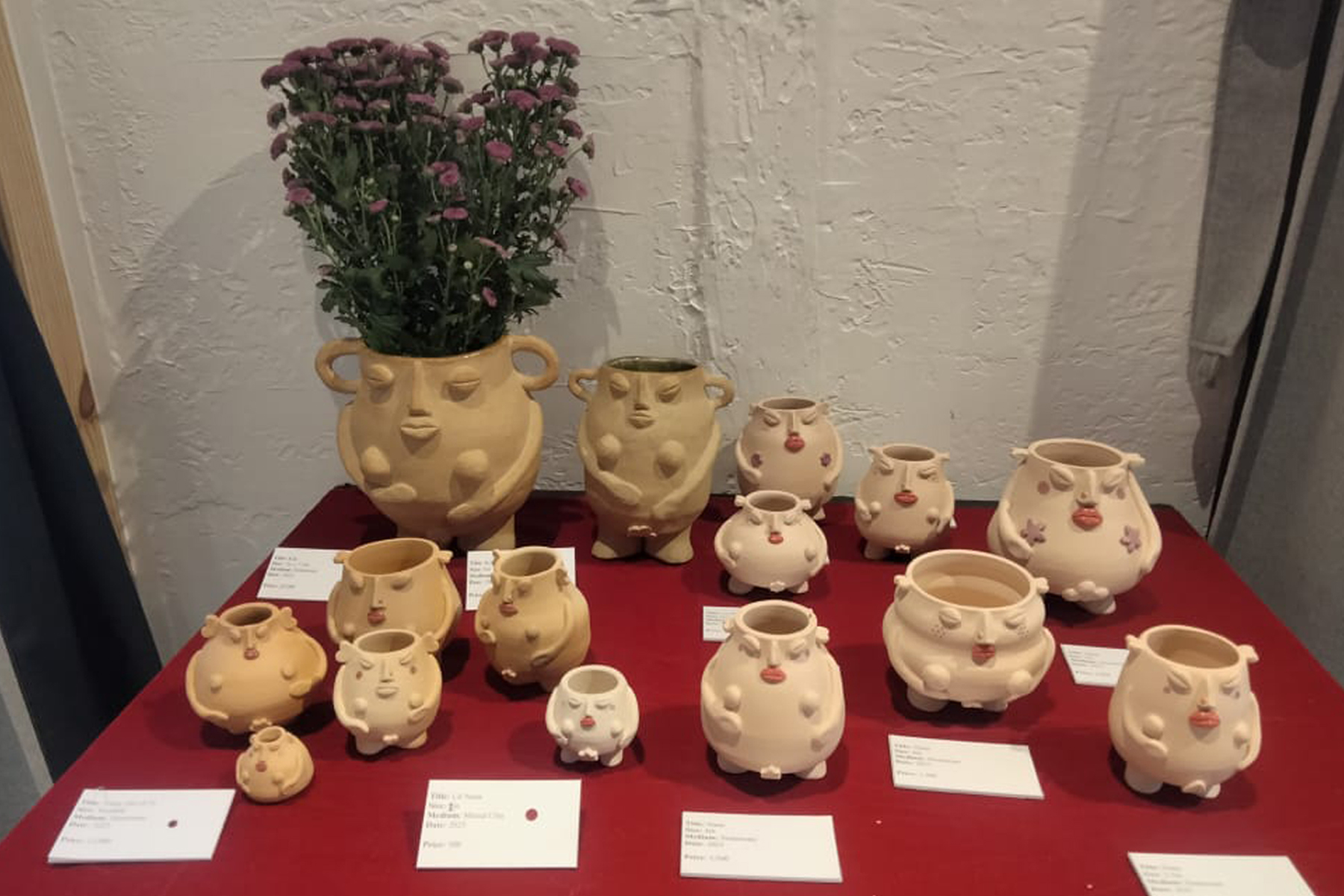
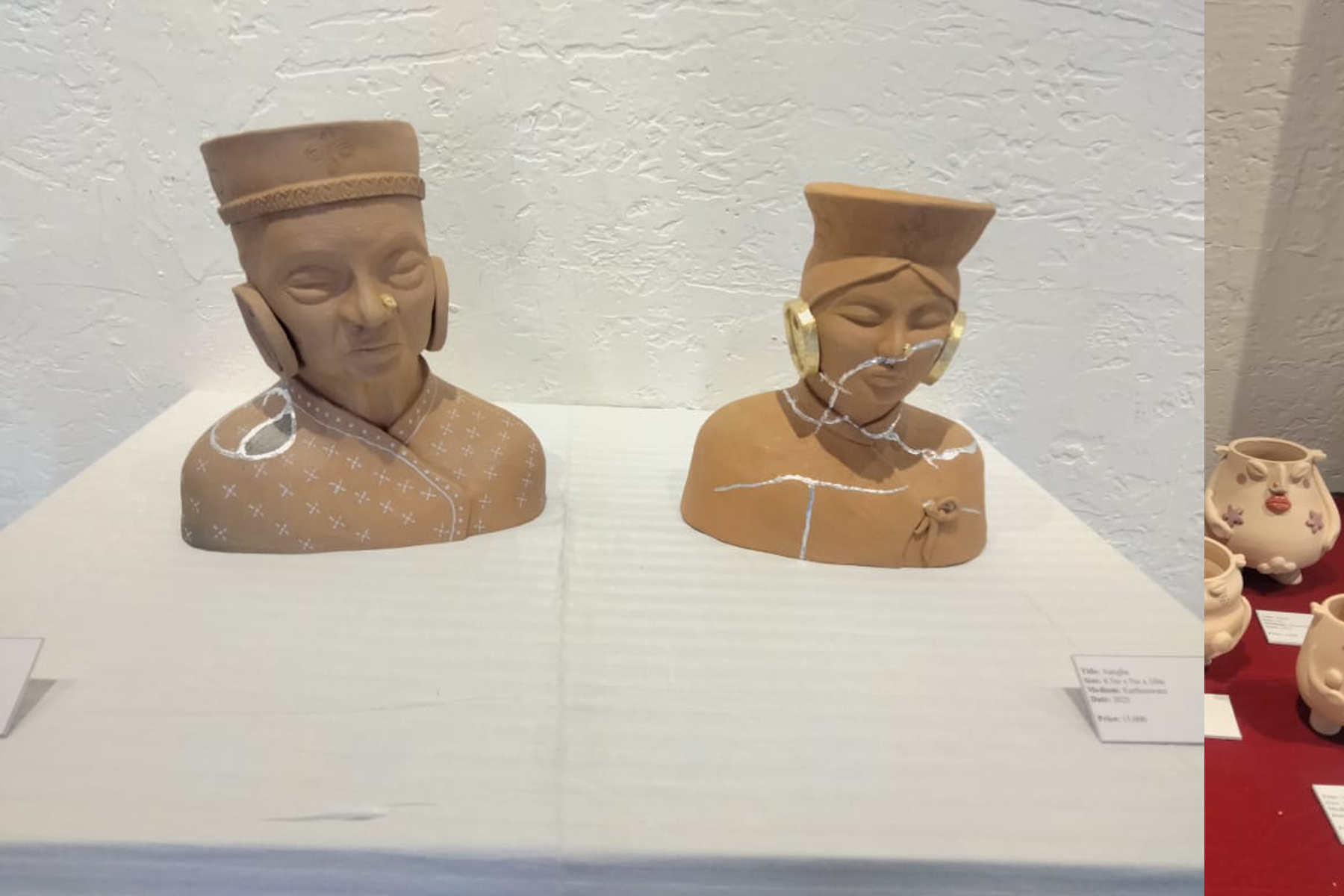
In the sculptural series Emblems of Identity, Tamang turns her gaze to the jewellery traditions of Tamang women. Ornaments inspired by the Jantar, Chepto Sun, and Marwari earrings—once worn during rites of passage such as marriage and adulthood—are translated into minimalist sculptural forms. Stripped of ornamentation yet rich in meaning, these works function as archives of belief, protection, and communal memory.
By abstracting these forms, Tamang avoids nostalgia. Instead, she foregrounds their symbolic endurance, tracing connections between celestial cycles, nature, and human life while questioning how identity is carried, safeguarded, and transformed across time.
The exhibition culminates in Koko Mhendo, a large-scale installation suspended from the ceiling. Inspired by the sacred flower central to Tamang rituals, the work fills the gallery with floating forms that evoke blessing, renewal, and spiritual protection. Traditionally used in life-cycle ceremonies, the flower’s natural process of transformation becomes a spatial experience, enveloping visitors in an atmosphere of quiet reverence and welcome.
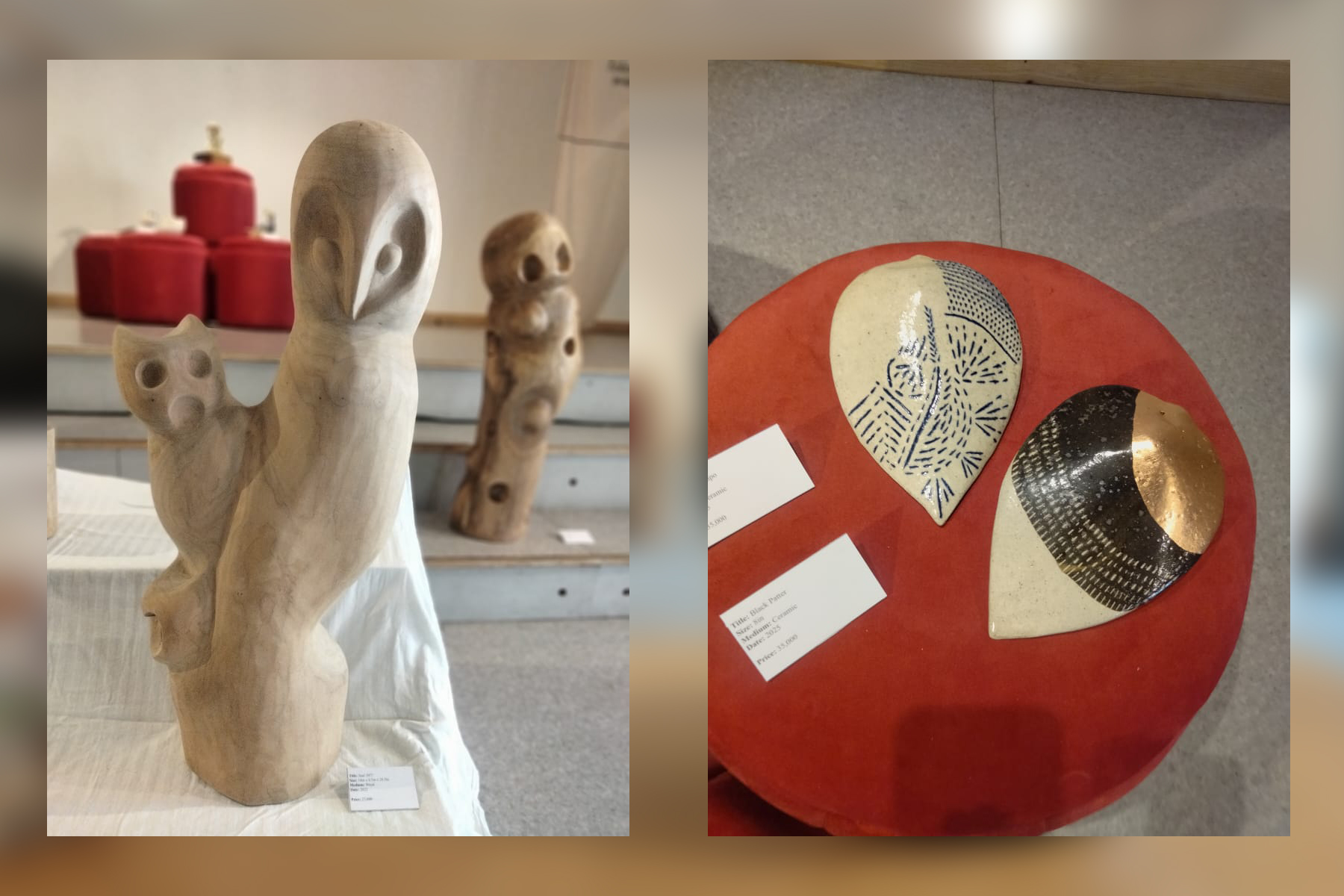
Tamang’s sculptural sensibility has been shaped not only by academic training but also by travel and collaboration. Journeys across Nepal—from rural villages and urban centres to the forests of the Terai—have informed her sensitivity to material, landscape, and site. Working alongside fellow artists, she has created site-responsive works from natural rock formations, allowing place and community to guide the creative process.
This openness to dialogue expanded internationally in 2022, when Tamang participated in the UNESCO-supported Traveling for Arts and Crafts Residency in Montpellier, France. During a four-month ceramic residency, she collaborated with local ceramists and institutions, engaging regional techniques and materials. The resulting works merge southern French ceramic traditions with Tamang cultural references, underscoring her commitment to cross-cultural exchange.
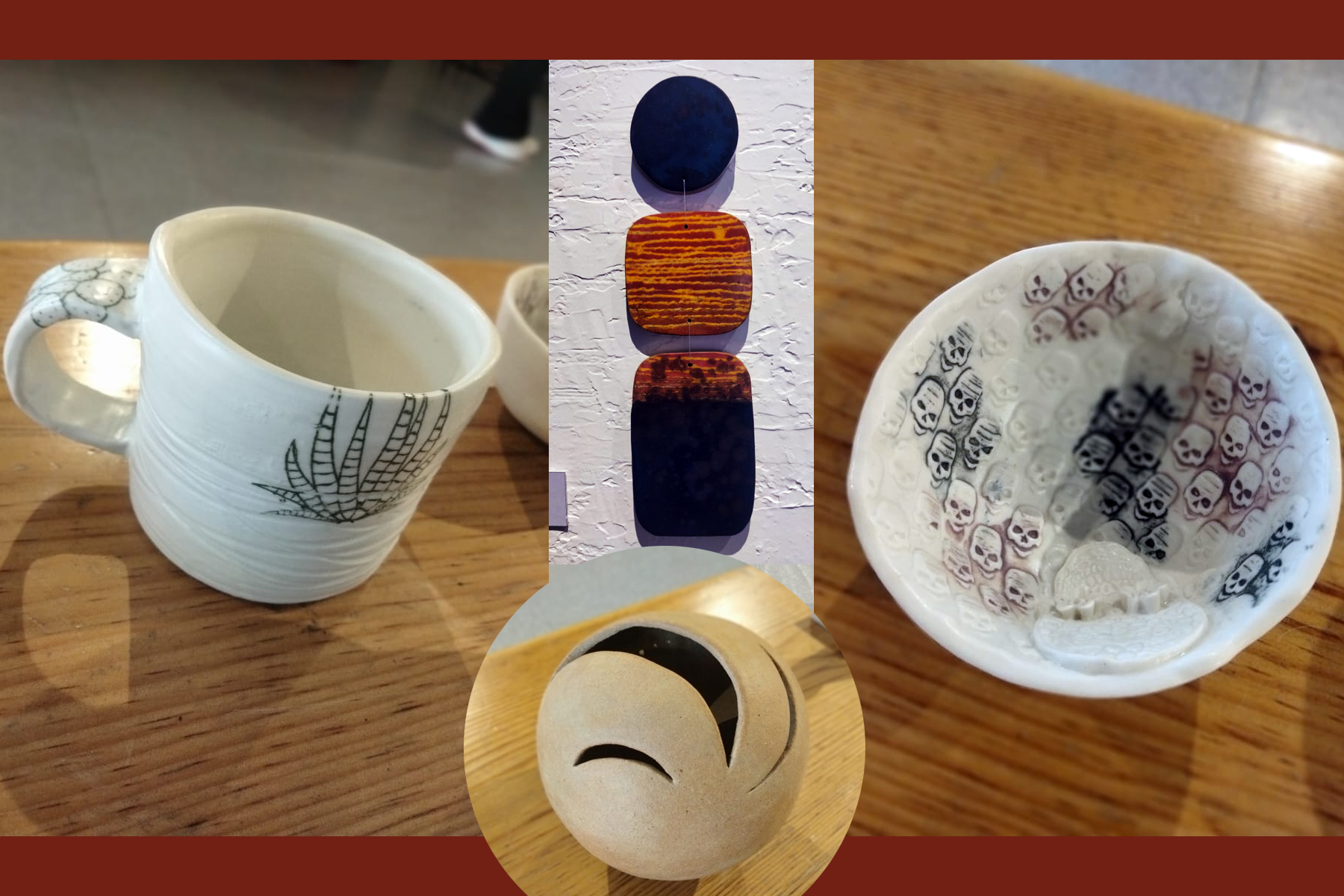
Beyond the gallery, Tamang’s practice also engages ecological memory. Drawing from family stories of Bhurjung Khola—“the River of the Owls”—near Pokhara, she reflects on a landscape once inhabited by the Eurasian Eagle Owl, now endangered in Nepal due to habitat loss, poaching, and ritual exploitation. Through art informed by oral histories, she positions creative practice as a form of witness—preserving memory while drawing attention to environmental fragility.
Where the Lines Meet does not announce itself with grand proclamations. Instead, it unfolds slowly, inviting attentive engagement with symbols, materials, and stories. Here, tradition and contemporary reflection coexist not in tension, but in thoughtful conversation. Anmari Tamang’s work suggests that identity—like art itself—is never fixed, but continually in the process of becoming.

Leave A Comment