

For generations, women have carried the weight of being left behind, watching opportunities slip through their fingers while male supremacy dictated the course of their lives. This imbalance seeped into every aspect of society, including the world of art, where women were often overshadowed, their voices muted, their stories left unheard. Their struggles, joys, sorrows, and triumphs remained unseen—experiences that men could never fully grasp. And so, women turned to art, using it as a language of resilience, a medium through which they could finally be understood.
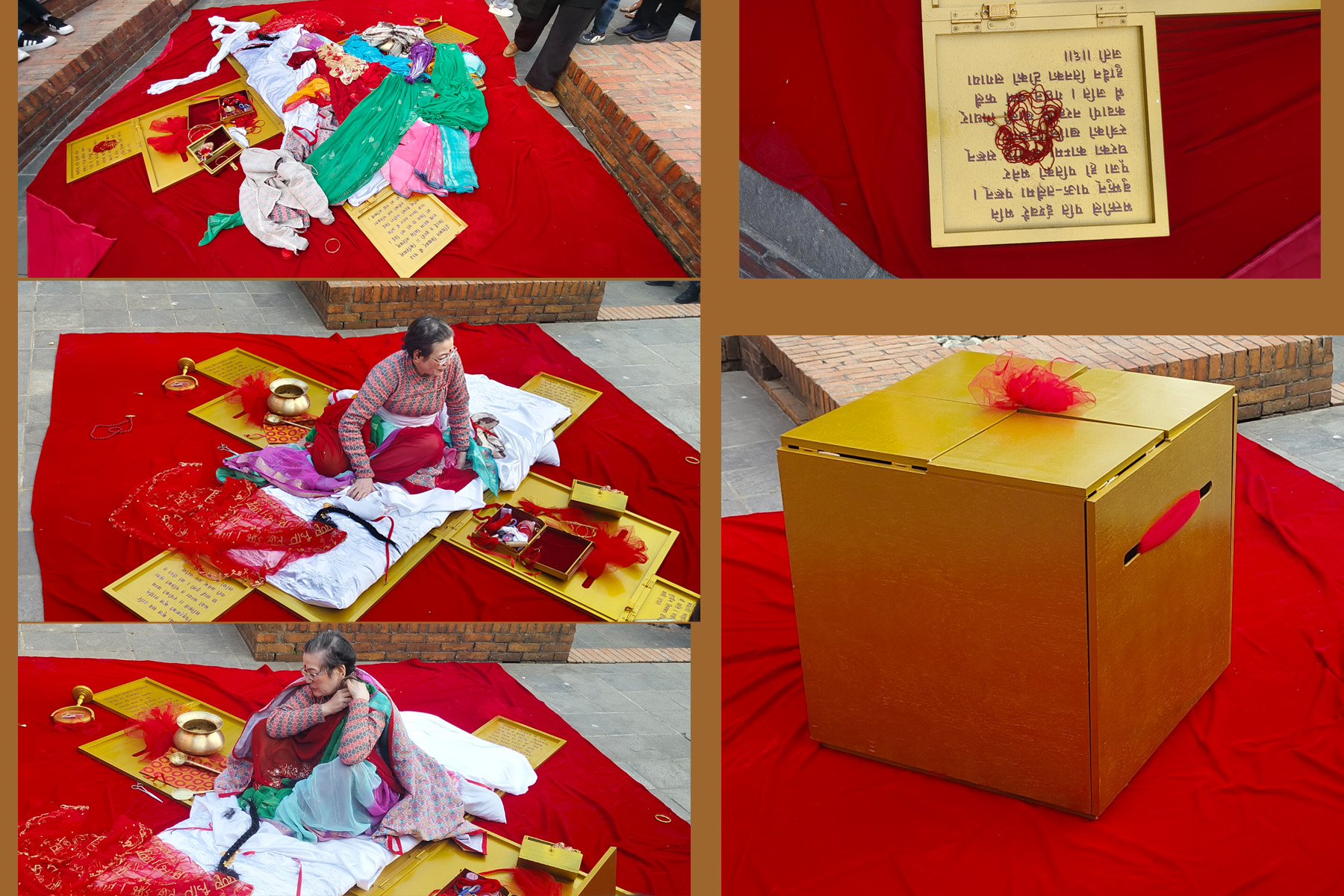
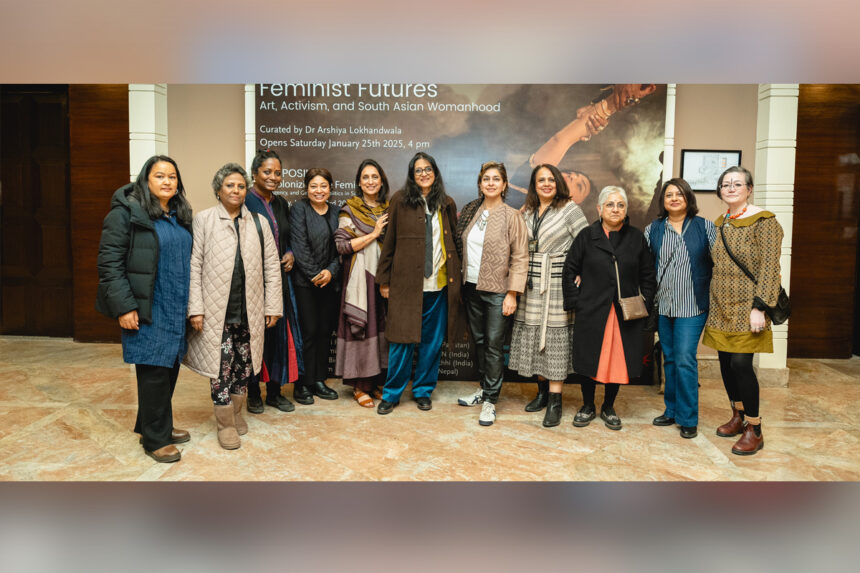
Today, women across South Asia stand stronger than ever, unafraid to reclaim their narratives and carve their rightful place in the art world. Beginning January 25th, their most powerful works are on display at the Taragaon Next—each piece a bold statement, a testament to art’s ability to challenge norms and transform perspectives. The exhibition opened with an electrifying performance by Ashmina Ranjit, one of Nepal’s most fearless feminist artists, setting the stage for a movement that is not just about art, but about liberation, visibility, and the unapologetic expression of womanhood. Her creations are more than just art—they are mirrors reflecting the buried truths of society, unsettling yet necessary. In her recent performance, she dared to unravel the deeply ingrained perceptions of womanhood, drawing from the revered but rigid verses of the ancient scripture Ramayan.
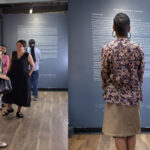
With haunting intensity, she laid bare how these sacred texts have long portrayed women as fragile beings, forever tethered to dependence, their worth measured by their obedience and sacrifice. Surrounding her bed—her supposed sanctuary—were verses that whispered and echoed the suffocating narratives imposed upon generations of women. The bed, instead of offering rest, became a prison, its walls built from words that confined, controlled, and dictated their fate. Through her performance, Ashmina did not merely challenge tradition; she demanded a reckoning, forcing the world to confront the invisible chains that still bind women today.
The bed, once a place of rest, was reshaped into a confining box—ornate on the outside but suffocating within, trapping women in the rigid constraints of outdated traditions and societal expectations. Inside, the air was heavy with silence, with the weight of customs that had long stifled their voices. But as the box creaked open, it was more than just a physical unveiling; it was a powerful rebirth. A new woman emerged—one who could finally laugh without restraint, cry without shame, and express herself without fear.
With each crack of the breaking box, Ashmina shattered the chains of generations-old oppression, defying the belief that women must remain silent, unseen, and confined. Her performance became a declaration of freedom. As she peeled away her traditional attire, she was shedding more than just fabric—she was shedding the expectations imposed upon her. Dressed in black, she stood tall, a striking symbol of transformation, of liberation. She was no longer bound by rules that dictated how she should walk, speak, or exist. She was free.
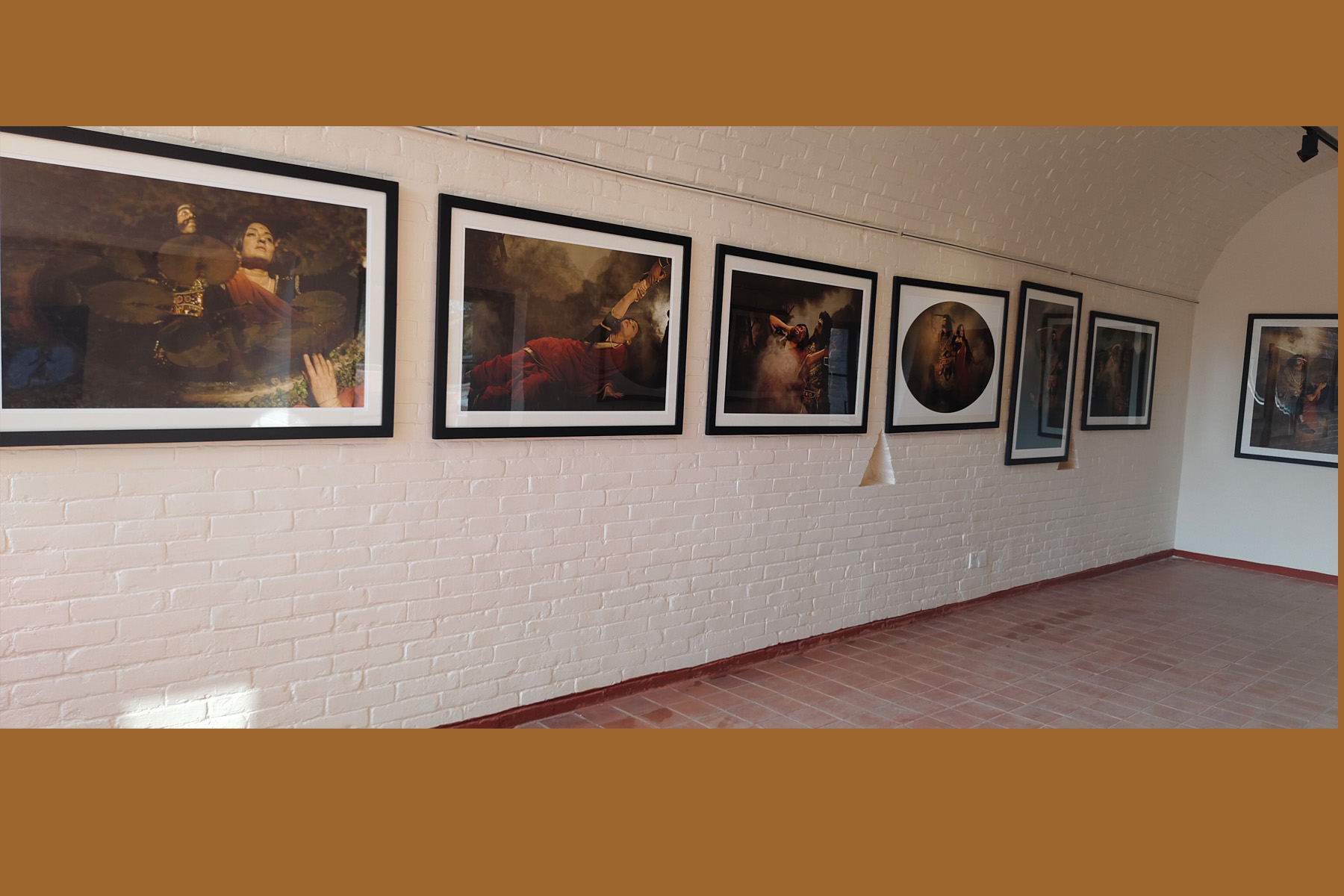
Among the most striking works in the exhibition was Pushpamala N.’s reimagining of a pivotal moment from the Ramayan—the abduction of Sita by Ravan. But in her hands, this well-worn tale was no longer just mythology; it became a visceral, deeply human experience. Her photographs, reminiscent of cinematic stills, did not merely depict the event—they breathed life into Sita’s emotions, capturing her fear, defiance, sorrow, and silent strength. Each frame felt like a heartbeat, pulling viewers into her world, leaving them spellbound by the rawness of her journey.
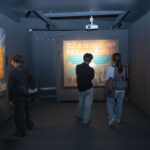
Complementing this powerful retelling was a gripping video installation that brought Ravan into sharp focus. Scene after scene showed him wielding a sword, his presence looming large, adding layers of tension and complexity to the narrative. The interplay of movement and stillness, vulnerability and power, made the entire piece not just an artwork but an experience—one that lingered long after the viewer had walked away.
Tayeba Begum Lipi’s contribution to the exhibition was nothing short of breathtaking—a striking installation of oversized safety pins, an everyday object infused with extraordinary meaning. For generations, safety pins have been a silent companion to women, tucked away in folds of fabric, serving not just as practical tools but as discreet weapons of defense against unwelcome hands and lurking dangers.
For Lipi, this object is deeply personal. Her work pulses with the memory of a moment when she, as a young girl, used a safety pin to fight back against an abuser—an act of quiet defiance, small yet immense in its significance. Through her art, she takes this unassuming piece of metal and elevates it into a symbol of resilience, resistance, and survival. Each oversized pin stands as a testament to the strength embedded in the everyday, a reminder that even in the most vulnerable moments, women have always found ways to protect themselves. Nostalgia and power intertwine in her creation, leaving an unshakable impact on those who witness it.
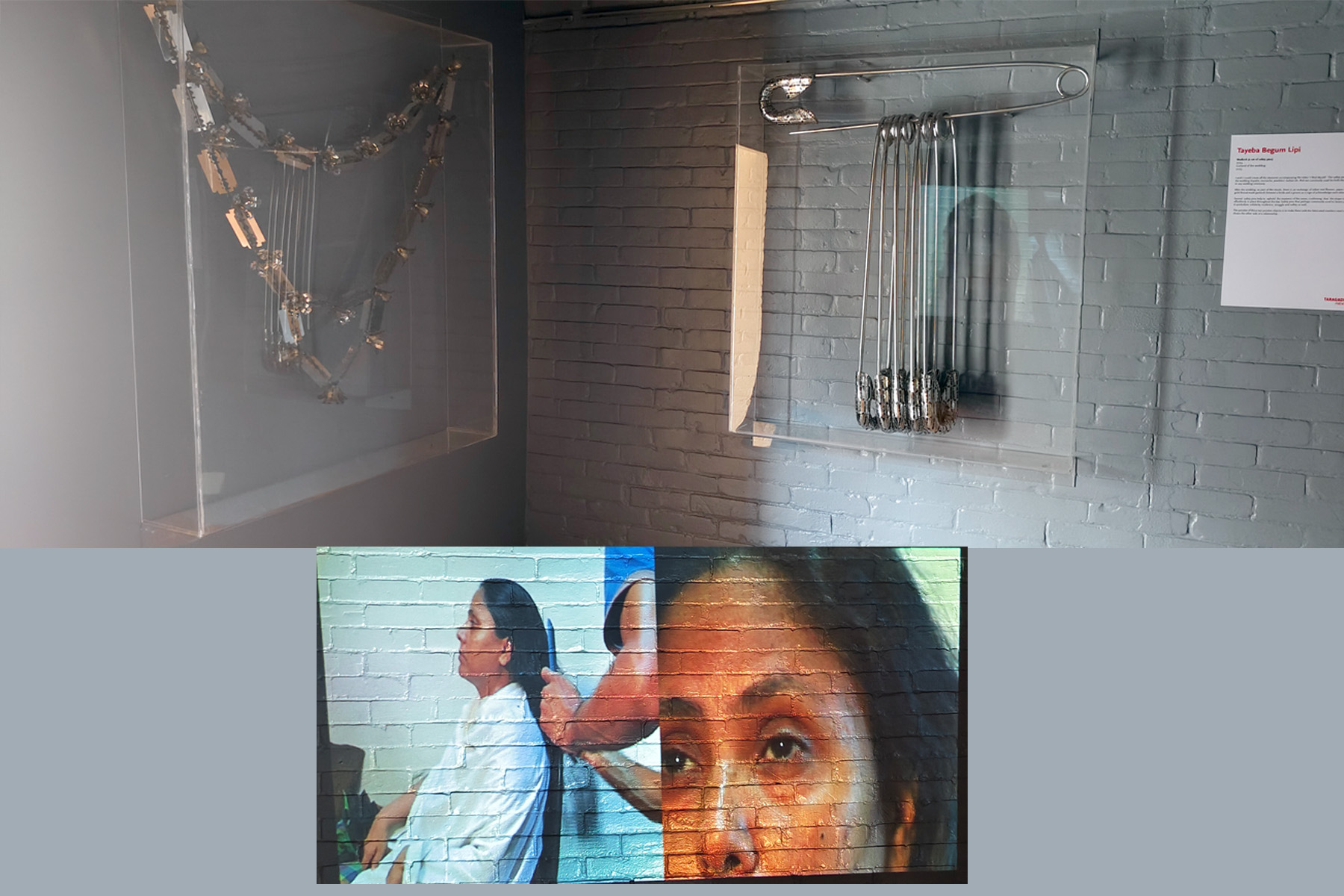
Likewise, the mangalsutra, a sacred necklace worn by married women, carries deep-rooted significance in Hindu communities, symbolizing devotion and marital commitment. But for the artist, it was not a mark of love—it was a chain of expectations, a silent reminder of gender inequality that diminished her identity as a woman. Just as Tayeba Begum Lipi transformed the safety pin into a symbol of resistance, she reimagined this emblem of tradition into something far more striking.
In her hands, the delicate beads and gold links gave way to a string of razor-sharp blades—a chilling yet powerful statement on the oppressive weight of societal norms. Each blade gleamed with unspoken pain, with stories of sacrifice, with the quiet fury of generations. Her creation was not just an artwork; it was an act of defiance, a rebellion against the invisible bonds that have long held women captive. Through her piercing transformation, she challenged the very traditions that sought to define and confine her, turning an object of subjugation into one of strength and unyielding resilience.
Similarly, photographer Uma Bista’s work stands as a haunting yet powerful testament to the silent suffering endured by women. Much like Tayeba Begum Lipi’s transformed safety pins and the reimagined mangalsutra, Bista uses her art to expose the brutal realities of oppression. She journeyed deep into Nepal’s remote far-western region, where an age-old tradition, chaupadi, still forces menstruating women into isolation, banishing them to cow sheds for four agonizing days. In these dark, desolate spaces, women are left vulnerable—many falling prey to snake bites, extreme cold, or fatal illnesses, their deaths becoming mere footnotes in a tradition that refuses to fade.
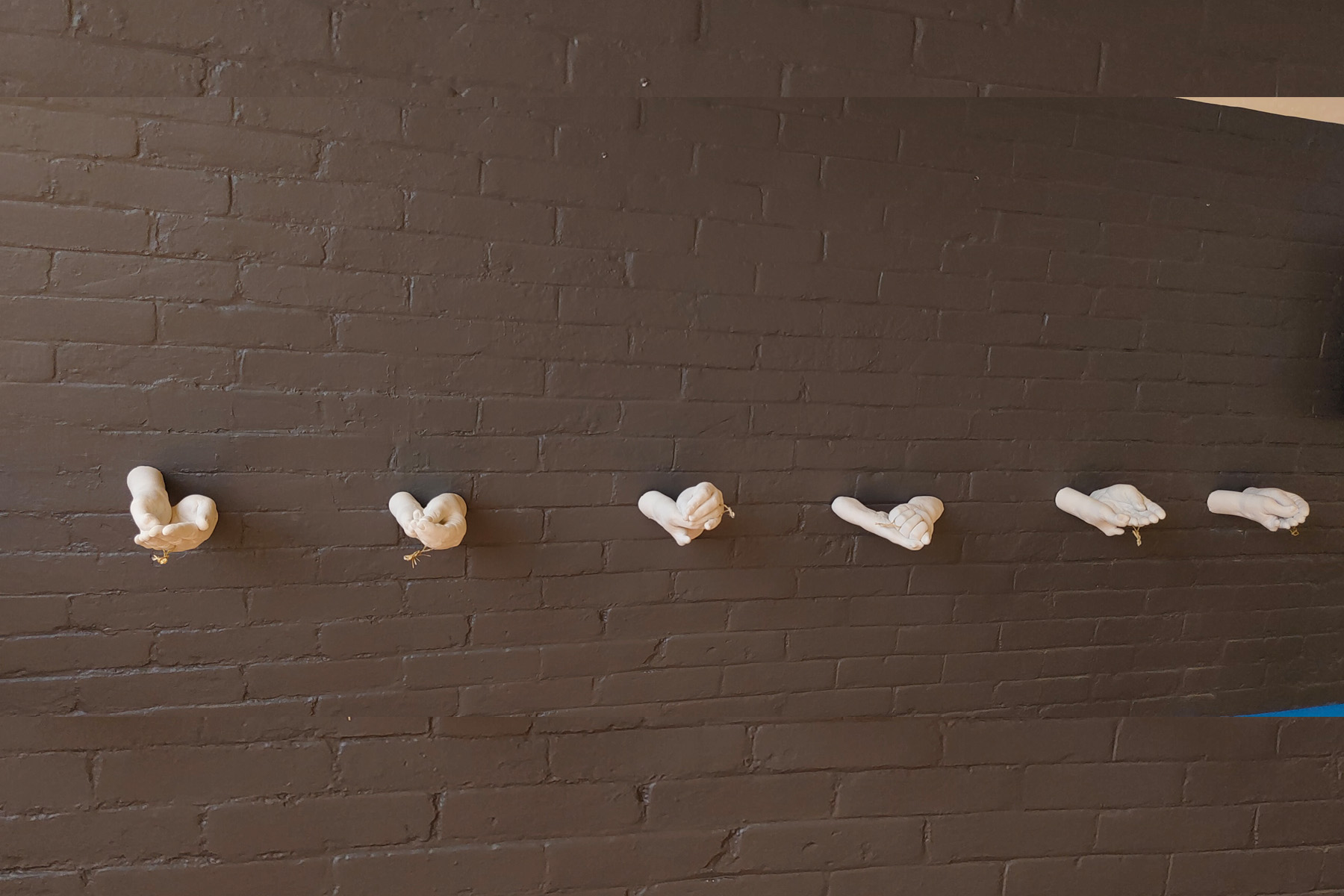
Bidhata KC, a bold and uncompromising feminist artist, does not merely capture images—she sears raw, unvarnished truths into the soul. Each photograph pulses with the weight of suffering and the unbreakable spirit of survival. The women she portrays—bodies bruised by injustice, eyes heavy with sorrow yet ablaze with unspoken defiance—now stand unshaken in the gallery, demanding to be seen, to be heard. Her art is not just a chronicle; it is a reckoning. A voice for the silenced. A rebellion against erasure. Through her lens, she forces the world to confront a brutal tradition that still steals lives, transforming her work into both testimony and a weapon for change.
In the wake of her father’s passing, Bidhata shattered another chain of oppression. She stepped forward to perform the sacred rites of remembrance—a role bound by patriarchal decree to men alone. In that moment, she did more than honor her father; she defied centuries of exclusion, unraveling the very fabric of gendered tradition. With every frame she crafts, every story she unveils, she demands a world where dignity knows no gender, where equality is not a plea but an unshakable truth.
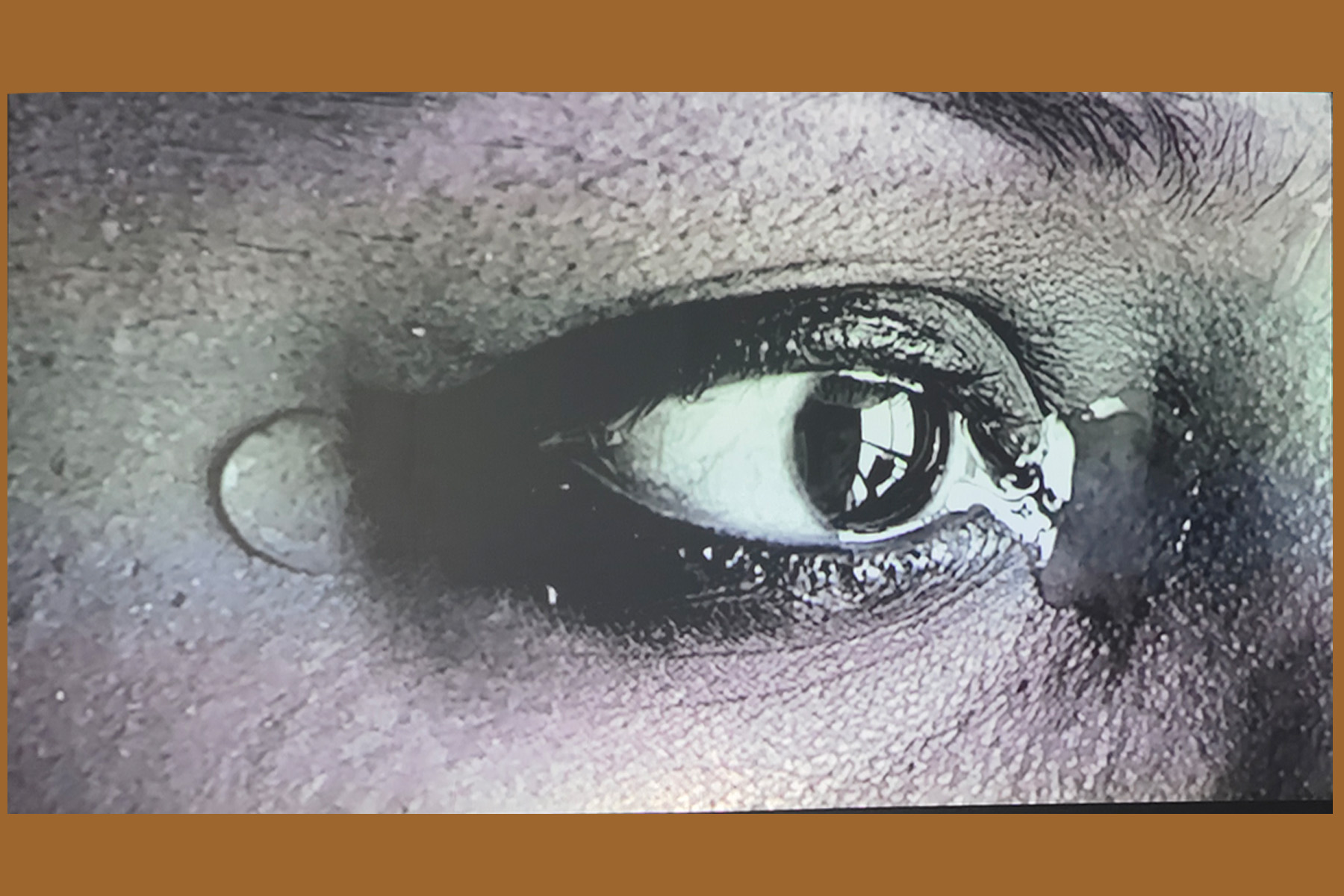
Women have long been seen as fragile, their sorrow measured by the tears they shed. But artist Mithu Sen shatters this illusion, exposing a deeper, more haunting truth. When grief gripped her—piercing, relentless—after losing a loved one, no tears came. The pain swelled within her, raw and suffocating, yet her eyes remained dry. This aching silence became the soul of her video installation—tearless eyes staring into the void, brimming with unshed sorrow. In their stillness, they scream. In their emptiness, they mourn. Through her work, Sen challenges the world’s expectations, revealing that anguish is not always wet with tears—sometimes, it is the quietest suffering that cuts the deepest.
Anita Dube turns votive eyes into silent rebels, piercing through the façade of institutional power. In her photographs, these unblinking gazes do not just witness—they confront, they challenge, they demand. Her work is an unrelenting call to dismantle the rigid, male-dominated structures that have long dictated society’s course. With each image, she ignites a quiet revolution, pushing for a world where power is not hoarded but reimagined—where change is not a plea but an unstoppable force.
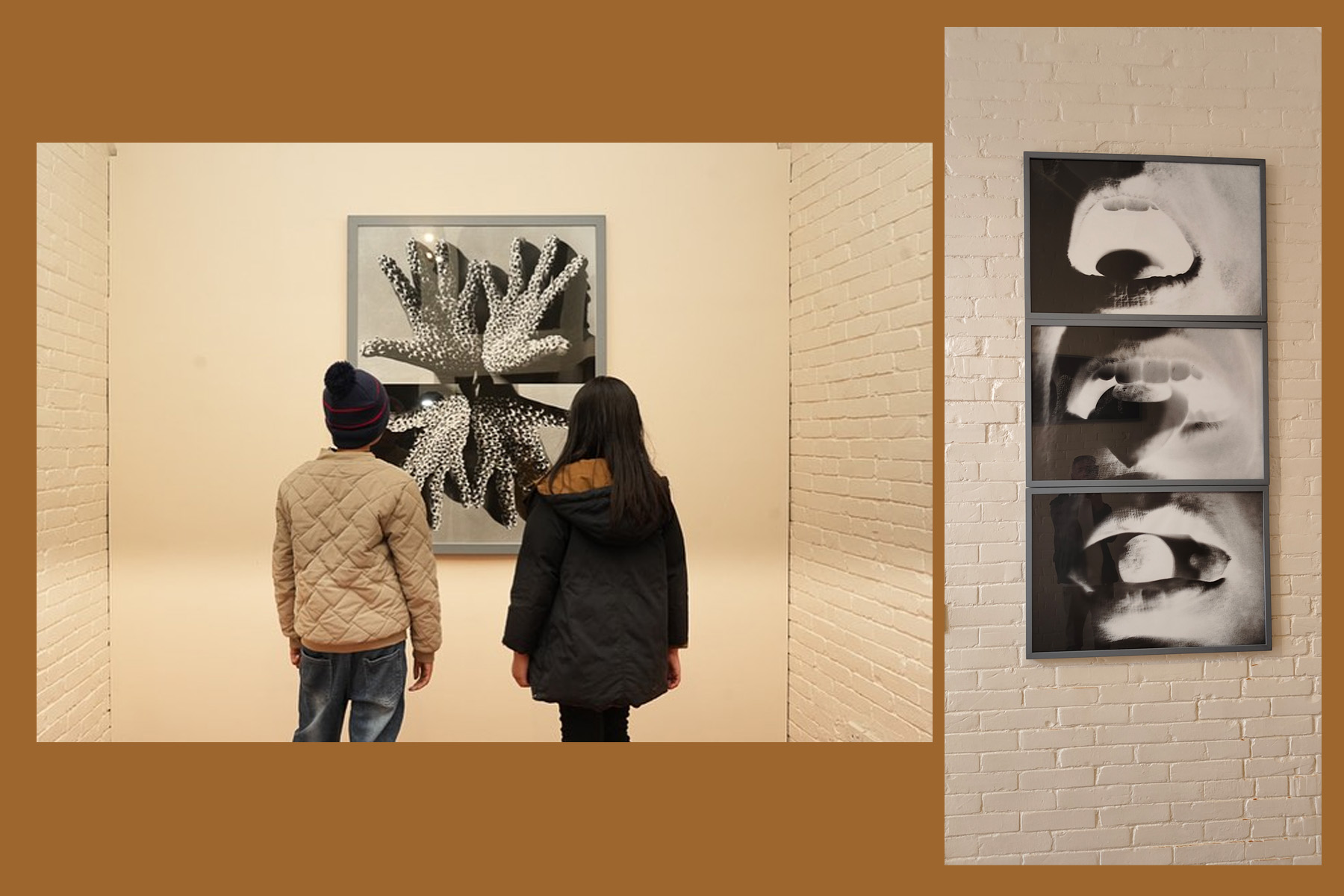
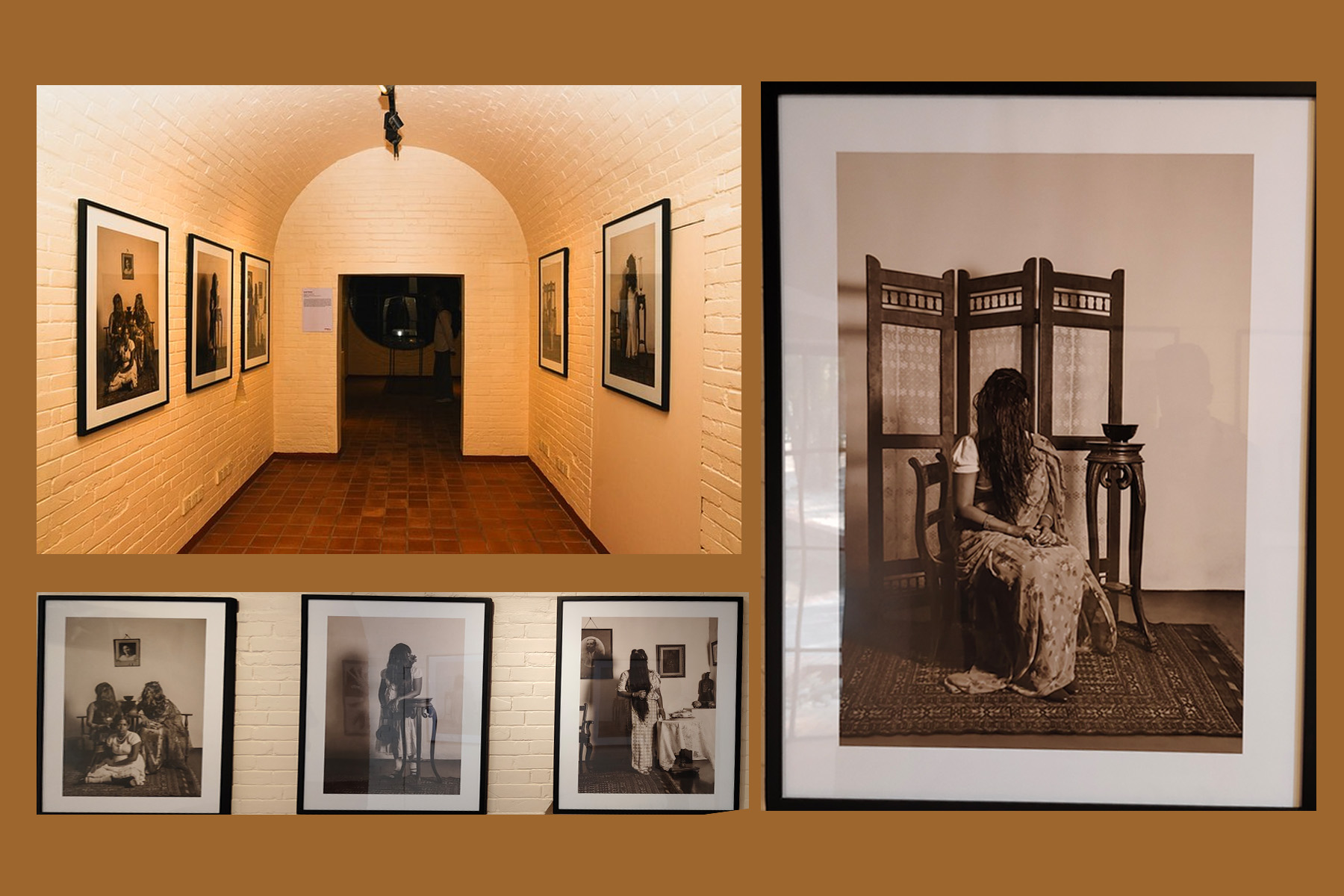
Anoli Perera weaves defiance into every strand of her Protest Series, where hair—so often bound by convention, controlled by the male gaze—becomes an unyielding symbol of resistance. In her hands, it is no longer just a personal attribute but a fierce declaration of autonomy, a rebellion against the forces that seek to define and diminish women. With each strand, she unravels oppression, reclaiming space, voice, and power. Her work does not whisper—it roars, demanding that female agency be seen, heard, and reckoned with.
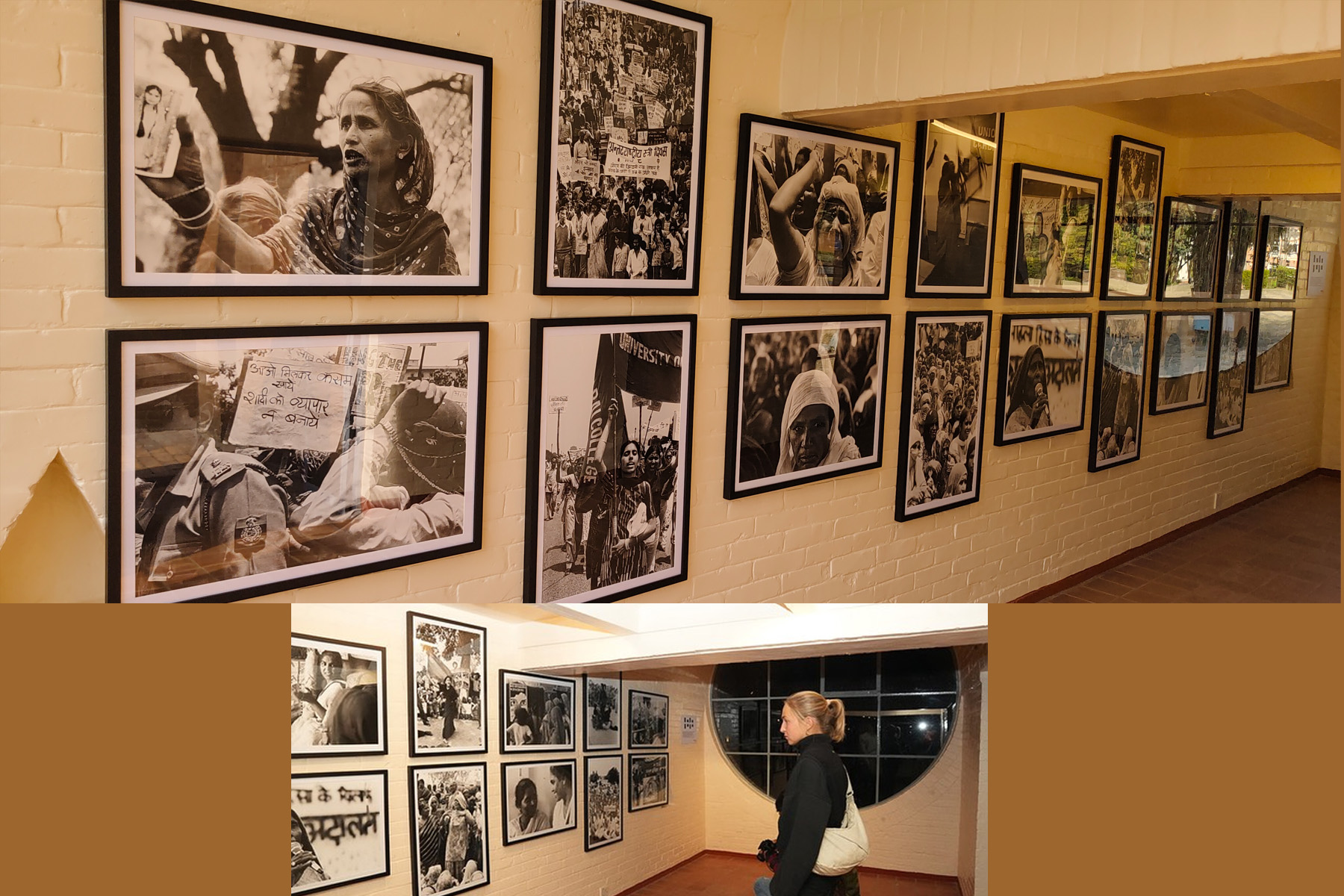
Sheba Chhachhi casts a fearless feminist gaze upon the pulse of urban spaces in her photographic series From the Barricades. Her images are not just frames; they are echoes of a revolution, breathing life into the spirit of the women’s movement in 1980s and 1990s India. Each photograph is a battle cry, a testament to defiance, capturing the fire of those who dared to rise.
In her video installation, bodies move in a poetic struggle—fluid yet restrained, weaving yoga and dance into a visual symphony of resistance. Here, autonomy and control collide, twisting and untangling in an unspoken war. Chhachhi does not merely document; she conjures a living memory, demanding that history—and the fight for freedom—never be forgotten.
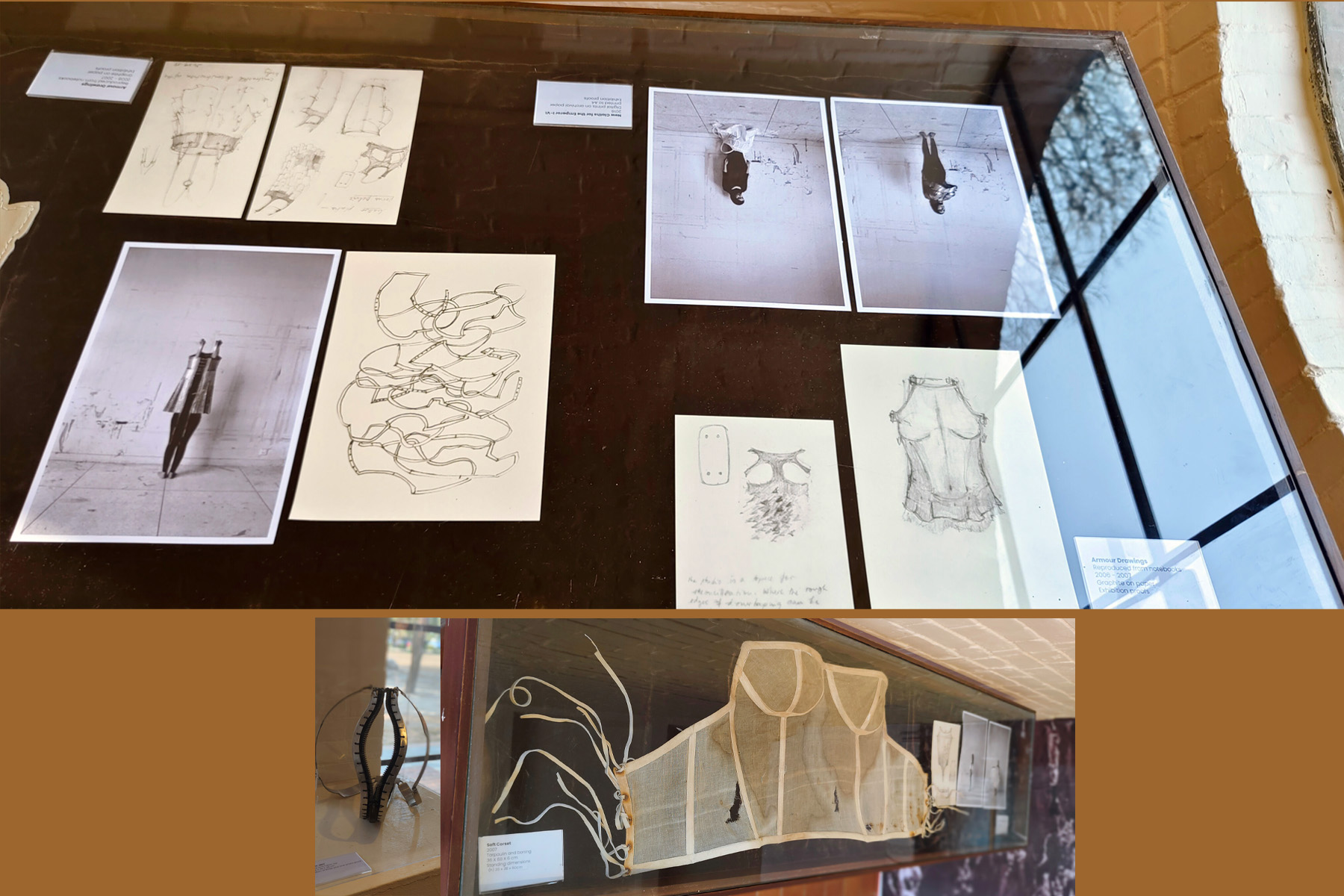
Naiza Khan’s art is a tapestry of memory, identity, and resistance, where tradition and self-expression collide in breathtaking harmony. Draped in the elegance of traditional dresses, she steps into her own self-portraits—not just as an artist, but as a living archive of feminine beauty and cultural heritage. Her work is more than adornment; it is a reclamation, a meditation on the body as both a site of history and a battleground of power.
Through an unflinching feminist lens, Khan dissects the politics of embodiment, exposing how gender is celebrated, controlled, and commodified. She unravels the intricate threads of race, class, and sexuality, mapping the unseen forces that shape women’s existence. Her multi-disciplinary practice—spanning drawing, archival research, film, and documentation—transforms embodiment, ecology, and geography into interwoven narratives of power and memory. Her work has resonated across prestigious exhibitions, from Sharjah Biennale 15: Thinking Historically in the Present (2023) to Monsoonal Multiplicities (London, 2021) and Between the Sun and the Moon at Lahore Biennale 02 (2020). Through each piece, Khan does not just preserve history—she redefines it.
The soul of this exhibition is shaped by the visionary touch of Dr. Arshiya Lokhandwala, a trailblazing Indian curator and the founder of Mumbai’s iconic Lakeeren Art Gallery (1995–2003). With a keen intellect and an unyielding passion for art that challenges, disrupts, and redefines, she weaves a powerful, thought-provoking narrative into this showcase. Her curation is not just an arrangement of works—it is a dialogue, a force that compels reflection, ignites conversation, and amplifies voices that refuse to be silenced.
A groundbreaking moment in the South Asian art scene, this exhibition is a testament to the power of feminist voices, brought to life under the visionary initiative of the SARAF Foundation. More than just an art show, it is a movement—an unflinching declaration of resistance, identity, and transformation. Namita Saraf, director of Taragaon Next and founder of the SARAF Foundation, captures its significance: “This exhibition is not just an event; it is a landmark for feminist perspectives in Nepal and a defining milestone for the entire South Asian feminist art community.” Here, history is being made—boldly, unapologetically, and with an urgency that demands to be seen, heard, and felt.

Leave A Comment