

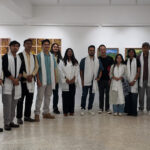





On November 27, the Kathmandu Art Gallery—working in graceful harmony with Siddhartha Art Gallery-unveiled its latest offering: Aura of Togetherness, a luminous solo exhibition by artist Sabita Dangol. Emerging like a quiet dawn in the city’s artistic landscape, the exhibition marked the second major showcase within the gallery’s newly opened Babarmahal space. The inauguration drew an intimate yet vibrant gathering of artists, cultural custodians, and members of the press, each carrying their own anticipation into the unfolding evening.
Gallery founder Sangeeta Thapa opened the program with a thoughtful reflection on the evolving pulse of contemporary art. She spoke of its power to shape cultural conversations, to challenge and heal, to reveal what often remains unspoken. With gentle conviction, she described Aura of Togetherness as an invitation- a call for viewers to contemplate the threads of interconnectedness, the layers of shared memory, and the subtle collective rhythms that tether communities to one another. Through her words, the exhibition’s essence shimmered even before the artworks themselves came into view.
Chief Guest Charu Chadha, Editor of Business 360 and Editor-at-Large of WOW, stepped forward with the eloquence of someone who has long observed the heartbeat of Nepal’s cultural sphere. She spoke of her early days as a young reporter navigating art openings, studio visits, and cultural dialogues- experiences that, over time, stitched together her understanding of Nepal’s ever-evolving creative landscape.
In a gesture both graceful and intimate, she then recited a contemplative poem on togetherness. Her voice carried a quiet depth, each line unfolding like a soft echo across the gallery walls. For a brief, transcendent moment, the room stilled; her words settled into the audience like warm light, perfectly mirroring the exhibition’s spirit of unity, shared journeys, and collective reflection.
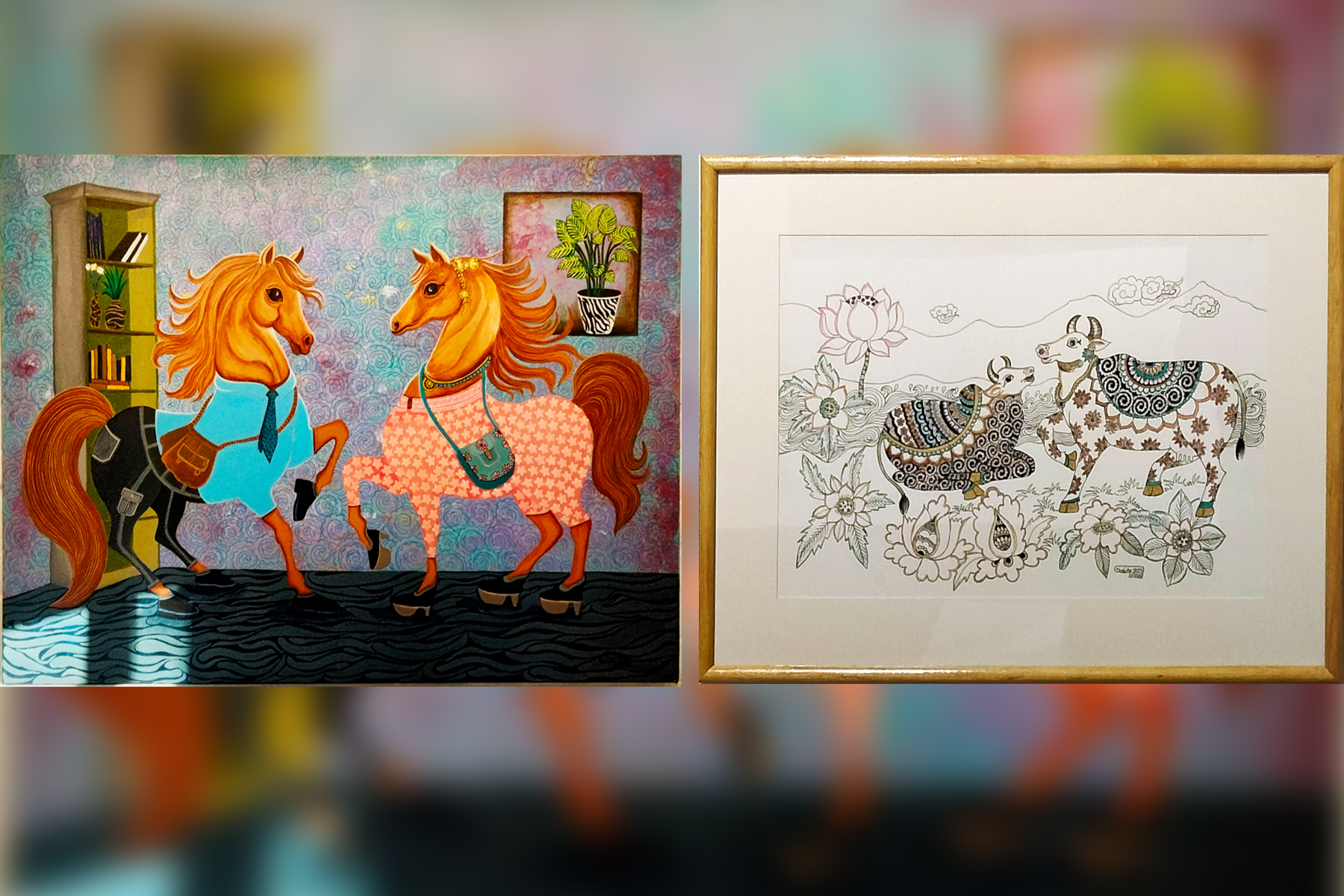
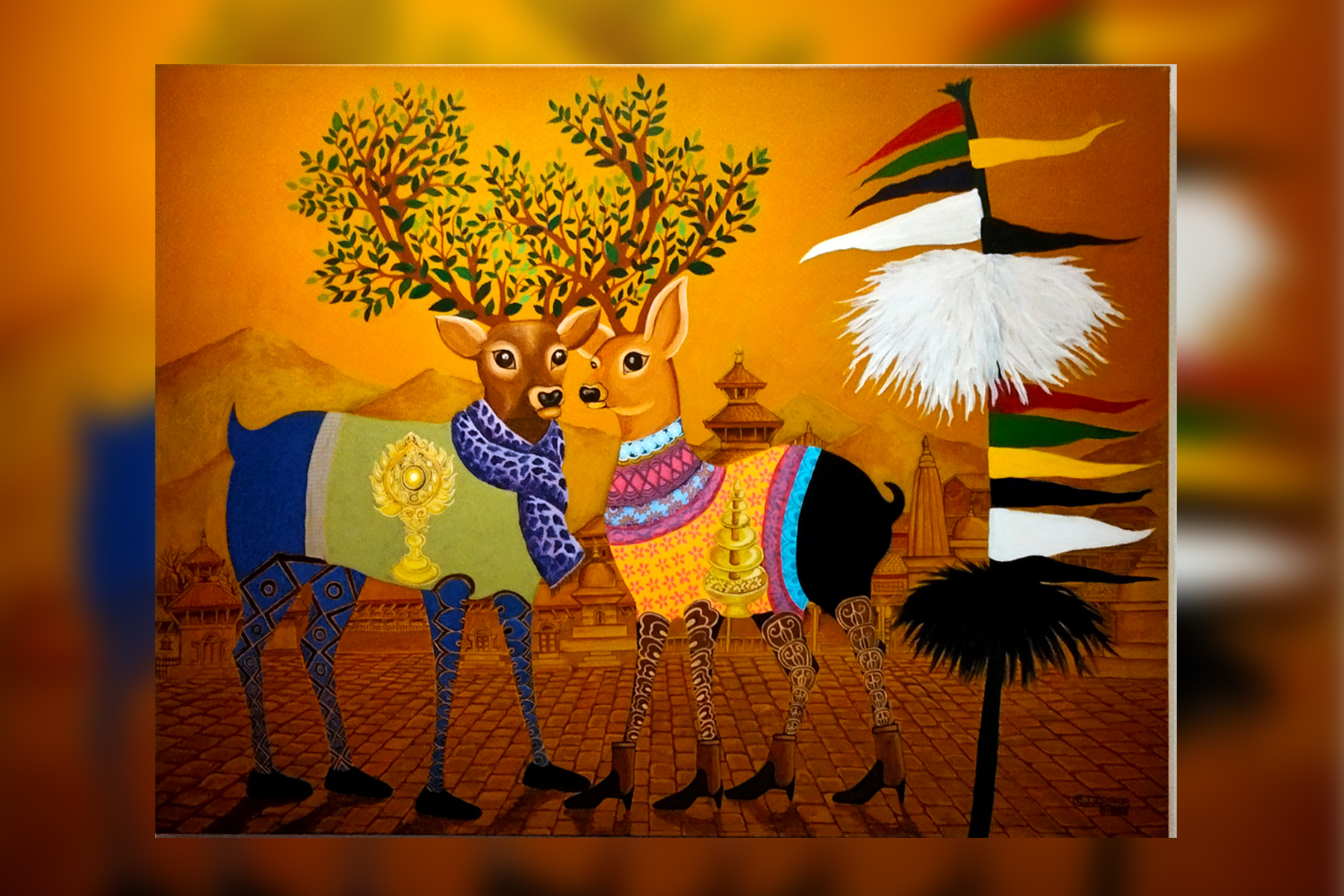
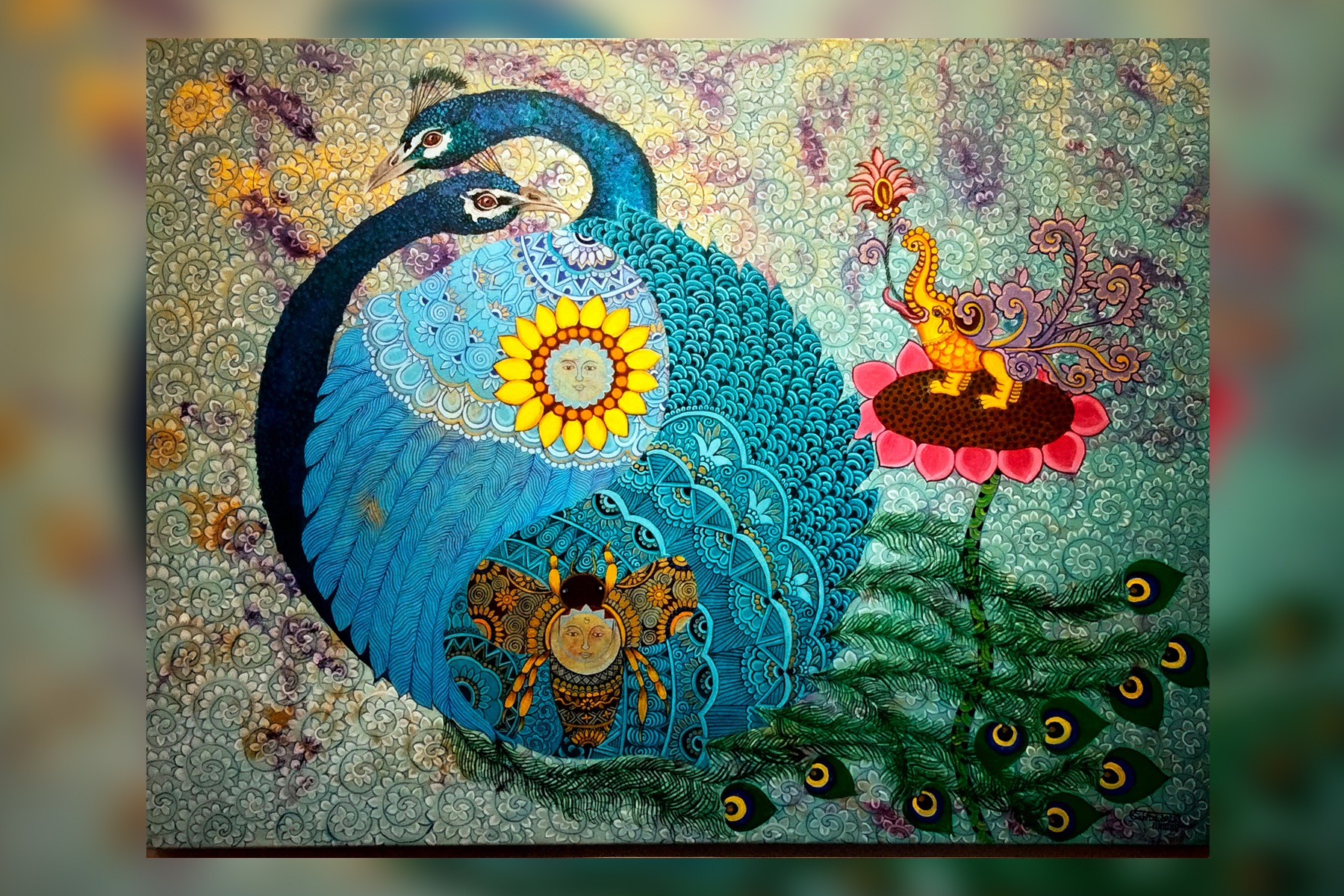
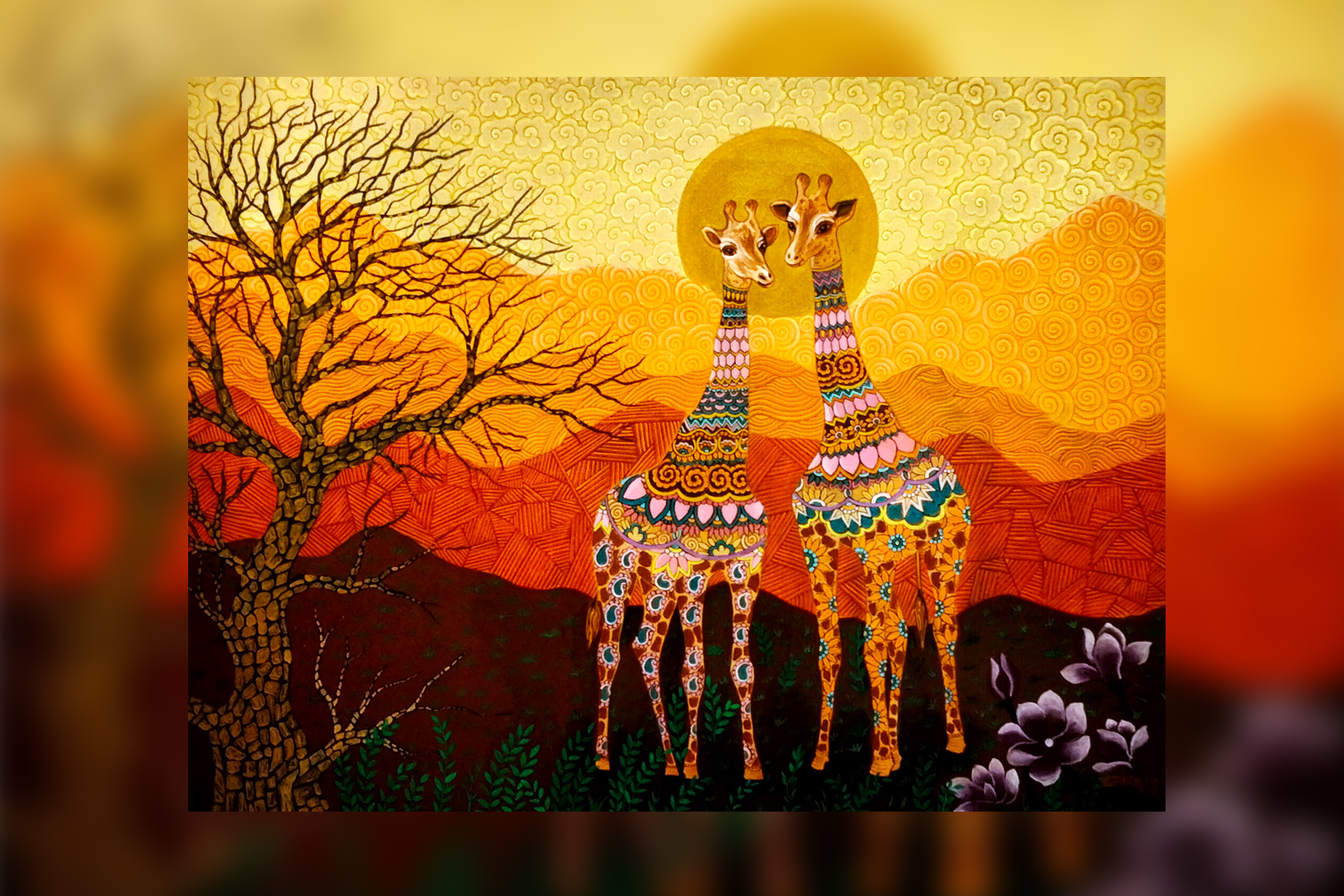
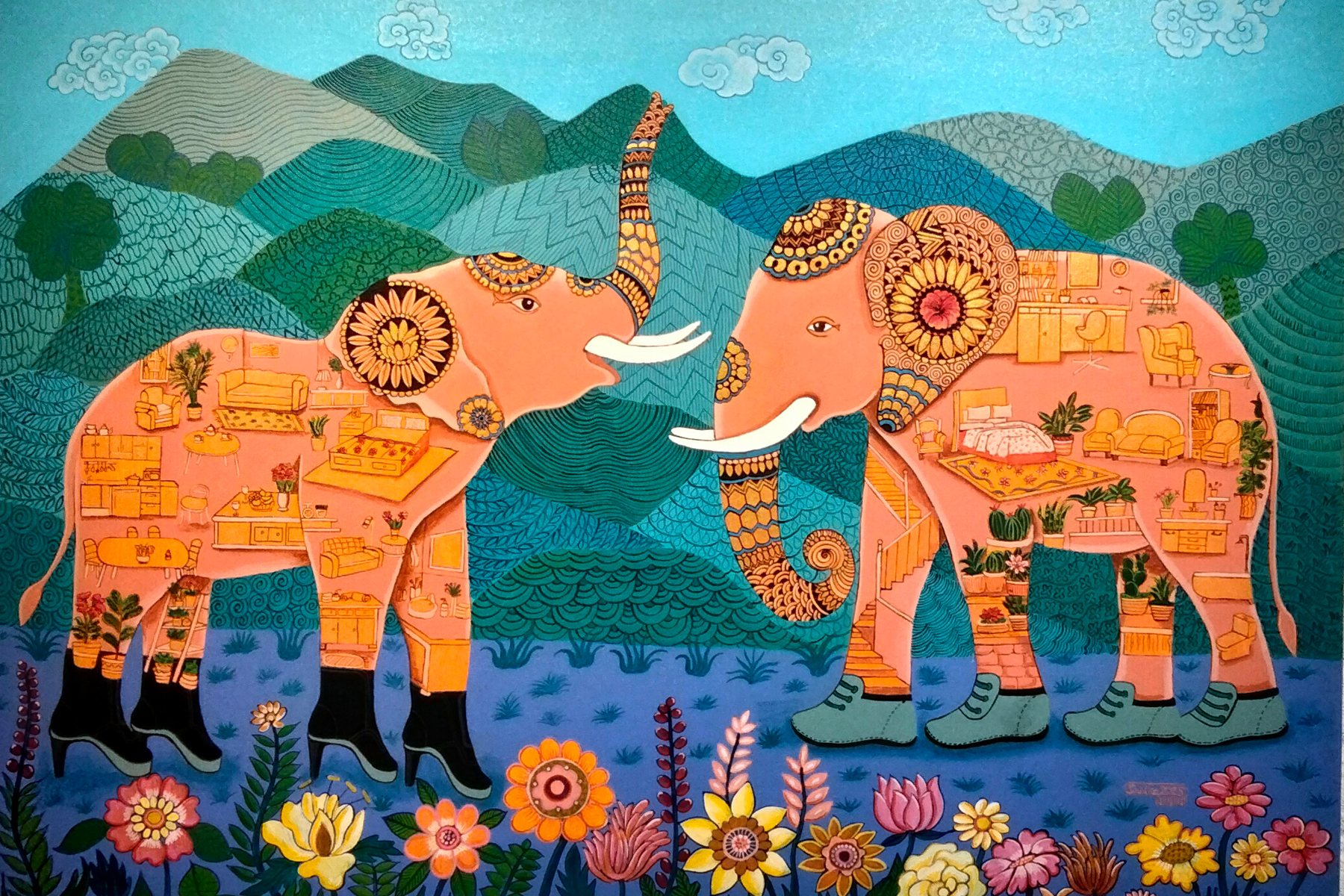
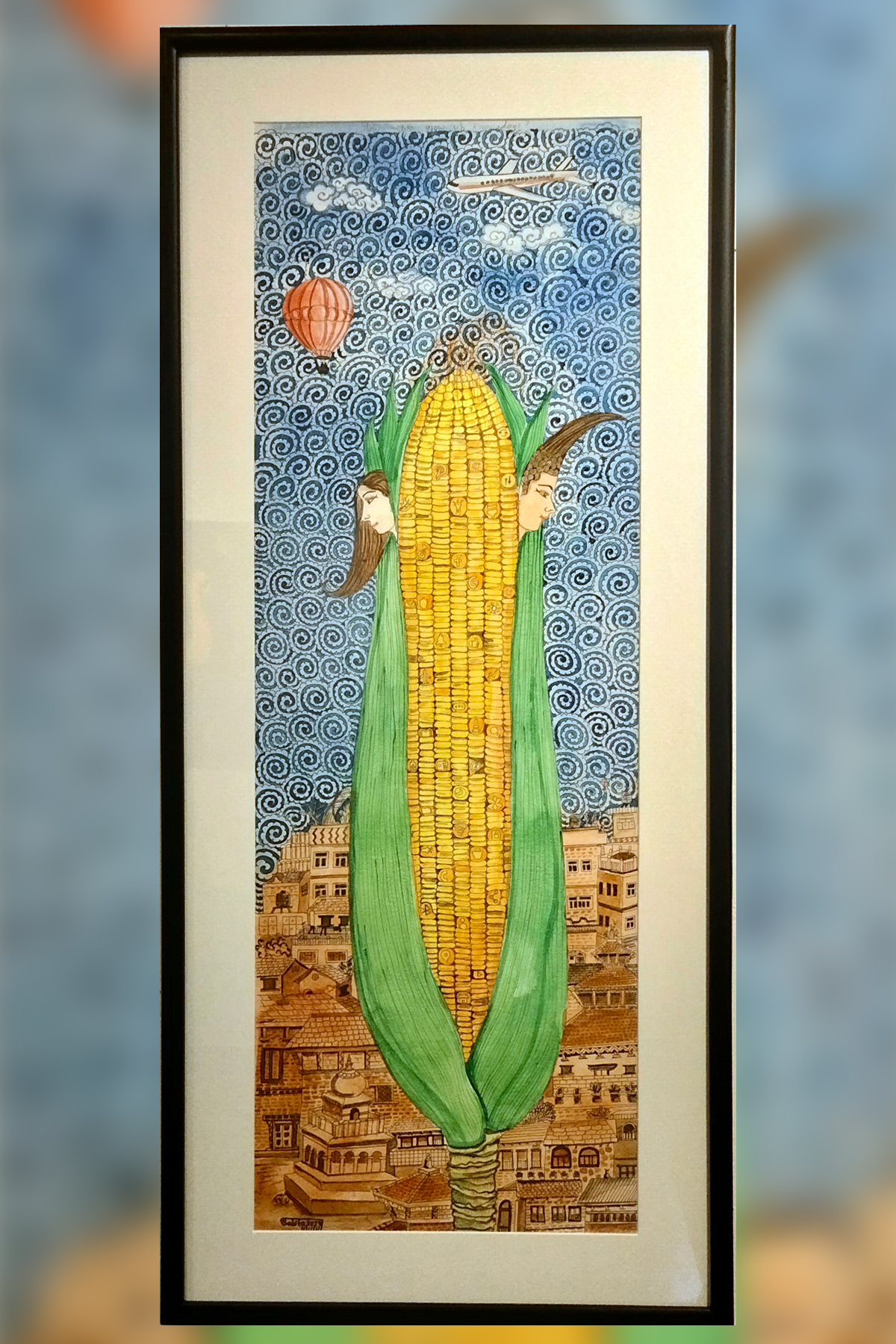
In her remarks, artist Sabita Dangol spoke with a quiet reverence, explaining how the gentle intelligence of nature has long been her greatest teacher. Her latest series gathers elephants, camels, horses, birds, and human forms into dreamlike terrains of trees, drifting clouds, and verdant expanses—visual metaphors for the unseen energies that harmonize life. She described the collection as “a prayer for connection,” a heartfelt offering meant to remind us of the fragile, radiant beauty we share with one another and with the world around us.
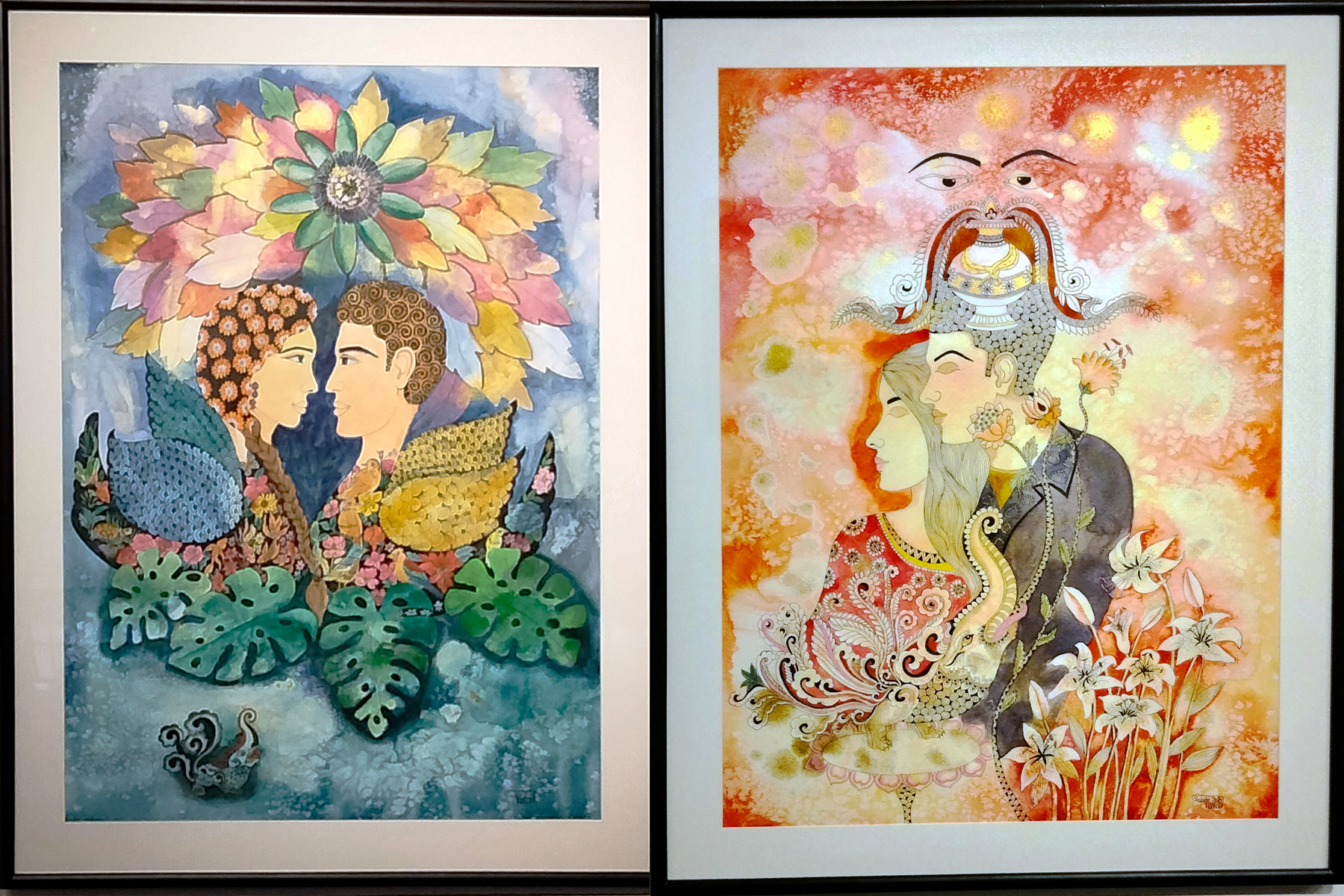
Her canvases erupt with vivid color, each stroke revealing the patience, time, and deep wandering that shape her creative journey. For years, Sabita’s art has circled around the themes of nature, love, and the tender spirit of togetherness, weaving them into a language unmistakably her own. Her patterns flow like soft murmurs of emotion; her compositions pulse with the raw intimacy one feels in moments of love- quiet, profound, and transformative. Through her artistry, she invites viewers not just to see, but to feel: the bonds that keep us human, the rhythms that keep us alive.

The harmony of colors in her paintings is nothing short of remarkable-each palette chosen with a sensitivity that elevates the emotion of the scene. The animals she portrays carry distinct auras, as if each creature holds its own world of stories. Though wild by nature, these paired animals are adorned with delicate high heels and elegant bags, subtle touches that transform them into whimsical symbols of tenderness and identity. And when one meets their eyes, there is an unmistakable softness—a sense that these beings exist in a quiet, enduring state of love.
Throughout the evening, guests wandered through Dangol’s meditative, symbolic, yet delightfully playful world. Her works weave together cultural memory, the gentle frictions of everyday existence, and the dreamlike beauty of imagination.
Aura of Togetherness continues until December 28, 2025, at Kathmandu Art Gallery—an open invitation for viewers to pause, reflect, and reconnect with the delicate harmonies, shared pathways, and intertwined lives that shape our collective environment.

Leave A Comment