



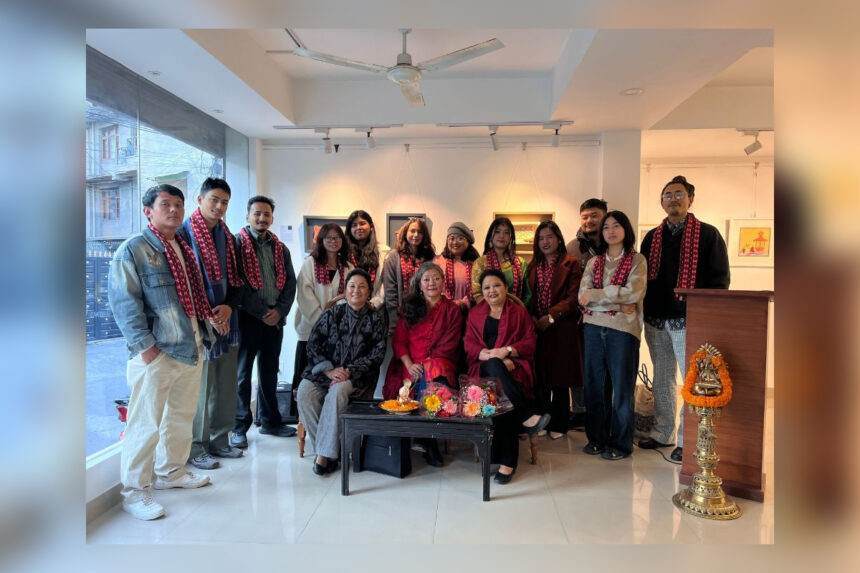
A quiet revolution is unfolding in Nepal’s art world, bridging the timeless guardianship of the Himalayas and the living echoes of urban alleyways. A new wave of young, introspective artists is rising—boldly confronting the unseen and reshaping conversations around identity, belonging, and emotion. Though diverse in style, their works share a common pulse: memory breathes on canvas, spirituality takes new form, and the human-nature bond is rendered with fresh sensitivity. Together, they weave a tapestry of transformation. Currently on view at Classic Gallery in Chyasal, Lalitpur, the exhibition “Heritage Re-imagined” captures this shift. Here, Nepal’s cultural legacy is filtered through a contemporary gaze—vibrant, questioning, and unmistakably now.
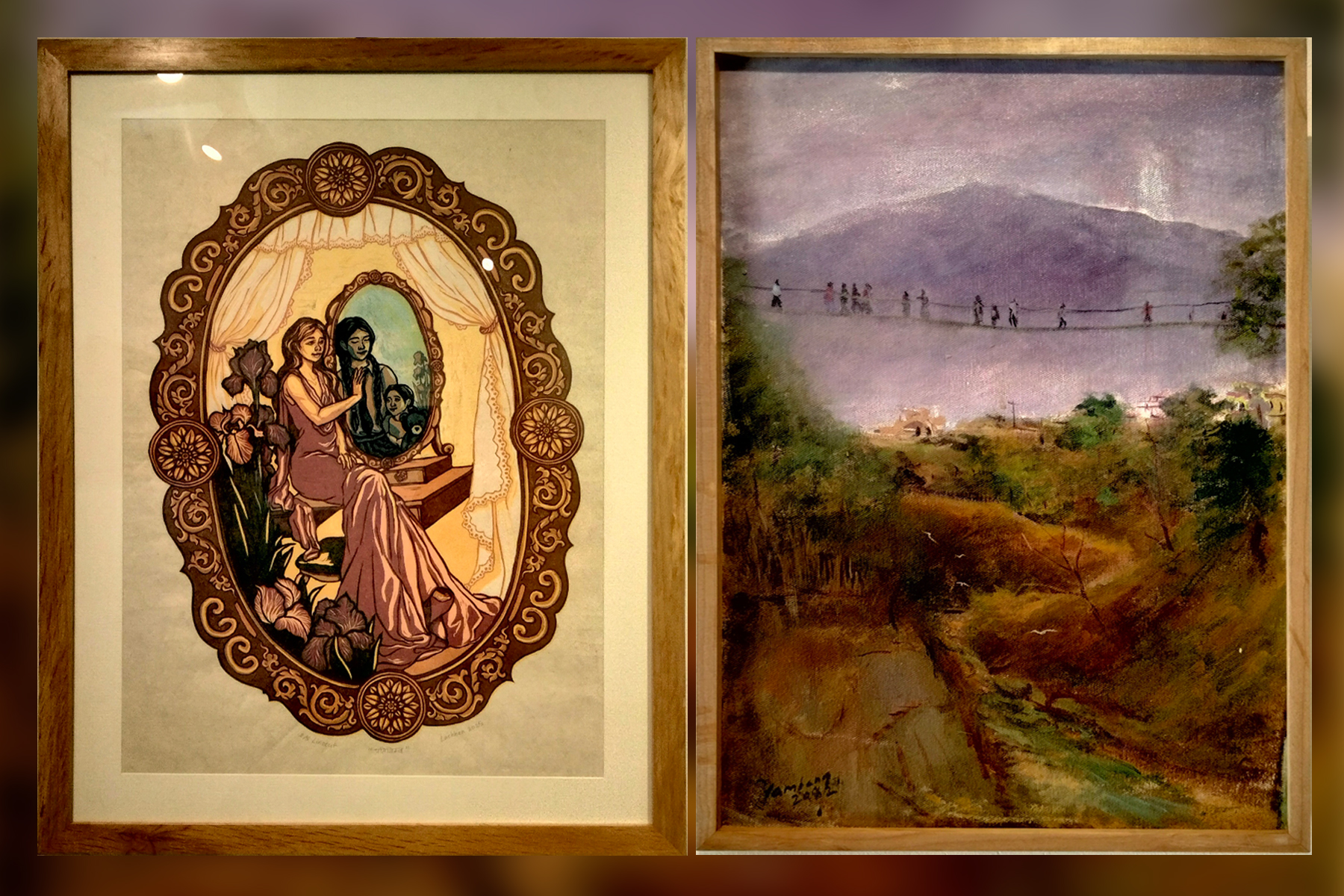
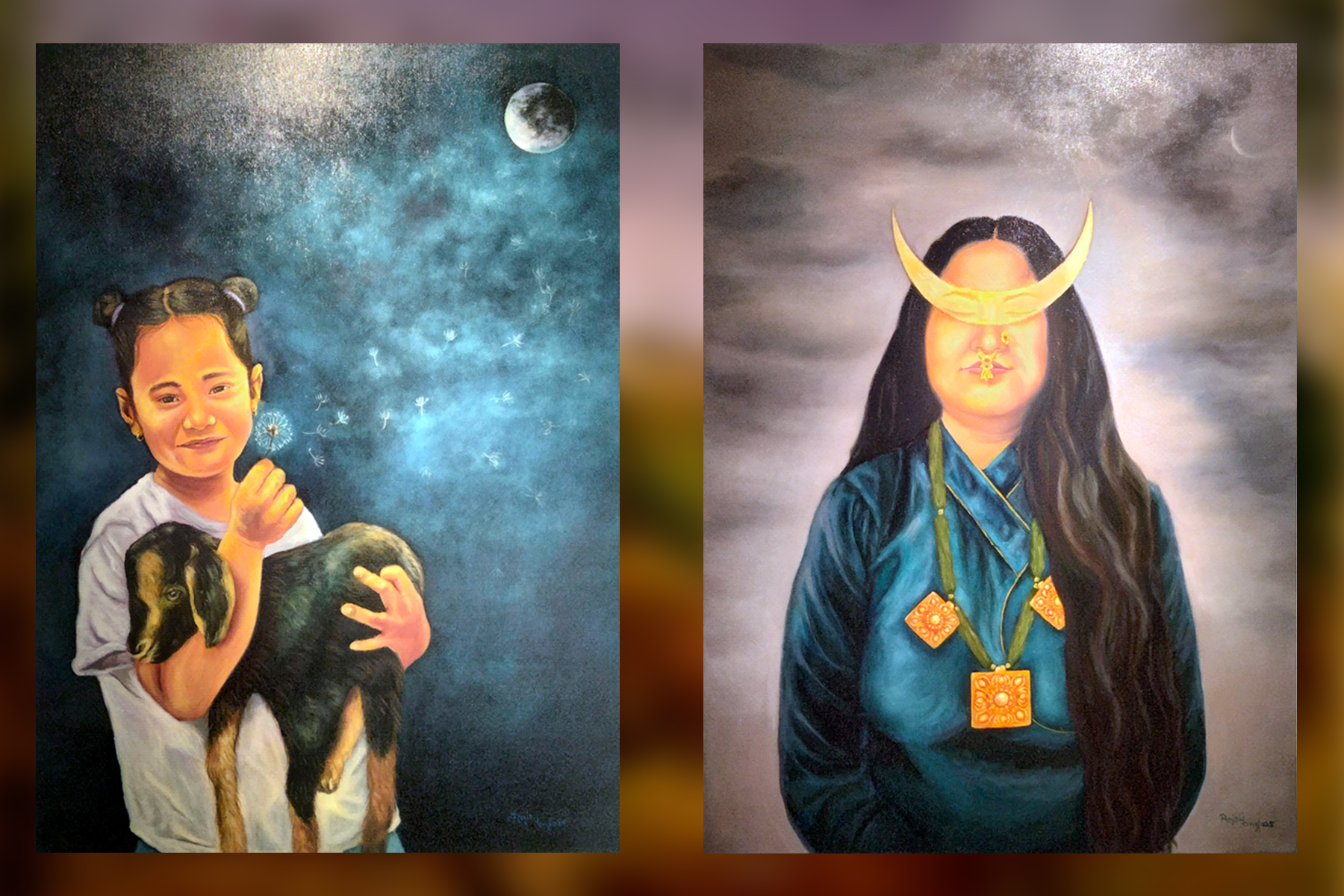
For Anjali Tamang, the canvas is a site of silent communion. In works like “Whispers of the Night Bloom,” a moonlit girl cradles a lamb, a scene of profound innocence against the drift of dandelion seeds—a metaphor for life’s fleeting beauty. Another piece, “Lunar Oracle,” turns the gaze inward, with a crescent moon veiling the subject’s eyes in a search for intuitive, inner sight. Tamang’s art explores the delicate balance between our vulnerable humanity and the vast, quiet wisdom of the cosmos. This psychological excavation is central to Lachhen Nyarten Tamang’s practice. He views art as a tool for unlocking the infinite potential dormant within, a process that demands courageously facing one’s past. His works are not designed to traumatize but to liberate, urging viewers to confront fragmented selves and repressed memories to achieve a state of evolved healing. For him, growth is a cyclical journey of reflection and renewal, mirrored in every brushstroke.
The Alchemists of Heritage and Home.
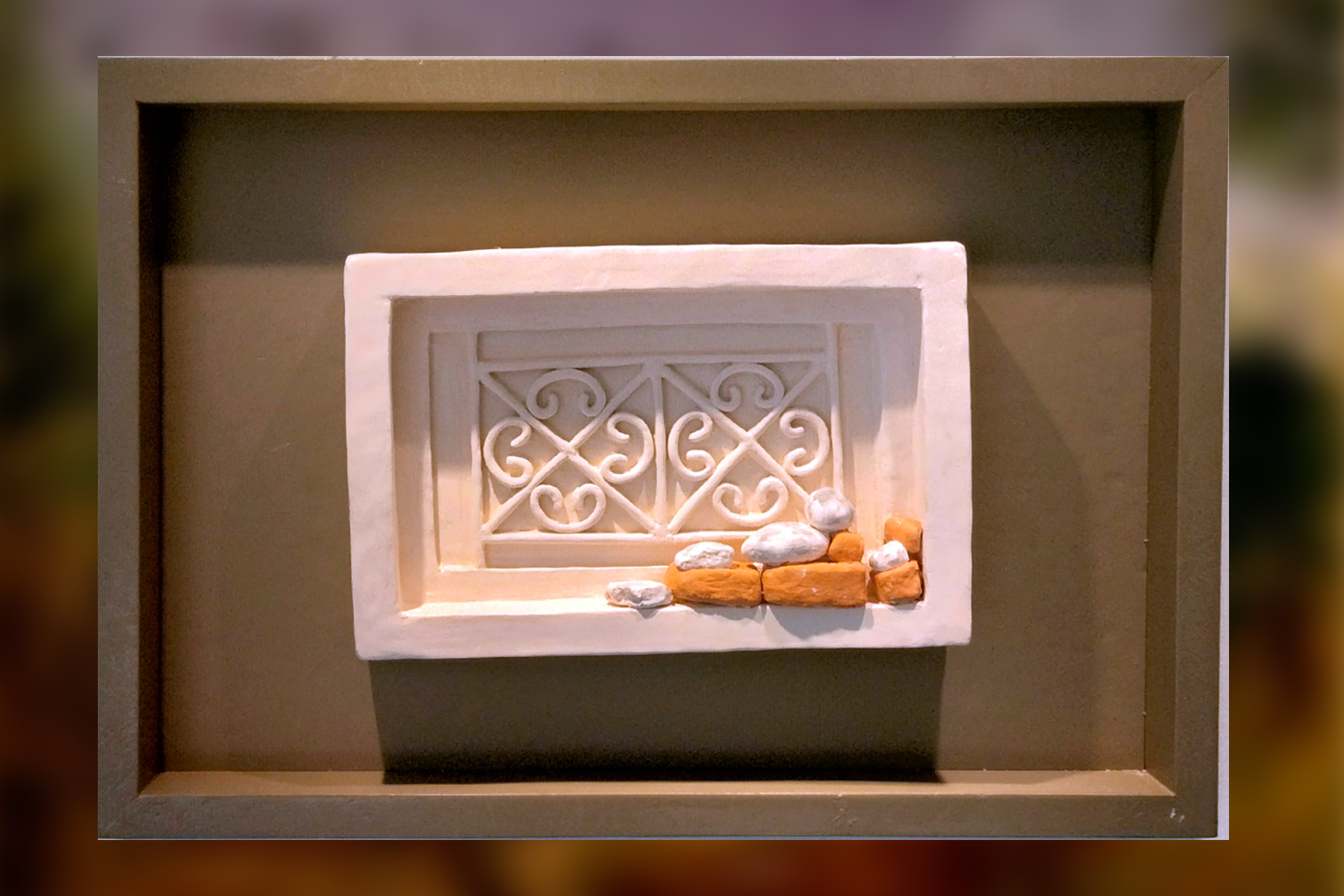
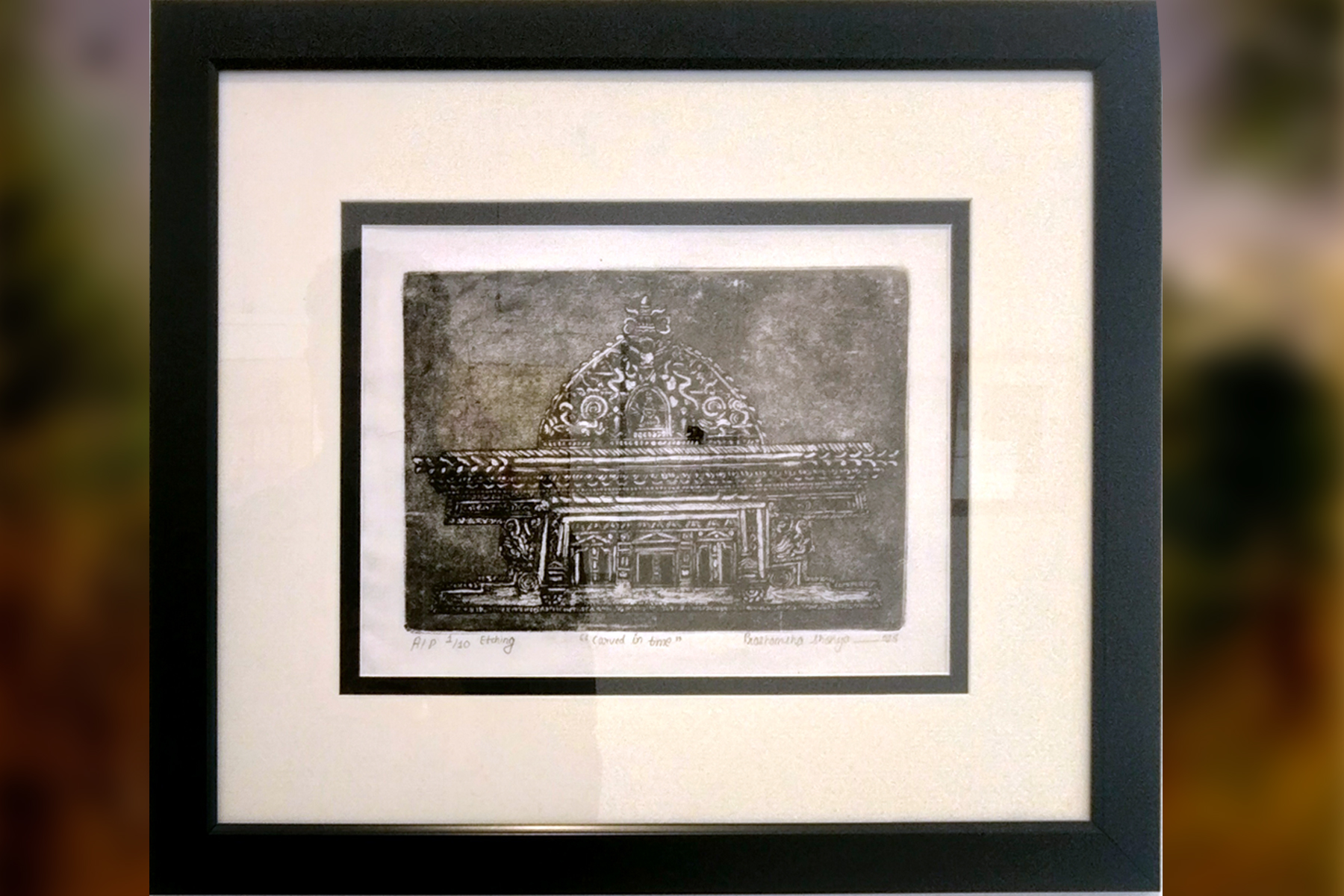
Other artists are re-engineering tradition for a contemporary gaze. Prashamsha Shakya, hailing from a lineage of Patan craftsmen, distills the essence of Nepali rituals and symbols into a minimalist visual language. She doesn’t replicate tradition; she refines it, transforming communal gatherings and spiritual spaces into subtle, potent impressions that bridge ancestral precision with modern clarity. Her work acts as both cultural archive and a mirror for our own evolving identities. Similarly, Preeti Duwal finds profound narrative in the most humble material: clay. Her sculptures contemplate the “leftover” spaces of a home—corners, shelves, nooks—and their slow transformation into places of emotional weight. In her hands, clay becomes a metaphor for lived time, documenting the silent, poetic labor of domestic life and the emotional geography created by those who inhabit it.
This generation excels at finding resonance in what society dismisses. Rojiya Rai embraces darkness not as an absence, but as a fertile ground for resilience and softness. Her work seeks the gentle glow hidden within shadows, finding beauty in melancholy and hope in difficult passages, reminding us that the darkest chapters hold essential stories.
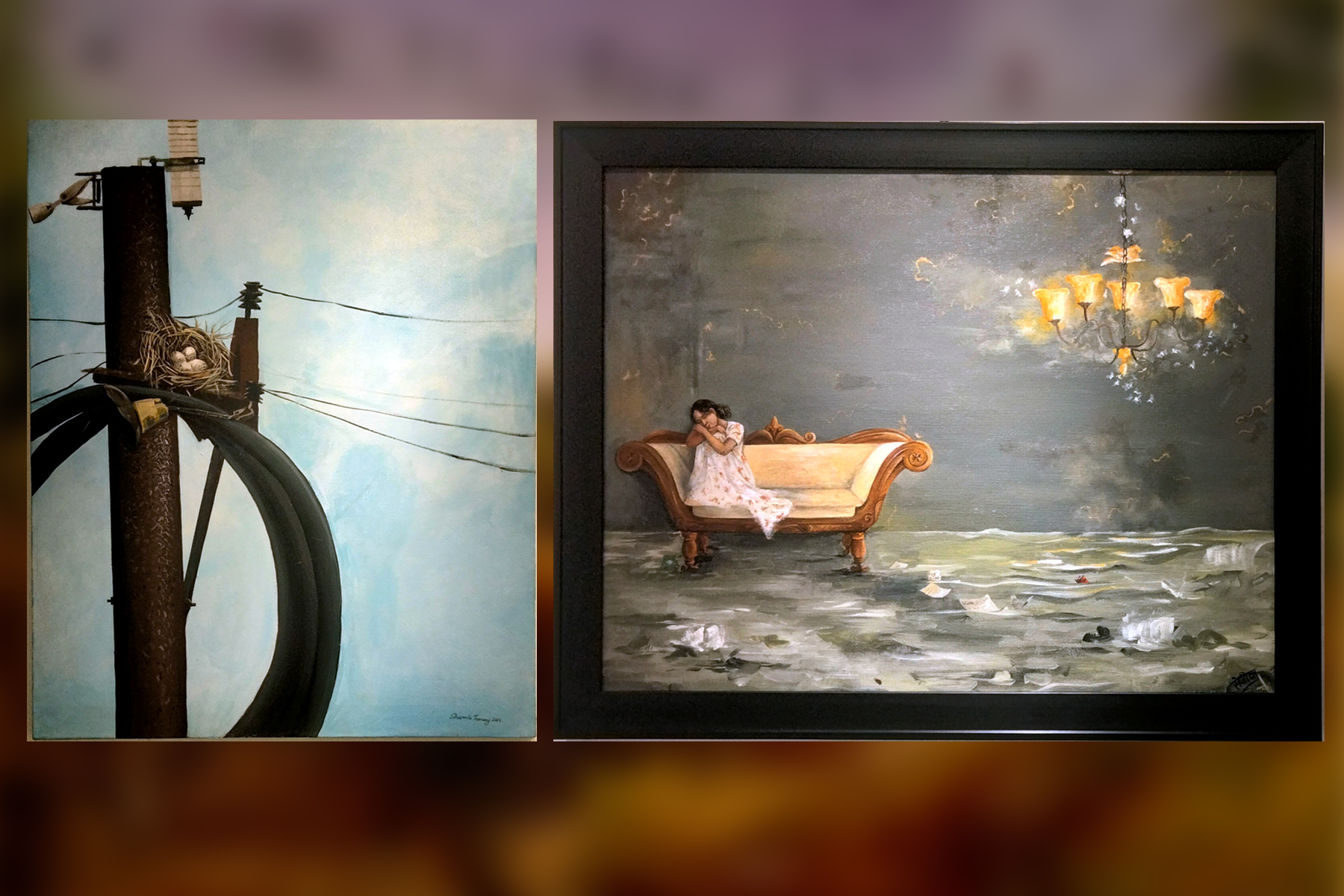
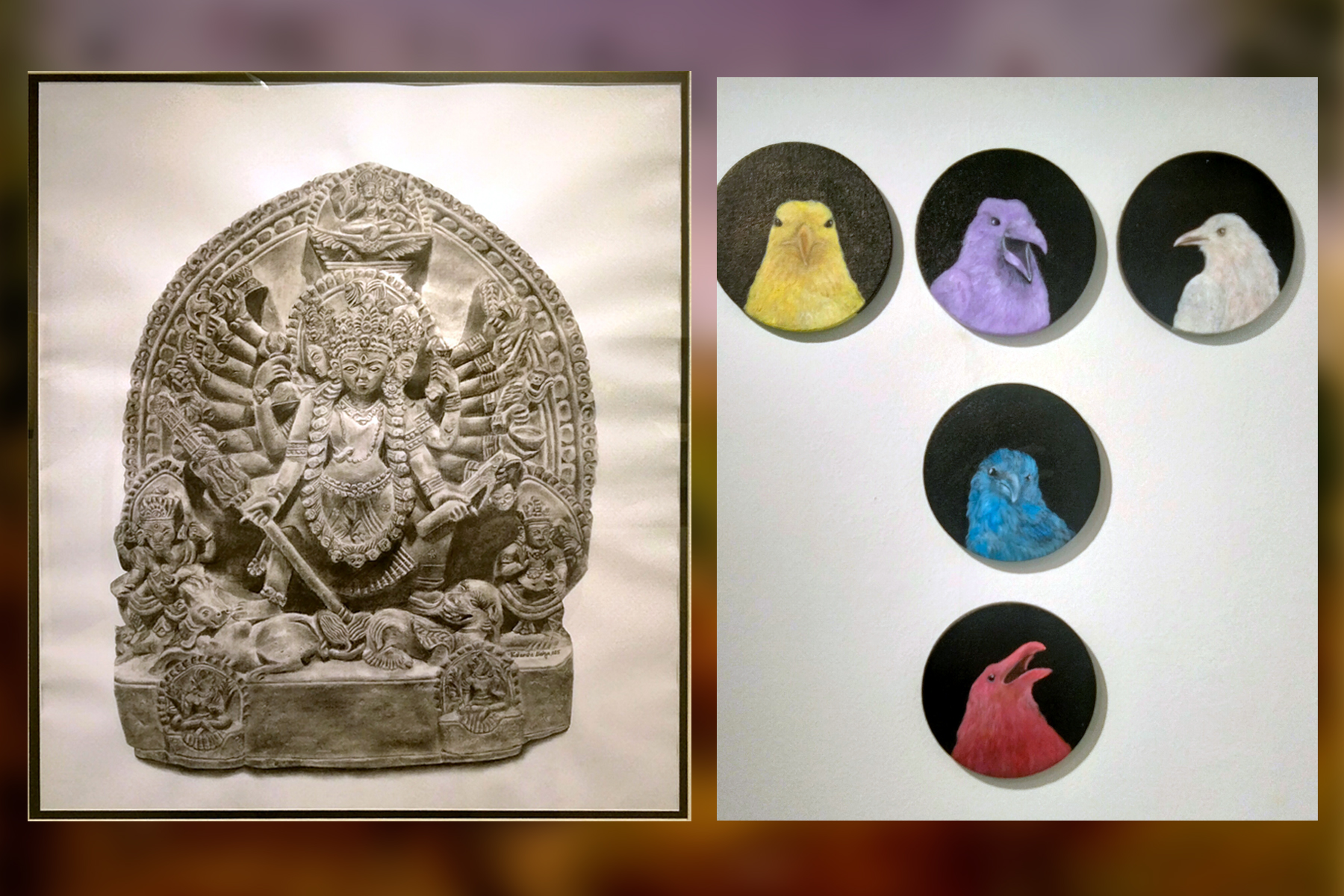
Sarina Lamichhane turns an ear to the maligned. In her emerging multimedia work, the raucous call of the crow is not noise but primary material—a raw, cultural soundtrack. By blending this soundscape with traditional instruments, she repositions the crow as messenger and urban companion, challenging us to consider what we intentionally ignore in our environment. This theme of resilient coexistence is visualized by Sharmila Devi Tamang, who paints birds adapting to the fractured ecology of cities, nesting on electrical poles and concrete ledges. Her work highlights a quiet dignity in adaptation, urging a deeper appreciation for urban biodiversity.
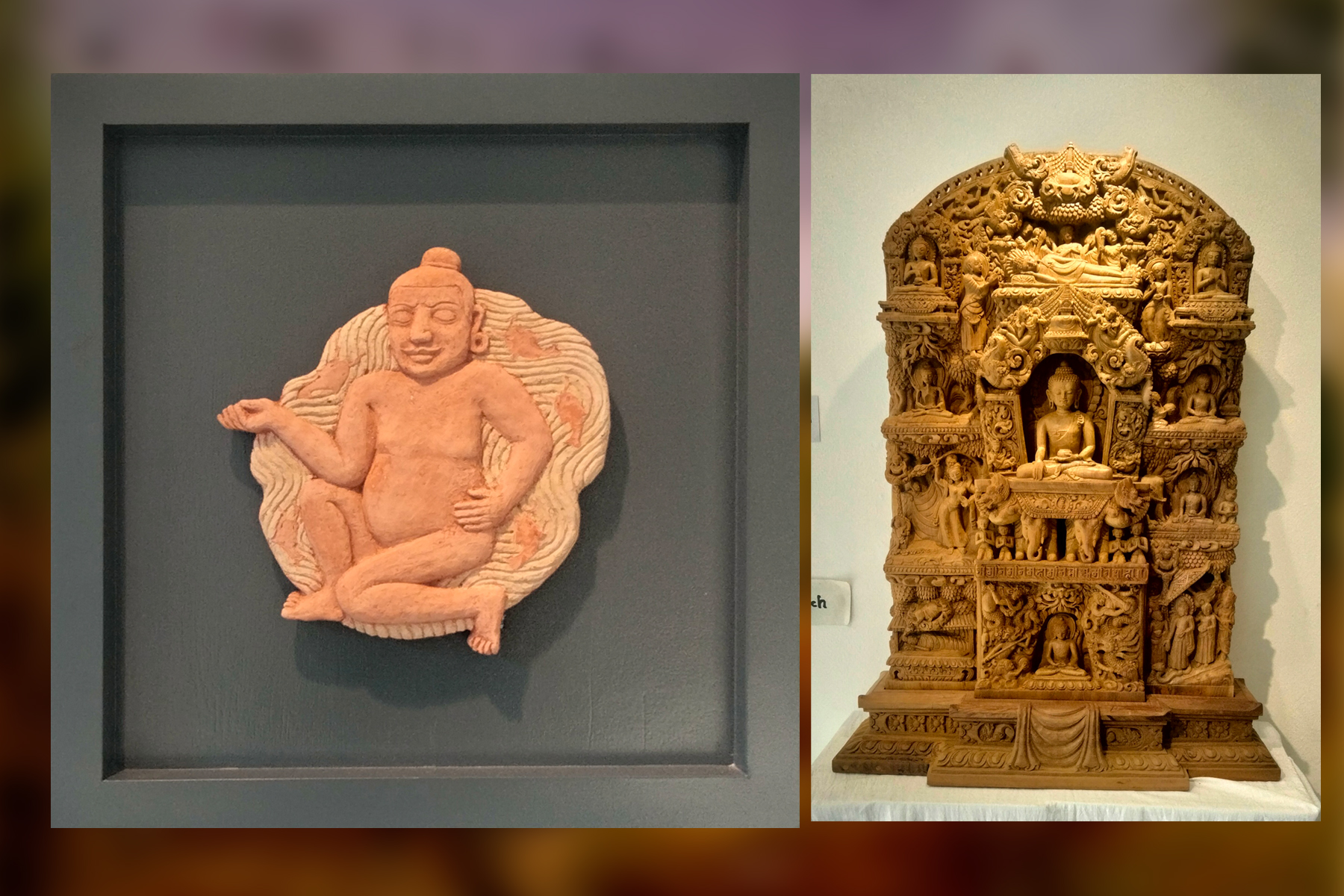
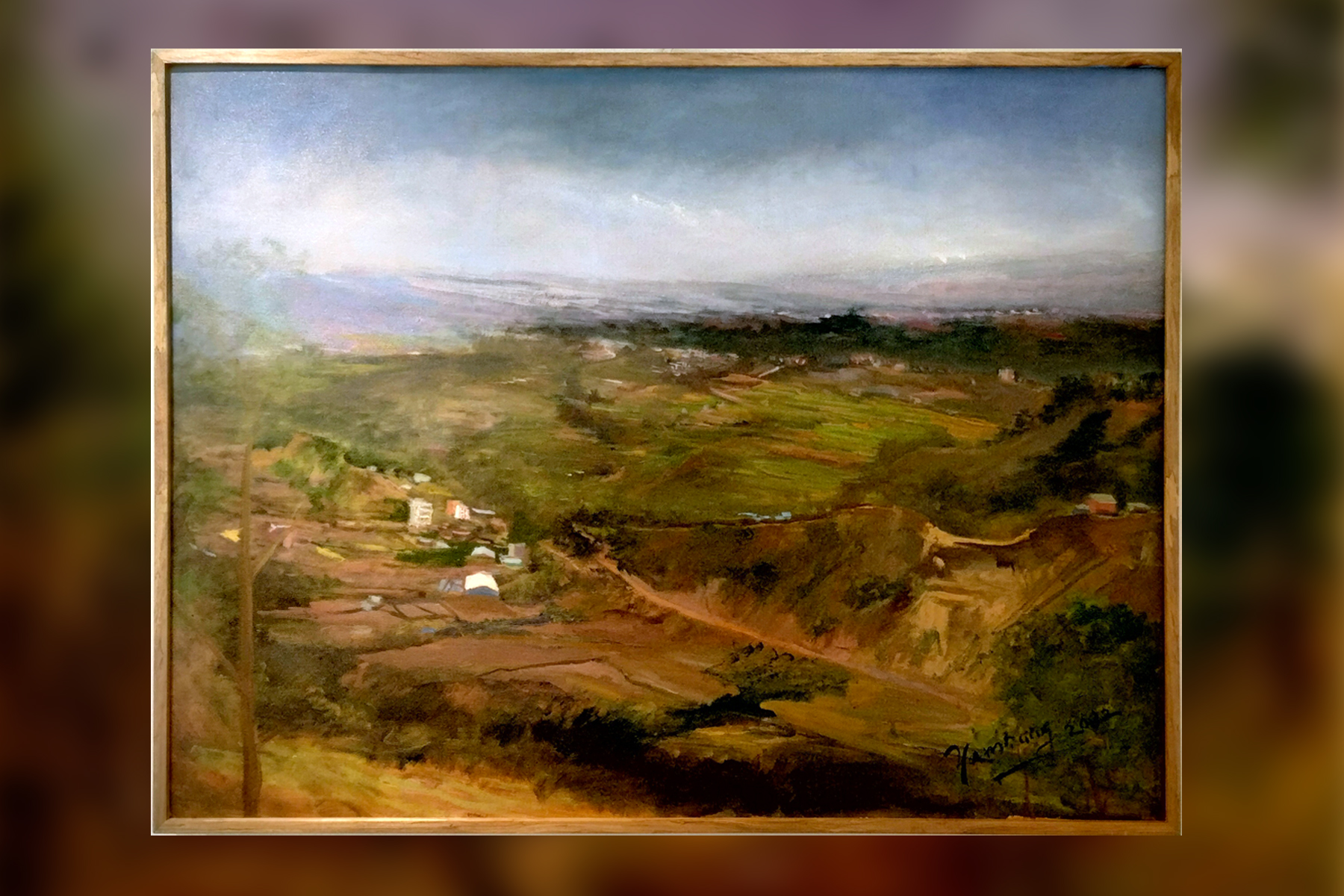
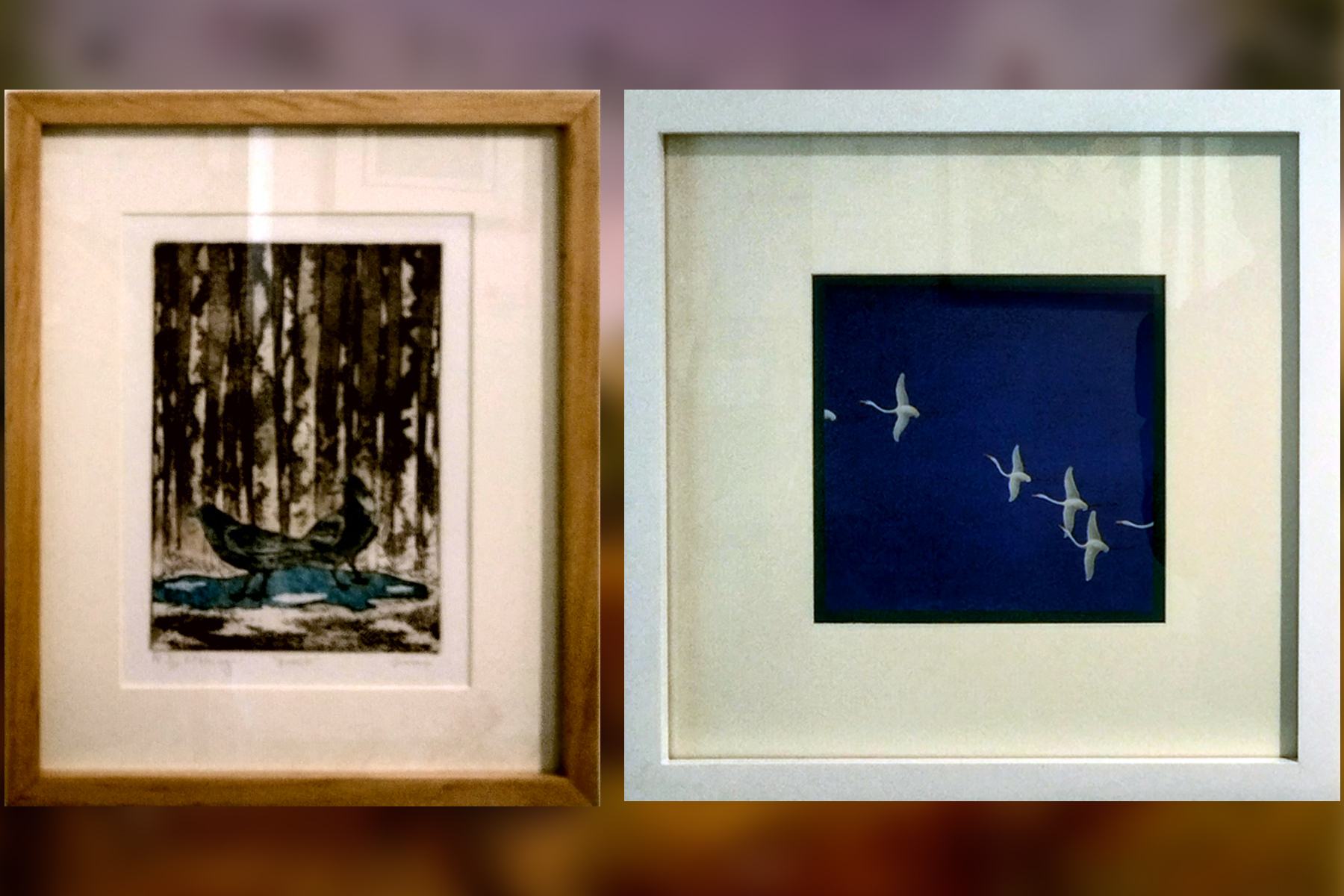
A deep, ecological lament underpins the work of Shrayam Shakya. His practice is rooted in oral histories of landscapes now buried under urban sprawl. Through the mythical Yaksha—a guardian spirit of groundwater—he merges ancestral land with folklore, becoming a storyteller for lost ponds, fields, and foxes, reclaiming in pigment what survives only in collective memory. Yambang Thapa Magar also chronicles the land, but through immediacy. Painting in plein air in the hills of the Kathmandu Valley, he captures the fleeting atmospheric moods—a cloudy morning, the clear aftermath of a midnight rain—recording not just a landscape’s transformation, but his own dynamic dialogue with it.
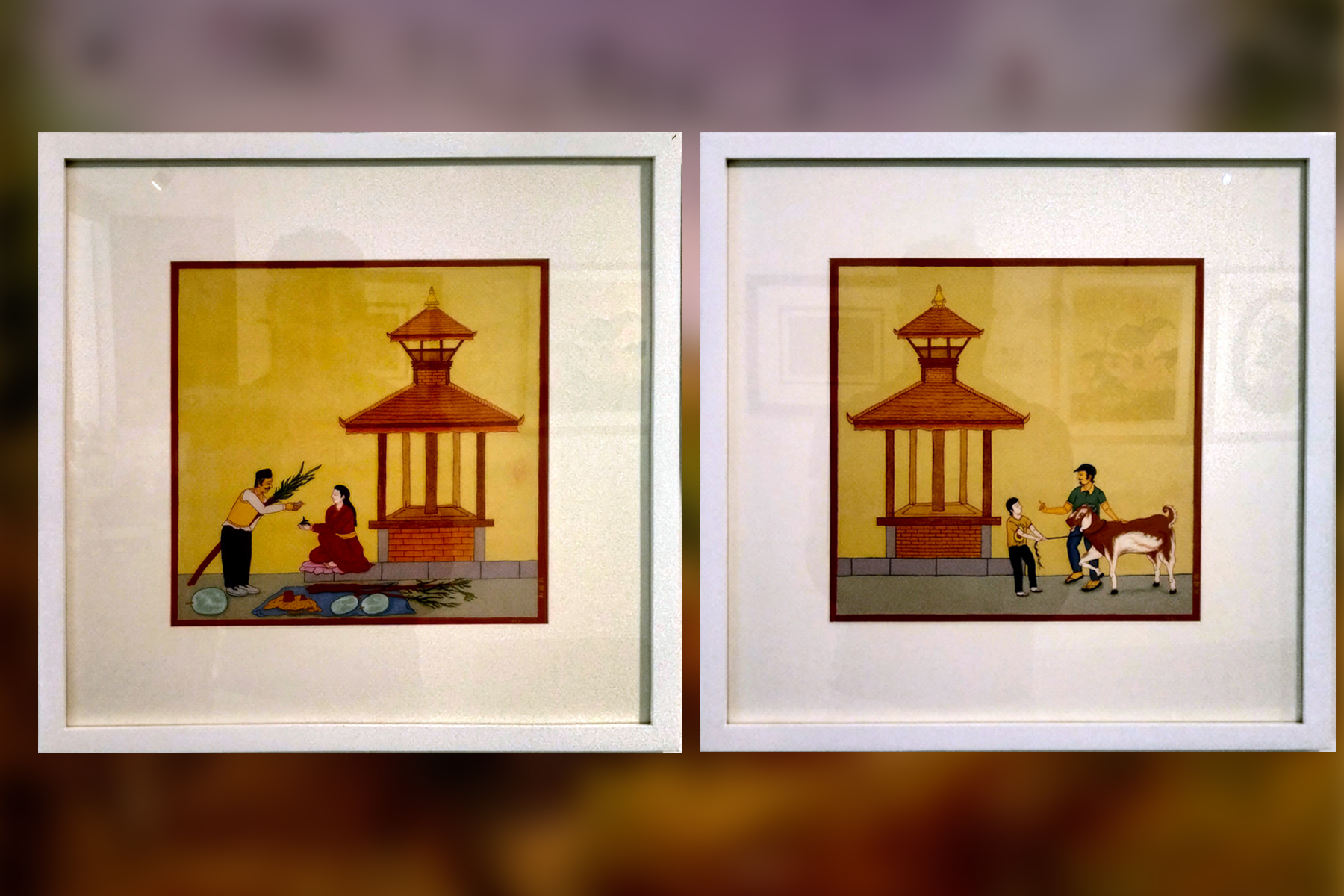
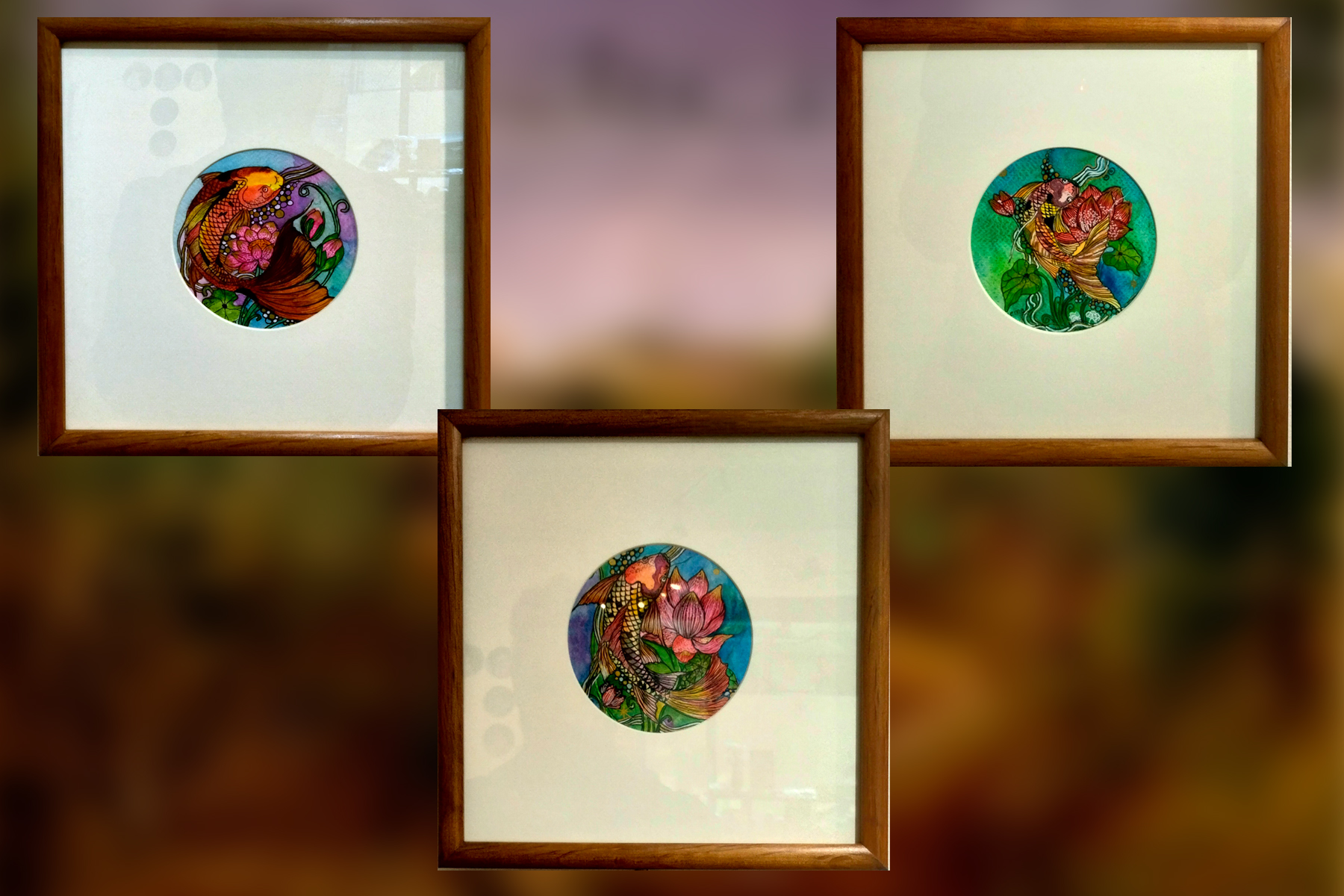
For many, the artistic process is a vessel for personal pilgrimage. David Maharjan uses experimental watercolors to navigate “hazy recollections” of the cities that shaped him. His belief that “everything matters” transforms life itself into material, inviting viewers into their own journeys of introspection. Kabir Kayastha paints the festival of Dashain not as spectacle, but as the living, breathing memory of Bhaktapur’s streets—a vibrant tapestry of community and continuity. Moulik Limbu captures the tender ache of nostalgia, where memories are like birds migrating eastward, beautiful and impossible to hold. Karima Joshi creates serene sanctuaries on paper, using gold ink and fluid washes to meditate on inner radiance and balance. Her art work diptych features paintings that create immersive underwater worlds with koi fish and lotus blossoms. One of the paintings uses deep, dreamy colors for a mysterious effect, while another one is brighter, using emerald and turquoise to highlight gold and crimson details. Joshi explains the circle acts as a “porthole” into a complete, serene ecosystem. United by exquisite detail and balanced color, the works offer a contemplative study of harmony in nature.
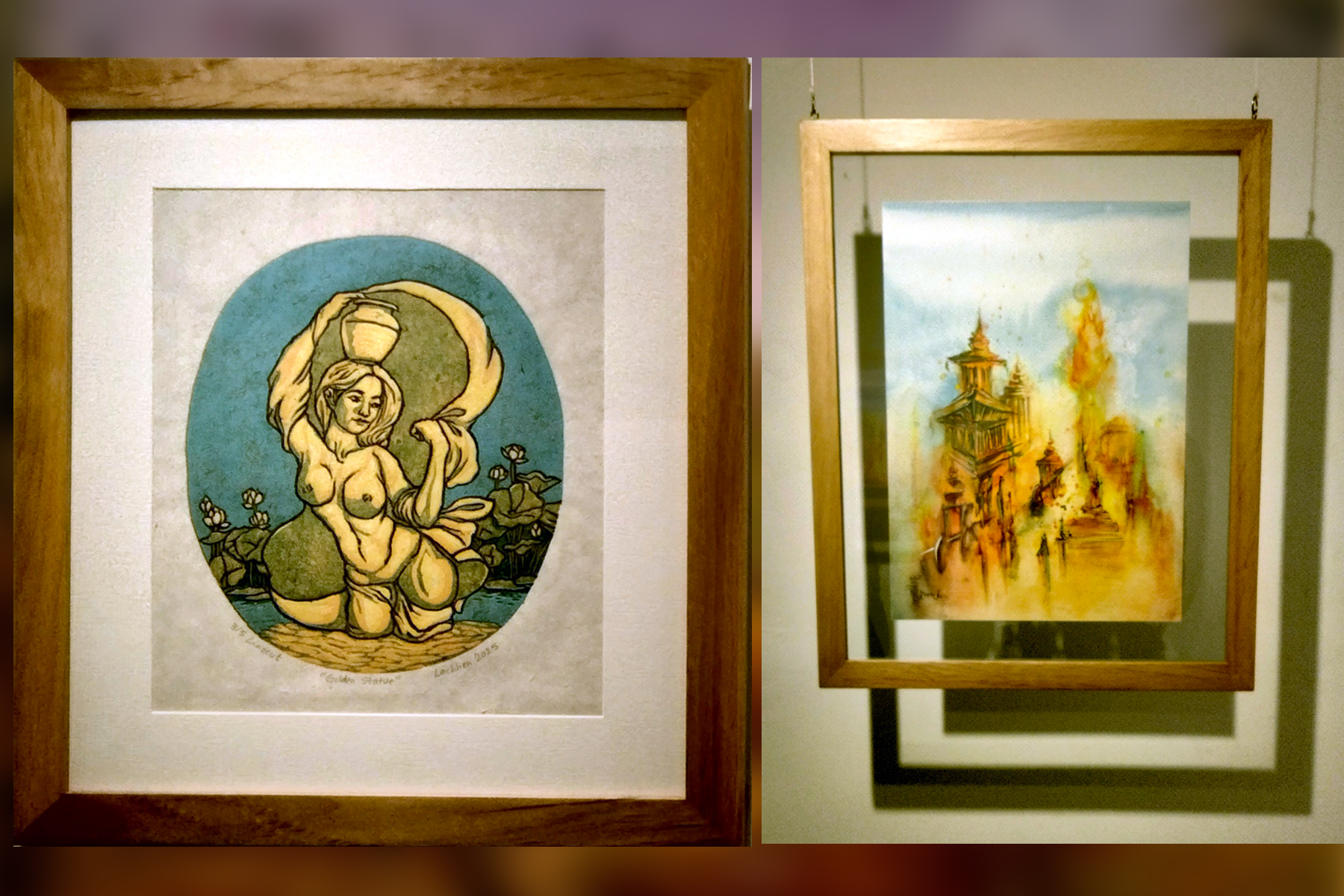
Meanwhile, Suresh Lawot Tuladhar returns to ancient narrative through carving, depicting scenes from the Buddha’s life to highlight timeless moments of transformation. Together, these artists form a compelling new tapestry of Nepali art. They are united not by a single style, but by a shared commitment to deep observation—of the self, of society, and of the fragile world between. In their hands, darkness softens, memory becomes topography, tradition enters a vital dialogue, and even a crow’s cry transforms into a complex music. Their collective voice announces a mature and introspective chapter, firmly rooted in the rich soil of heritage while fearlessly exploring the vast landscapes within.

Leave A Comment