


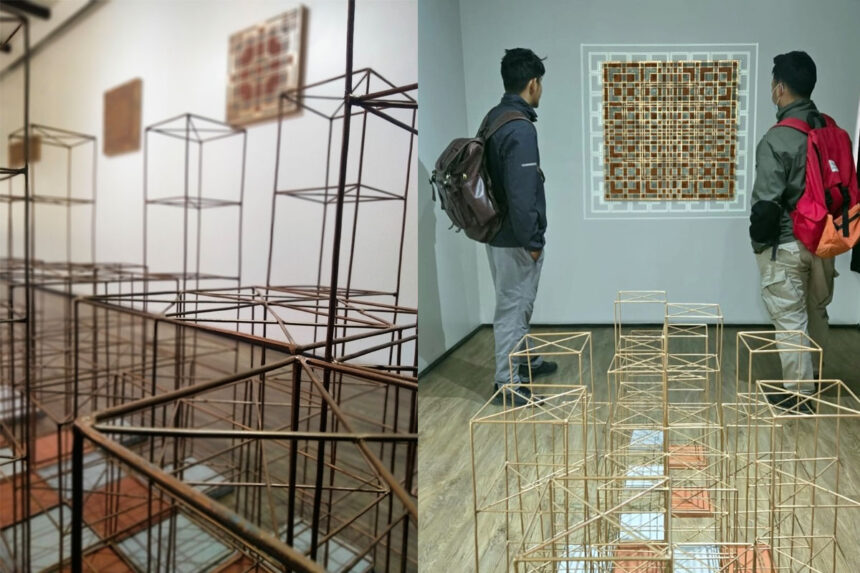
Have you ever pondered the path to the divine, and how the ancient Mandala could be re-imagined through modern geometric shapes? At their core, both Mandalas and geometric forms carry a similar, profound message—an invitation to connect with something greater. Mandalas, originally created as a means of worship, represent the journey toward the divine. Through chanting, incantations, and the meditative act of gazing into their intricate patterns, one could transcend the physical and touch the spiritual. The timeless essence of the Mandala speaks to us across the ages, guiding us toward a deeper understanding of ourselves and the universe.
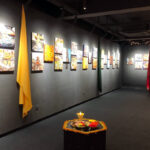
In today’s world, the sacred essence of Mandalas has been lost to many in the younger generation, who now see them merely as decorative art pieces for walls, stripped of their deeper spiritual significance. However, there is a glimmer of hope in the work of young visual artist Siddhartha Shakya. His exhibition, currently on display at Dalai-La Art Space in Thamel, invites us to rediscover the true essence of Mandalas. From March 7th, Siddhartha’s art offers a fresh perspective, breathing new life into this ancient form, urging us to look beyond the surface and reconnect with its profound spiritual roots.
He refers to the drawings he creates as a contemporary form of the Mandala, a re-imagining that blends the ancient with the modern. Yet, he emphasizes that these pieces should not be seen as mere reinterpretations, but rather as a fresh evolution of the Mandala itself—an invitation to explore the timeless spiritual energy through a new lens, one that speaks to the present while honoring the past.
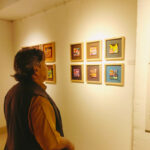
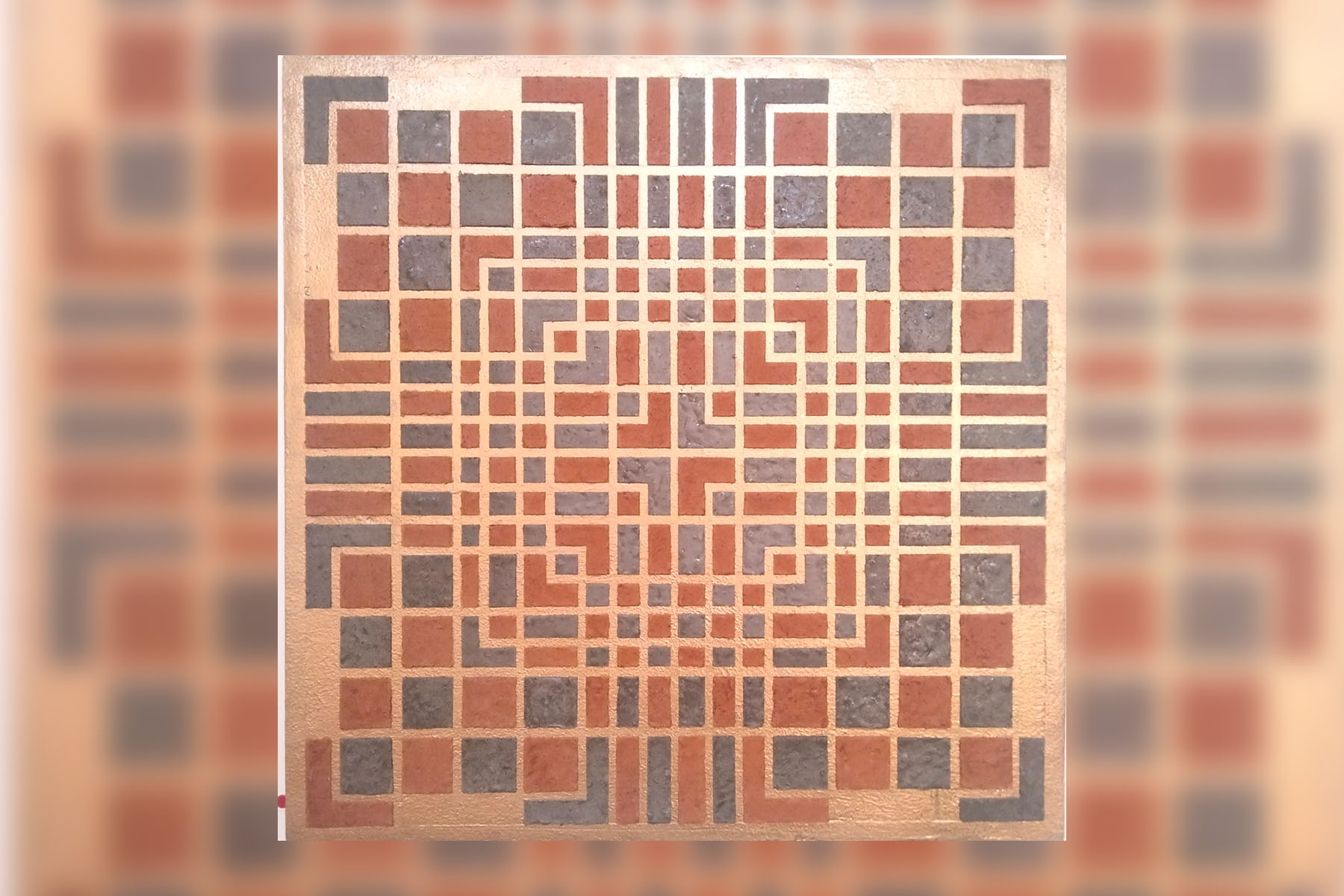
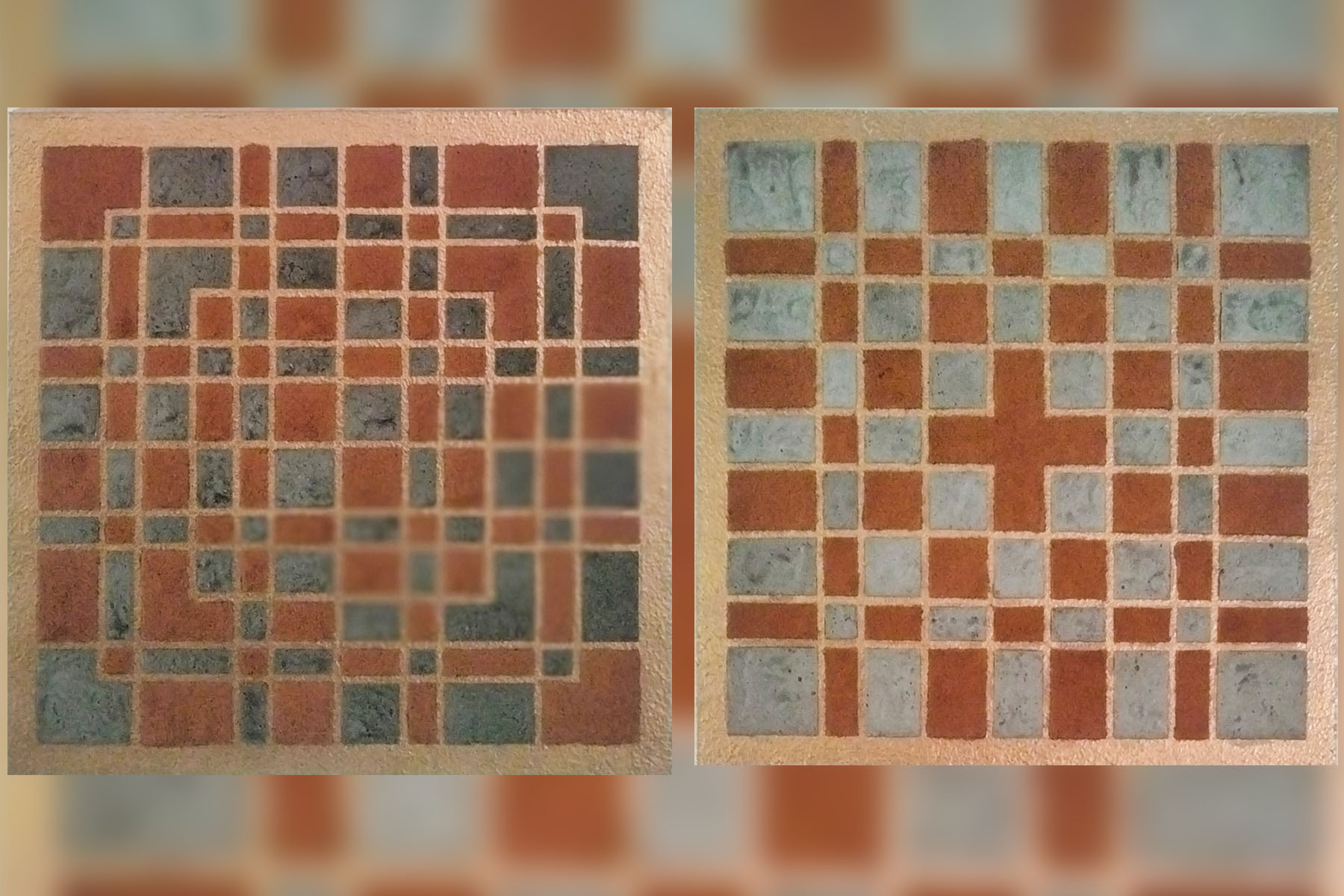
Crafted on a wooden block, this piece features intricate shapes of Mandalas, brought to life through a delicate blend of cement and wood dust, all vibrantly enriched with acrylic colors. From a distance, the artwork might evoke the precision of an architectural blueprint, its sharp lines and geometric forms drawing comparisons to the work of an architect. But as your gaze draws closer, a transformation occurs—what seemed like a mere design slowly unfolds into the deep, meditative essence of the Mandala. Each line, each curve, invites you to pause, breathe, and lose yourself in its sacred rhythm.
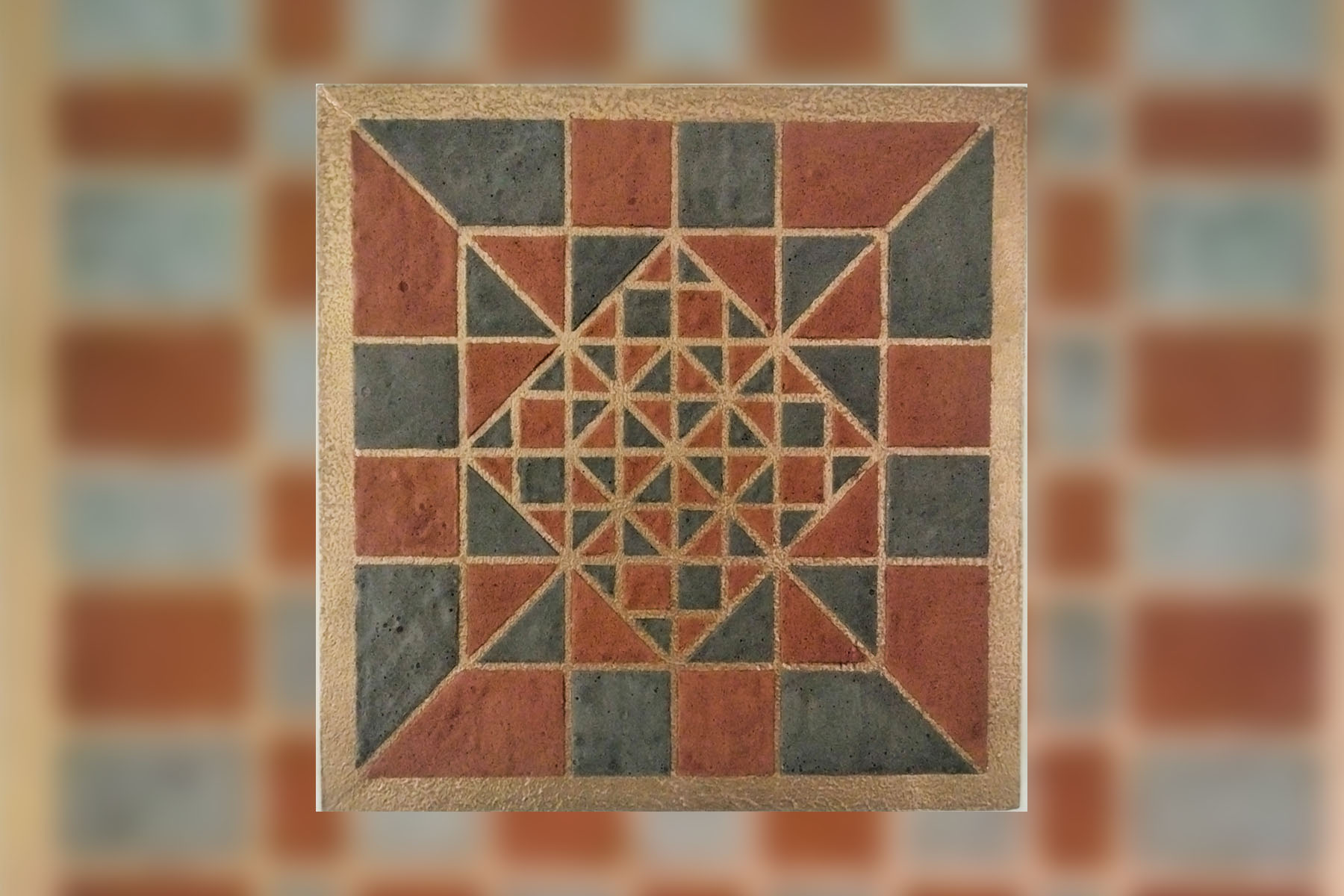
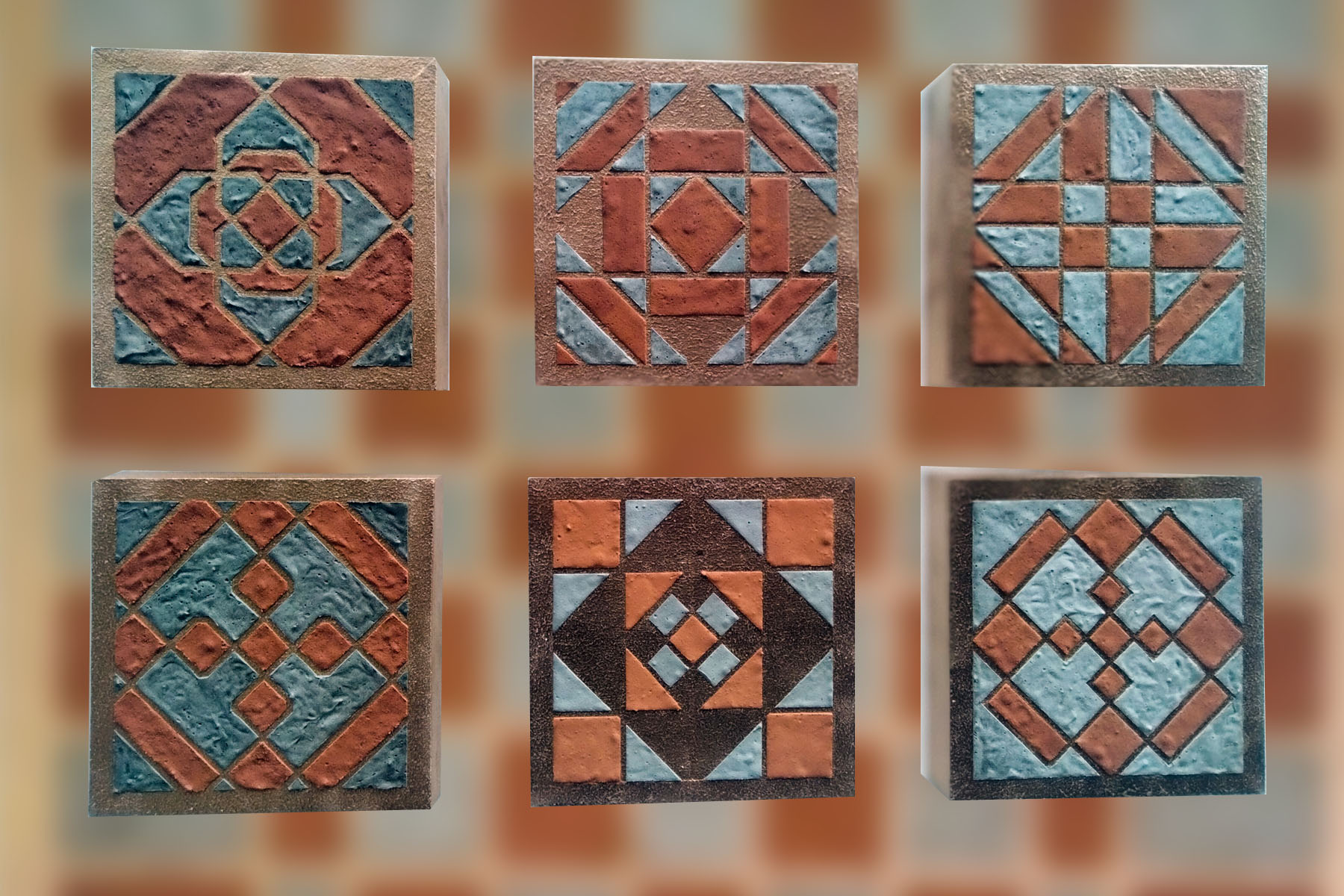
Experimental artworks like these are becoming increasingly prevalent among Nepal’s emerging artists, reflecting a bold new direction in the artistic landscape. The color patches used in these pieces—shades of gray, brick red, and gold—are masterfully blended to create a harmonious flow of color. Each hue is carefully placed, contributing to an overall synchronized pattern that feels both modern and timeless. Most of these works are framed in square or rectangular shapes, their clean lines and balanced compositions drawing the viewer in, inviting them to explore the depths of each piece. It’s a stunning fusion of tradition and innovation, where color, form, and meaning beautifully converge.
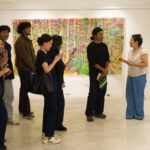
One of the visitors at the gallery, Prem Ghimire, shared his thoughts with a sense of wonder: “I was accustomed to seeing artworks on canvas, but these pieces are something truly unique. The bubbles and rough edges within the art themselves add an unexpected beauty. They give the pieces a raw, organic quality that feels so alive, as if the artwork is speaking directly to me, inviting me to look closer and see more than just the surface.”
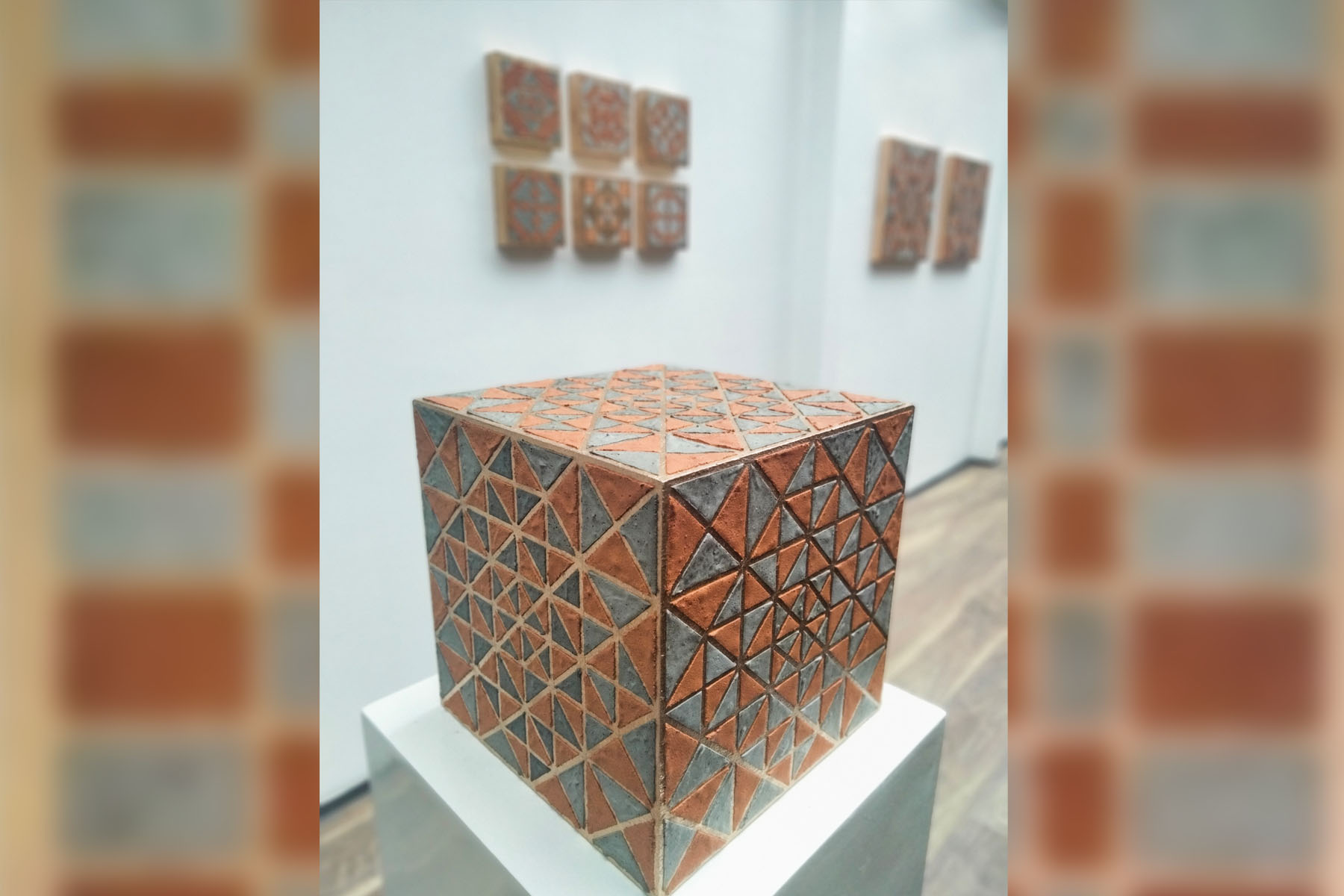
In a striking parallel, artist Shakya has created an installation that mirrors the very essence of the Mandala. The rods are meticulously welded together in perfect symmetry, embodying the intricate design of a Mandala in physical form. At first glance, especially if you’re not familiar with such art, you might find yourself thinking the rods resemble those used in the reconstruction of an old building, as if they are part of a grand architectural revival. But upon closer inspection, you’ll realize that this is not about rebuilding a structure—it’s about constructing something entirely new, something deeply spiritual. Dalai-La Art Space is the place where this transformation happens, and it is a space you must experience firsthand, where the physical and the spiritual blend together in a way words cannot fully capture.
If you’re fortunate enough, you might just have the rare opportunity to engage with the artist himself, delving into the depths of his creative vision and the stories behind his works. It’s a chance to hear firsthand about the inspiration and concepts that breathe life into each piece, making the experience even more personal and meaningful.

Leave A Comment